

For decades, the Indian beauty market was dominated by a single narrative: "fairness." We grew up seeing advertisements promising lighter skin in weeks. However, the conversation has finally shifted. Today, the goal isn't to change your natural skin tone but to achieve a healthy, even-toned radiance.
If you have been battling stubborn dark spots, melasma, or an uneven complexion caused by the harsh Indian sun and pollution, a heavy cream might not be the answer. It is time to introduce a high-performance anti pigmentation serum into your routine. Here is why this potent skincare hero is the upgrade your vanity kit needs.
The Science: Why Indian Skin is Prone to Pigmentation
Indian skin is rich in melanin, which offers great natural protection against UV rays and slows down aging. However, this same melanin makes our skin highly reactive. When our skin is inflamed due to acne, sun exposure, or hormonal changes, the melanocytes go into overdrive, leading to:
- Post-Inflammatory Hyperpigmentation (PIH): Dark marks left behind after acne heals.
- Melasma: Brown or greyish patches often triggered by hormones or sun.
- Sun Spots: Damage from the high UV index in India.
While a generic cream sits on the surface, these issues happen deep within the dermal layers.
Serums vs. Creams: The Deep Dive
Why switch from a fairness cream to a face pigmentation serum? The answer lies in molecular weight and concentration.
1. Concentration of Actives
Creams are often made up of fillers, thickeners, and moisturizing agents, with a small percentage of active ingredients. In contrast, a serum is a concentrated formulation designed to deliver a high dose of actives (like Vitamin C, Niacinamide, or Alpha Arbutin) directly to the target area.
2. Depth of Penetration
Because serums have a smaller molecular structure, they penetrate deeper into the epidermis than thick creams. This allows them to target the root cause of melanin overproduction rather than just bleaching the surface.
Key Ingredients to Look For
When shopping for a serum for pigmentation, look for these powerhouse ingredients:
- Niacinamide: A form of Vitamin B3 that inhibits melanosome transfer (stopping pigment from surfacing). A niacinamide serum pigmentation treatment also strengthens the skin barrier.
- Vitamin C: An antioxidant that brightens skin and fights free radical damage.
- Alpha Arbutin: A gentle skin brightener that reduces dark spots without the irritation of hydroquinone.
How to Layer Your Skincare for Maximum Glow
To get the most out of your dark spot serum, you need to apply it in the correct order. Here is a simple routine optimized for Indian weather:
- Cleanse: Remove pollution and oil with a gentle cleanser.
- Treat: Apply 2-3 drops of your skin brightening serum or hyperpigmentation serum. Pat it gently into the skin; do not rub.
- Hydrate: Even if you have oily skin, hydration is key. If your skin feels tight after treatment, follow up with a specific moisturizer for dry skin to lock in the actives.
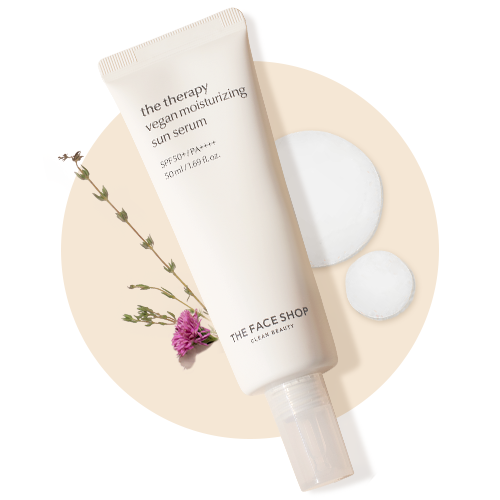
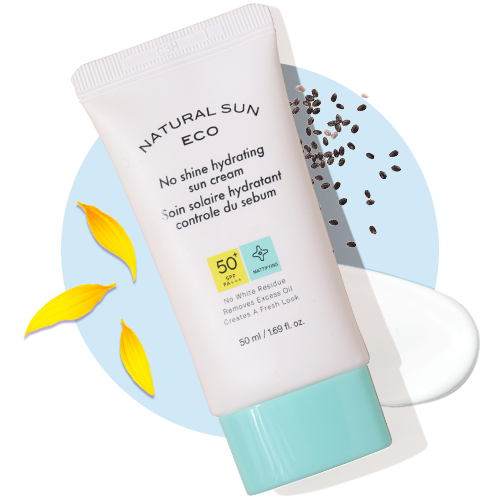
- Protect (AM Only): This is non-negotiable. Pigmentation will return instantly without sun protection. A tinted sunscreen is excellent as it provides SPF protection while offering iron oxides that block visible light, which is crucial for preventing melasma relapse.
Frequently Asked Questions (FAQs)
What is the best time to apply a pigmentation serum?
Most anti-pigmentation serums containing Vitamin C are best used in the morning to fight oxidative stress. However, if your serum contains Retinol or AHAs, use it at night. Always check the label.
Can I use a pigmentation serum if I have sensitive skin?
Yes, but choose wisely. Niacinamide is generally well-tolerated by sensitive skin. Always do a patch test behind your ear 24 hours before full application.
How long does it take to see results?
Pigmentation is stubborn. With consistent use of a melasma serum, you can expect to see visible fading of dark spots in 6 to 12 weeks. Consistency is more important than intensity.
Is a serum better than a fairness cream?
Yes. Serums treat the root cause of hyperpigmentation through deep penetration and cellular repair, whereas fairness creams often only provide a temporary surface-level bleaching effect or white cast.