

If you have sensitive skin, you know the drill: you buy a face wash labeled "gentle," "natural," or "mild," only to feel that familiar sting, tightness, or redness the moment you rinse it off. Why does this happen?
The truth is, marketing terms like "gentle" are not scientific classifications. For the Indian demographic, where pollution levels, hard water issues, and high humidity play massive roles in skin health, finding a gentle face wash in India requires looking beyond the label and understanding the science of the skin barrier.
The Anatomy of Irritation: Why Your Cleanser Hurts
To find a truly non-irritating cleanser, you first need to understand what causes the irritation. It usually boils down to three culprits:
- High pH Levels: Your skin's natural barrier is acidic (around pH 4.5-5.5). Many traditional foaming cleansers have a pH of 8-10. This disrupts the acid mantle, letting bacteria in and moisture out.
- Harsh Surfactants: Ingredients like Sodium Lauryl Sulfate (SLS) strip natural oils entirely. While they create a satisfying foam, they are the enemy of a face wash for sensitive skin.
- Hidden Fragrances: "Unscented" doesn't always mean fragrance free cleanser. Essential oils and masking fragrances are common allergens in India, often reacting with sun-exposed skin.
The Solution: What to Look For (The Checklist)
When shopping for the best sensitive cleanser, ignore the front of the bottle and turn it around to the ingredient list. You are looking for a pH balanced cleanser that utilizes specific technologies:
- Micellar Technology: Captures dirt without scrubbing.
- Amino Acid Surfactants: Cleanse without stripping proteins.
- Barrier Support: Ingredients like Ceramides, Panthenol, and Centella Asiatica.
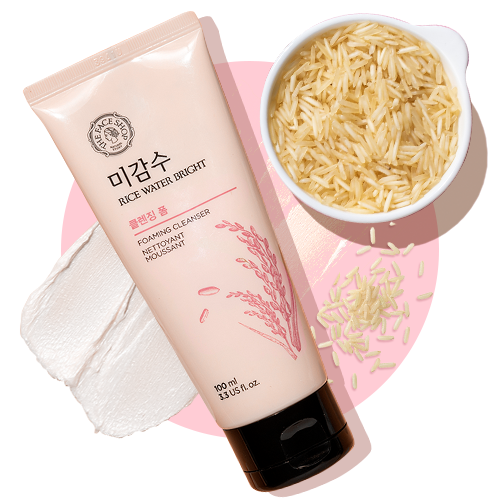
For those struggling to find a balance, The Face Shop offers a scientifically formulated cleanser for sensitive skin that aligns with these physiological needs, ensuring dirt is removed without compromising the lipid barrier.
The Indian Context: Hard Water and Double Cleansing
In many Indian cities, hard water (water high in calcium and magnesium) leaves a film on the skin that can clog pores and cause sensitivity. This is why the "Double Cleanse" method is gaining traction here.
- Step 1: Start with a lipid-based remover. A gentle cleansing oil dissolves sunscreen and pollution particles that water-based cleansers miss.
- Step 2: Follow up with your water-based sensitive skin cleanser. This removes the sweat and residue.
This method ensures you aren't scrubbing your face raw to get it clean.
Building a Routine Around Sensitivity
Cleansing is just step one. If your barrier is compromised, your follow-up routine matters immensely. Immediately after washing, while skin is damp, apply barrier-repairing moisturizers containing ceramides or rice extracts to lock in hydration.
For those with oily yet sensitive skin (a common Indian skin type due to humidity), opt for a lighter, oil free moisturizer to hydrate without clogging. Establishing a consistent am pm skincare rhythm helps train your skin barrier to be more resilient over time.
Frequently Asked Questions (FAQs)
1. How do I know if my cleanser is pH balanced?
Most brands will list it on the packaging. If not, a pH balanced cleanser typically feels slippery rather than "squeaky clean" when rinsing. The squeaky feeling usually indicates a high pH soap that has stripped your oils.
2. Can I use a sensitive skin cleanser if I have acne?
Absolutely. In fact, harsh acne washes can inflame acne further. You might alternate between a dedicated face wash for sensitive skin and a specialized cleanser for acne-prone skin depending on how your skin feels that day.
3. Why does my face sting even with water?
This suggests a severely compromised skin barrier (the acid mantle is broken). In this state, even tap water can irritate due to pH differences or chlorine content. Switch to a milk cleanser or micellar water until the barrier heals.
4. Is fragrance-free always better?
For sensitive skin, yes. A fragrance free cleanser eliminates the most common variable for contact dermatitis. However, some soothing botanical scents (natural extracts) are tolerated well by non-hypersensitive skin types.