

Retinol is often hailed as the gold standard in skincare. It’s the celebrity of the anti-aging world, loud, popular, and effective. But let’s be honest: for many of us with melanin-rich Indian skin, Retinol can sometimes be a frenemy. It can cause purging, sensitivity, and redness, especially given our tropical climate and exposure to pollution.
While Retinol has its place, it is not the only path to youthful skin. If you are looking for a moisturiser for aging that plumps, lifts, and brightens without the harsh side effects, you need to broaden your ingredient horizons.
Here are 7 power-packed ingredients to look for in your next face cream anti-aging purchase, specifically curated for the unique needs of Indian skin.
1. Hydrolyzed Collagen: The Structural Architect
Indian skin tends to have a thicker dermis, which delays the onset of fine lines compared to Caucasian skin. However, when we do lose firmness, sagging becomes a primary concern. Collagen is the scaffolding of your skin. Topically applying hydrolyzed collagen (collagen broken down into smaller peptides) helps improve elasticity and hydration capability.
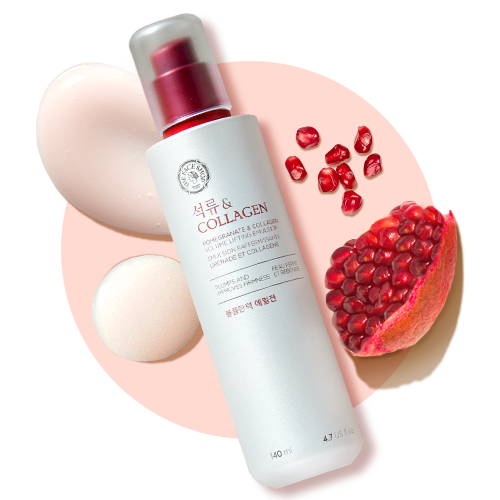
If you are searching for a high-performance collagen cream India, look for formulations that pair collagen with fruit extracts to boost absorption. The Pomegranate and Collagen Volume Lifting Cream is an excellent example of a moisturiser for ageing skin that uses this synergy to firm up the jawline and cheek area.
2. Ceramides: The Barrier Builders
Think of your skin cells as bricks; ceramides are the mortar holding them together. As we age, we lose ceramides, leading to dry, crepey skin. For Indian skin, which is prone to transepidermal water loss due to heat and AC exposure, barrier repair is non-negotiable.
A robust ceramide moisturizer locks in moisture and prevents environmental damage. Products like the Rice Ceramide Moisturizing Emulsion are lightweight enough for our humid weather but potent enough to repair the barrier, making them a great companion to your anti aging cream.
3. Adenosine: The Energy Molecule
Adenosine is a yeast-derived ingredient that functions as a soothing, skin-restoring agent. It has proven anti-wrinkle benefits because it energizes the skin’s surface, making it look smoother and younger. Unlike Retinol, it doesn't irritate, making it perfect for a night cream anti-aging routine for sensitive skin.
4. Niacinamide (Vitamin B3): The Pigmentation Fighter
Aging on Indian skin often manifests as uneven skin tone and hyperpigmentation before deep wrinkles set in. Niacinamide is a multitasker that:
- Fades dark spots.
- Strengthens the skin barrier.
- Regulates oil production.
5. Peptides: The Messengers
Peptides are chains of amino acids that signal your skin to produce more collagen. They are gentle, effective, and pair well with almost any other ingredient. A good wrinkle cream will often list peptides near the top of the ingredient list.
6. Hyaluronic Acid: The Hydration Hero
Dehydrated skin looks older. Hyaluronic Acid (HA) acts like a sponge, holding 1000x its weight in water. It instantly plumps up fine lines. However, HA needs to be sealed in. Always apply your face cream for women over damp skin or serums to lock this hydration in.
7. Antioxidants (Green Tea, Pomegranate, Vitamin C)
Pollution is a major aging factor in Indian cities. Antioxidants neutralize free radicals preventing oxidative stress. Pomegranate extract, for instance, not only provides antioxidants but also aids in cell regeneration.
Building Your Anti-Aging Routine (AM/PM)
To get the most out of these ingredients, layering is key.
Step 1: Gentle Cleansing
Aging skin is fragile. Avoid stripping it. If you wear makeup or sunscreen, start with a rich oil cleanser. The Deep Cleansing Oil is a cult favorite that removes impurities without drying out the skin, preparing a clean canvas for your anti-aging treatments.
Step 2: Treatment & Moisturisation
Apply your serum, followed by your Moisturiser for Ageing Skin. Massage the cream in upward circular motions to stimulate blood flow.
Step 3: Protection (AM Only)
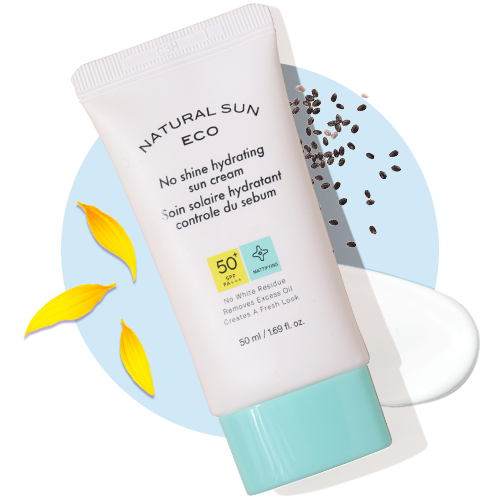
None of the ingredients above will work if you don't protect your skin from the sun. UV rays destroy collagen. Finish your morning routine with a tinted sunscreen, which offers protection while blurring imperfections, a double win for aging skin.
Frequently Asked Questions (FAQs)
What is the best age to start using anti-aging cream?
Prevention is better than cure. Dermatologists recommend introducing preventative ingredients like antioxidants and moisture-rich face cream anti-aging products in your mid-20s. Hard-hitting ingredients like collagen and peptides can be introduced in your late 20s to early 30s.
Can I use collagen cream if I have oily skin?
Yes. Many people assume anti-aging products are heavy and greasy. However, modern formulations, like the Pomegranate & Collagen series, are designed to absorb quickly. If you are very oily, look for an emulsion or a gel-based collagen cream India offers.
Is it necessary to use a separate night cream?
While not strictly mandatory, a anti ageing night cream is beneficial because skin repair mechanisms are most active at night. Night creams are generally richer and contain higher concentrations of active ingredients like Adenosine or Ceramides.
How do I layer these ingredients with a sensitive skin moisturizer?
If your skin is reactive, apply your active anti-aging serum first, let it absorb, and then seal it with a bland, soothing Moisturiser for Sensitive Skin to prevent irritation.