
Quick Summary
Collagen and retinol are top anti-aging actives, but which works best for Indian skin? Discover their benefits, risks, and how to choose the right one for your needs.
The Anti-Aging Showdown: Collagen vs Retinol for Indian Skin
When it comes to anti-aging skincare, two ingredients dominate the conversation: collagen and retinol. Both promise smoother, firmer, and younger-looking skin, but their mechanisms, benefits, and suitability can differ, especially for Indian skin types prone to pigmentation and sensitivity. This guide unpacks the science, practical tips, and India-specific considerations to help you make an informed choice.
Understanding Collagen: The Skin’s Building Block
Collagen is a protein naturally found in our skin, responsible for its firmness and elasticity. As we age, collagen production drops, leading to wrinkles and sagging. In India, environmental stressors like pollution and UV exposure can accelerate this loss. Topical collagen products, such as creams and serums, aim to replenish or stimulate collagen for plumper skin.
- Fact: Indian diets rich in vegetarian foods may lack certain amino acids needed for optimal collagen synthesis, making topical support more relevant (NCBI).
- Example: Collagen-infused sheet masks and creams are increasingly popular in India, with prices ranging from ₹500 to ₹2,000 depending on brand and formulation.
Retinol: The Gold Standard for Anti-Aging
Retinol, a vitamin A derivative, is renowned for its ability to boost cell turnover, fade pigmentation, and smooth fine lines. Dermatologists in India often recommend retinol for visible signs of aging, but caution is needed due to higher risk of irritation and post-inflammatory hyperpigmentation, especially in deeper Indian skin tones.
- Data Point: Studies show that retinol at concentrations as low as 0.25% can deliver results, but Indian skin may benefit from starting at lower strengths to minimize sensitivity (Healthline).
- Tip: Always pair retinol with a broad-spectrum sunscreen to prevent sun-induced pigmentation.
How Collagen and Retinol Work Differently
Collagen acts as a moisturizer and skin-plumper, providing immediate hydration and a subtle glow. Retinol, on the other hand, works at a cellular level to stimulate collagen production and accelerate skin renewal. While collagen products offer instant comfort, retinol delivers more dramatic, long-term results - but with a higher risk of irritation.
- Counterintuitive Fact: Topical collagen molecules are often too large to penetrate deeply, so their main benefit is surface hydration rather than true collagen replacement.
- India-Specific Note: Humid climates may enhance the moisturizing effect of collagen creams, while retinol’s drying effect can be more pronounced in drier regions like Delhi or Rajasthan.
Which Is Better for Pigmentation and Uneven Skin Tone?
Hyperpigmentation is a top concern for Indian skin, often triggered by sun exposure, acne scars, or hormonal changes. Retinol is clinically proven to fade dark spots and even out skin tone, but can initially worsen pigmentation if not used correctly. Collagen products provide hydration and support, but do not directly target pigmentation.
- Expert Insight: Dermatologists suggest introducing retinol gradually (2-3 times a week) and using gentle cleansers to reduce irritation risk.
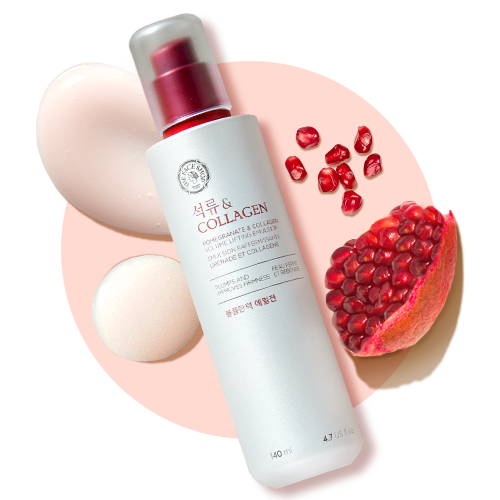
- Product Example: Look for retinol serums formulated for sensitive skin, or try collagen and pomegranate masks for a soothing, brightening boost.
Safety and Sensitivity: What Indian Skin Needs to Know
Indian skin is more prone to sensitivity, redness, and pigmentation changes when exposed to strong actives. Retinol can cause peeling, dryness, and even temporary darkening if overused or combined with harsh products. Collagen creams are generally well-tolerated, making them a safer pick for beginners or those with sensitive skin.
- Checklist:
- Patch test new products for 24 hours.
- Start with lower concentrations (retinol 0.1%-0.3%).
- Always use sunscreen in the morning.
- Layer a gentle moisturizer, such as Ceramide & Rice Moisturizing Cream, after retinol.
Cost, Accessibility, and Value in the Indian Market
Quality retinol serums in India typically range from ₹600 to ₹2,500, while collagen creams and masks are available from ₹400 upwards. Imported brands may cost more, but many Indian and Korean brands offer effective options at accessible price points. Consider combo kits, such as those in the Kits & Combos section, for better value.
- Tip: Check ingredient lists for added actives like hyaluronic acid or pomegranate, which can enhance hydration and antioxidant protection.
- Value Note: Investing in a high-quality retinol may yield more visible results, but collagen products offer comfort and hydration at a lower entry price.
Integrating Collagen and Retinol in Your Routine
Can you use both? Absolutely - with care. Many Indian skincare enthusiasts alternate collagen and retinol on different nights, or use collagen-based masks after retinol to soothe and hydrate. Avoid layering both in the same routine if you have sensitive skin.
- Routine Example:
- Night 1: Retinol serum + moisturizer
- Night 2: Collagen cream or mask
- Repeat, adjusting frequency based on skin response
Myths and Misconceptions: Setting the Record Straight
There’s plenty of misinformation about both ingredients in Indian beauty circles. Some believe collagen creams can “replace” lost collagen, but most work by hydrating and supporting the skin barrier. Others think retinol is unsafe for Indian skin, but when used correctly, it’s one of the most effective anti-aging actives available.
-
Myth: “Collagen creams erase wrinkles overnight.”
Reality: They hydrate and plump, but deep wrinkles require long-term care. -
Myth: “Retinol always causes peeling.”
Reality: Gradual introduction and proper moisturization minimize side effects.
Choosing What’s Right for You: A Personalized Approach
Ultimately, the best anti-aging ingredient depends on your skin type, concerns, and lifestyle. If you’re new to actives or have sensitive skin, start with collagen-based products and introduce retinol slowly. For visible pigmentation or deeper wrinkles, retinol may offer more noticeable results - just remember to prioritize sun protection and hydration.
- Quick Guide:
- For hydration and comfort: Collagen creams and masks
- For pigmentation and fine lines: Retinol serums (start low, go slow)
- For best results: Combine with a gentle moisturizer and daily sunscreen
Explore more anti-aging solutions and discover the latest from The Face Shop for Indian skin needs.
FAQ
Can I use collagen and retinol together on Indian skin?
Yes, but avoid layering them in the same routine if you have sensitive skin. Alternate on different nights or use collagen after retinol to soothe and hydrate.
Is retinol safe for Indian skin prone to pigmentation?
Retinol can be safe and effective for pigmentation if introduced gradually and always paired with sunscreen. Start with low concentrations and monitor your skin’s response.
Do collagen creams actually replace lost collagen?
Topical collagen mainly hydrates and plumps the skin’s surface. It does not replace lost collagen deep within the skin but can improve comfort and appearance.
What is the best age to start using retinol or collagen?
Many dermatologists recommend starting retinol in your mid-20s for prevention, while collagen creams can be used at any age for hydration and barrier support.
Are there affordable anti-aging products for Indian consumers?
Yes, both Indian and Korean brands offer quality retinol and collagen products starting from ₹400. Combo kits can provide better value for money.