

Walk into any pharmacy in Mumbai or scroll through Nykaa, and you are bombarded with the "C" word. Collagen. It is the buzzword of the decade in the Indian beauty industry, promising to reverse aging, plump up skin, and bring back that 20-something bounce.
But here is the hard truth: Not all collagen is created equal. Whether you are looking to buy collagen powder India markets offer or searching for a high-end serum, the label holds the secrets. If you don't know how to read it, you might be flushing money down the drain.
As a skincare analyst, I have seen labels that claim miracles but deliver mere moisture. Today, we are decoding the jargon so you can choose the best collagen for skin confidence.
1. The Source: Marine vs. Bovine vs. "Vegan"
In India, dietary preferences play a huge role in skincare choices. However, for efficacy, the source matters.
- Marine Collagen (Fish): Generally considered the gold standard for skincare. It consists primarily of Type I collagen, which is the building block of strong, glowing skin. It has a smaller particle size, making it easier for the body to absorb.
- Bovine (Cow) & Porcine (Pig): Cheaper and common, but often better suited for joint health (Type II collagen) rather than skin aesthetics.
- Vegan Collagen: Spoiler Alert: Real collagen comes from animals. "Vegan collagen" usually refers to ingredients that stimulate your own collagen production (like Vitamin C and genetically modified yeast/bacteria). It is effective, but it is not pure collagen.
Pro Tip: If you are non-vegetarian or pescatarian, look specifically for marine collagen for skin for the best absorption rates.
2. The Science of Size: Why 'Hydrolyzed' is Non-Negotiable
This is where most shoppers get tricked. The collagen molecule, in its natural state, is too large to penetrate the skin barrier or be absorbed effectively by the gut.
When checking labels for a collagen serum for skin or a cream, look for the word "Hydrolyzed" or "Peptides."
- Hydrolysis breaks the massive protein chains into tiny fragments.
- These fragments are small enough to sink deep into the epidermis (in creams) or be digested rapidly (in powders).
If your collagen cream India brand doesn't mention "hydrolyzed" or "peptide," it is likely just sitting on top of your face acting as a basic moisturizer.
3. Topical vs. Ingestible: The Great Debate
Should you apply it or drink it? The answer for maximum impact is often both, but they serve different functions.
Topical (Creams and Serums)
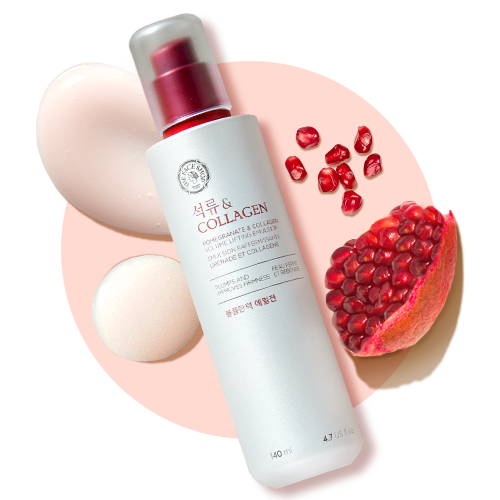
Topical application provides instant hydration and surface-level plumping. It helps lock in moisture, reducing the appearance of fine lines immediately. For those targeting specific aging concerns, a specialized anti-aging collagen cream works to improve elasticity and barrier strength.
If you prefer a lighter texture, especially for Indian summers, opting for a specific collagen skin cream that focuses on lifting and firming is essential.
Ingestible (Powders and Tablets)
Collagen tablets for skin work from the inside out, providing the body with the amino acids needed to rebuild the skin matrix. When buying powder, ensure it is sugar-free, as sugar causes glycation which actually destroys collagen.
4. The Ingredient Checklist: What to Pair (and What to Avoid)
Collagen loves company. It rarely works alone. Here is what to look for on the ingredient list:
- Look For: Hyaluronic Acid (hydration), Vitamin C (synthesis), and Retinol (turnover).
- Avoid: High fructose corn syrup (in powders), Parabens, and heavy synthetic fragrances that can irritate sensitive Indian skin.
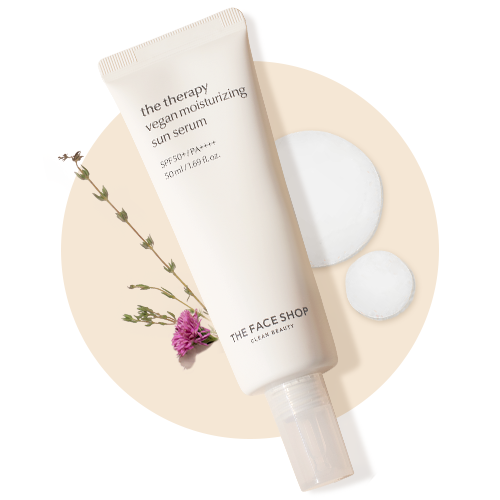
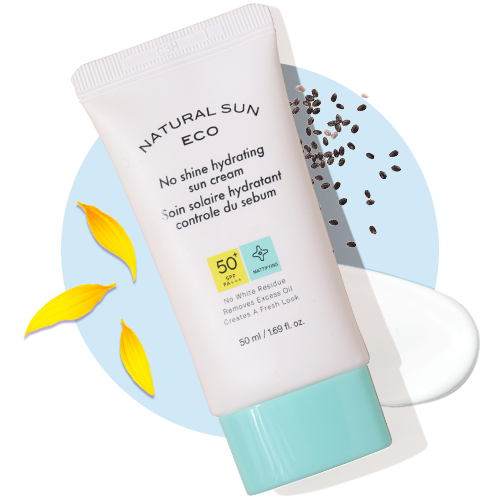
Once you have applied your collagen for skin products, you must protect that investment. UV rays are the number one killer of collagen. Always finish your morning routine with a broad-spectrum sunscreen spf 50 to prevent the sun from breaking down what you are trying to build.
Frequently Asked Questions (FAQ)
Q: What is the best age to start using collagen products? A: Natural collagen production starts declining in your mid-20s. Starting a skin firming collagen routine between ages 25-28 is ideal for prevention.
Q: Can collagen remove dark spots? A: Collagen improves texture and elasticity, but it isn't a bleaching agent. For pigmentation, you should pair collagen with a dedicated skin lightening cream or Vitamin C serum.
Q: Is marine collagen better than bovine for Indian skin? A: Generally, yes. Marine collagen peptides are smaller and more bioavailable, making them highly effective for skin elasticity and hydration specifically.
Q: How long does it take to see results from collagen cream? A: You will feel hydration immediately. However, visible firmness and reduction in fine lines typically require 4 to 8 weeks of consistent use.
Conclusion
Don't let the flashy marketing fool you. Whether you are browsing for collagen tablets for skin or a luxurious cream, the secret is in the fine print. Look for hydrolyzed peptides, check the source, and ensure you are protecting your skin from the sun. Your skin is an investment—read the label like a pro.