
Quick Summary
Confused about monsoon skincare? Dermatologists answer India’s top 7 questions on cleansers and serums for oily, dull, or breakout-prone skin. Get expert, practical advice for the humid season.
Monsoon in India brings relief from the heat, but it also creates unique skin challenges - excess oil, sudden breakouts, and dullness. If you’re wondering how to adapt your skincare routine, especially when it comes to cleansers and serums, you’re not alone. We’ve gathered the top questions Indian consumers ask dermatologists every monsoon, along with expert-backed answers, practical tips, and product recommendations tailored for our climate and skin types.
1. Do I Really Need a Different Cleanser During the Monsoon?
Short answer: Yes, in most cases. The increased humidity and pollution in Indian cities during monsoon can leave skin feeling sticky and more prone to clogged pores. Dermatologists recommend switching to a gentle, foaming cleanser that removes excess oil and grime without stripping your skin’s natural barrier.
- Look for: Sulfate-free, pH-balanced formulas with ingredients like rice water, niacinamide, or green tea.
- Why it matters: Over-cleansing or using harsh soaps can worsen oiliness and trigger breakouts.
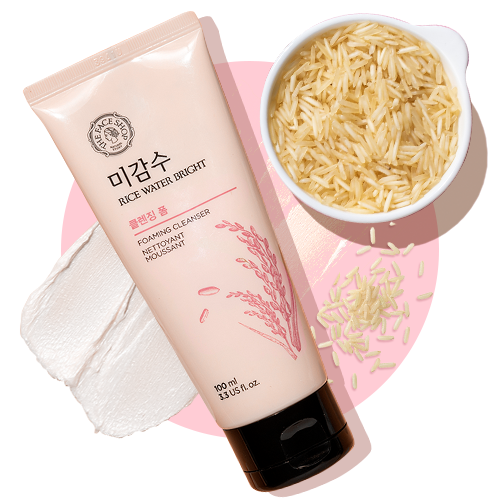
For example, The Face Shop Rice Water Bright Cleansing Foam is a popular choice in India for its ability to cleanse deeply while maintaining skin softness. At around INR 650 for 150ml, it offers excellent value for daily use through the season.
2. Which Cleanser Ingredients Should I Avoid in Humid Weather?
Indian dermatologists caution against cleansers with high alcohol content, strong fragrances, or harsh exfoliants during the monsoon. These can disrupt your skin barrier, leading to increased sensitivity and even more oil production.
- Skip: Sodium lauryl sulfate (SLS), denatured alcohol, and rough physical scrubs.
- Choose: Hydrating ingredients like glycerin, ceramides, and panthenol.
Counterintuitively, using a hydrating cleanser can actually help control oiliness by preventing your skin from overcompensating with excess sebum. This is especially true for Indian skin types that tend to get dehydrated under air conditioning and pollution.
3. How Often Should I Cleanse My Face During Monsoon?
It’s tempting to wash your face multiple times a day to combat sweat and stickiness. However, dermatologists recommend cleansing twice daily - morning and night. Over-washing can strip away protective oils, making your skin more vulnerable to bacteria and environmental stressors.
- Tip: If you feel the need for a midday refresh, use a gentle toner or splash with plain water instead of a full cleanse. Explore our toner collection for lightweight, hydrating options.
In cities like Mumbai or Chennai, where humidity levels soar, this routine helps maintain balance without causing irritation or dryness.
4. What’s the Best Serum for Dull, Tired-Looking Skin in Monsoon?
Monsoon dullness is a common complaint, especially with less sun exposure and increased pollution. Dermatologists in India recommend serums with Vitamin C or niacinamide for brightening and evening out skin tone.
- Vitamin C: Fights free radicals, boosts radiance, and helps fade dark spots caused by acne or sun damage.
- Niacinamide: Reduces inflammation, controls oil, and improves skin texture.
Look for lightweight, water-based serums that absorb quickly and don’t leave a sticky residue. Prices for quality serums in India range from INR 500 to INR 2000, depending on concentration and formulation. For more targeted solutions, check our Uneven Skin Tone collection.
5. Can Serums Cause Breakouts in Humid Weather?
Not all serums are created equal. Heavy, oil-based serums can clog pores, especially in the sticky Indian monsoon. Dermatologists suggest choosing non-comedogenic, gel-based serums with hydrating ingredients like hyaluronic acid or polyglutamic acid.
- Check the label: Look for “non-comedogenic” and “oil-free.”
- Best for acne-prone skin: Serums with niacinamide or salicylic acid can help control breakouts without drying out your skin.
Remember, more is not always better. Use just a few drops and allow the serum to absorb fully before layering other products.
6. How Do I Layer Cleansers and Serums for Maximum Effect?
Layering is key for effective monsoon skincare. Here’s a dermatologist-approved step-by-step routine for Indian skin:
- Start with a gentle cleanser to remove dirt and oil.
- Pat dry and apply a hydrating toner (optional, but helpful in humid weather).
- Apply a pea-sized amount of serum, focusing on problem areas.
- Follow with a lightweight, non-greasy moisturizer.
- Finish with sunscreen, even on cloudy days.
Tip: In the monsoon, less is more. Avoid layering too many actives, which can irritate sensitive skin. Stick to one or two targeted serums at a time.
7. Are There Budget-Friendly Monsoon Skincare Options That Work?
Absolutely. Indian consumers have access to a wide range of effective cleansers and serums at various price points. For instance, The Face Shop Rice Water Bright Cleansing Foam delivers gentle cleansing for under INR 700. For serums, look for Indian brands offering Vitamin C or hyaluronic acid formulas between INR 500 and INR 1200.
- Pro tip: Always patch-test new products, especially during the monsoon when skin can be more reactive.
- Value check: Compare price per ml to get the best deal for your budget.
For more recommendations, browse our Best Korean Cleansers collection for options that suit Indian skin and climate.
Bonus: What About Post-Acne Marks and Dark Spots?
Monsoon humidity can worsen post-acne marks and pigmentation. Dermatologists recommend serums with Vitamin C, niacinamide, or licorice extract to target these concerns. Consistency is key - visible results may take 4-8 weeks. For targeted solutions, explore our Post Acne Marks and Dark Spots on Face collections.
Quick Checklist: Monsoon Skincare Essentials
- Switch to a gentle, foaming cleanser
- Use a lightweight, non-comedogenic serum
- Moisturize with a gel-based formula
- Don’t skip sunscreen, even on cloudy days
- Patch-test new products
By following these dermatologist-backed tips, you can keep your skin healthy, clear, and glowing all monsoon long.
FAQ
Should I use a foaming or cream cleanser during the Indian monsoon?
A gentle foaming cleanser is usually best for the Indian monsoon, as it removes excess oil and grime without over-drying. Cream cleansers may feel too heavy in humid conditions.
Can I skip moisturizer if my skin feels oily during monsoon?
No, skipping moisturizer can actually make oiliness worse. Choose a lightweight, gel-based moisturizer to keep your skin hydrated without feeling greasy.
How do I know if a serum is non-comedogenic?
Look for labels that say 'non-comedogenic' or 'oil-free.' Check the ingredient list for lightweight hydrators like hyaluronic acid and avoid heavy oils.
Is it safe to use Vitamin C serum every day in the monsoon?
Yes, daily use of Vitamin C serum is generally safe and effective for brightening and protecting your skin. Always patch-test first and use sunscreen during the day.
How long does it take to see results from a new serum?
Most serums show visible results in 4-8 weeks with consistent use. For concerns like dark spots or acne marks, patience and regular application are key.