

If you live in India, you know the struggle is real. Between the humid monsoons, the dry winters in the North, and the constant air-conditioning in offices, our skin barriers take a beating. One minute your skin feels fine, and the next, it feels tight, itchy, and looks lackluster.
The most common question I get in my clinic is simple yet complex: "Doctor, should I go for a fragrance-free formula or something natural?"
Today, we are decoding this skincare dilemma to help you find the best dry skin moisturizer for your specific needs.
The Core Debate: Sensitivity vs. Nutrition
When looking for a face moisturizer dry skin types adore, you are generally choosing between two philosophies: clinical safety (fragrance-free) and botanical nourishment (natural).
1. Fragrance-Free Dry Skin Moisturizers: The "Safe" Bet
What it means: These products do not contain synthetic perfumes or essential oils that provide scent.
Why Dermatologists Love Them:
- Zero Irritation: Fragrance is the #1 cause of contact dermatitis in skincare. If you have sensitive skin, eczema, or rosacea, a fragrance-free dry skin moisturizer is often the only safe option.
- Focus on Actives: Without the need to mask the smell of ingredients, these formulations often focus purely on hydration boosters like Hyaluronic Acid and Ceramides.
Best For:
- Hyper-sensitive skin types.
- Post-procedure skin (after peels or lasers).
- Those prone to redness.
2. Natural Dry Skin Moisturizers: The "Nutrient" Bet
What it means: These rely on botanical extracts like Rice Water, Mango Seed butter, or Olive oil to repair the skin barrier.
Why We Love Them:
- Complex Nutrition: Unlike synthetic emollients that just sit on top, a high-quality natural dry skin moisturizer often contains vitamins, antioxidants, and fatty acids found in nature.
- Sensory Experience: While some are fragrance-free, many natural moisturizers have a subtle, earthy scent that can be therapeutic.
Best For:
- Dull, devitalized skin needing a glow.
- Those looking for sustainable, plant-based ingredients.
- People whose skin barrier needs lipid replenishment.
The Verdict: What Should You Buy?
Here is the secret: You don't always have to choose. The modern market offers hybrids—natural ingredients formulated without harsh synthetic fragrances.
However, if you are strictly looking for hydration that lasts all day, especially during an Indian winter, you need a heavy-hitter.
Building Your Hydration Routine
To truly combat dryness, a single cream isn't enough. You need a regimen.
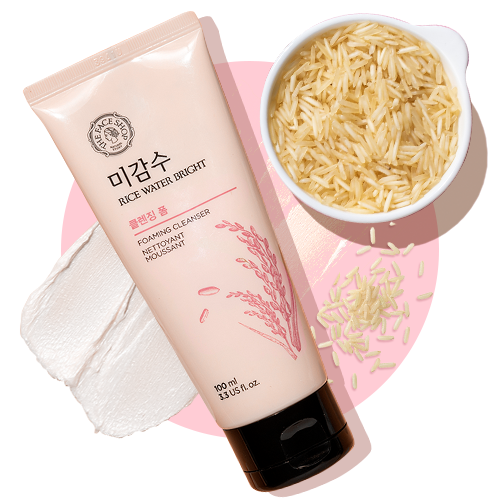
Step 1: Cleanse Without Stripping Start with an oil-based cleanser. A good cleansing oil melts away makeup and pollution without robbing your skin of its natural oils, setting a hydrated base.
Step 2: Layer Hydration Before your heavy cream, apply a lightweight layer. A serum for dry skin acts as a humectant magnet, pulling moisture into the deeper layers of the epidermis.
Step 3: Seal with the Right Moisturizer This is the crucial step. You need a hydrating dry skin cream that creates an occlusive seal.
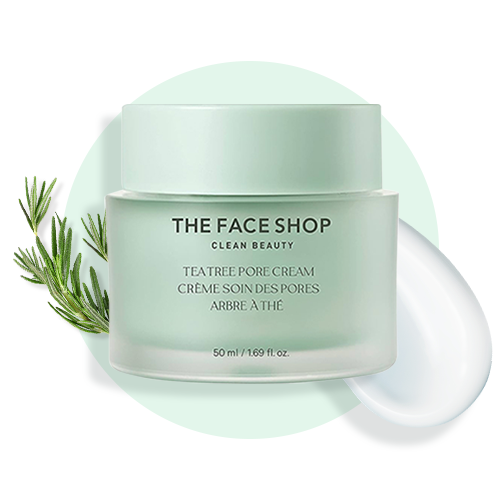
I recommend looking for products rich in Rice Water or Ceramides. For a reliable, deeply nourishing option that bridges the gap between efficacy and gentleness, check out this moisturizer for dry skin. It provides that essential moisture barrier reinforcement.
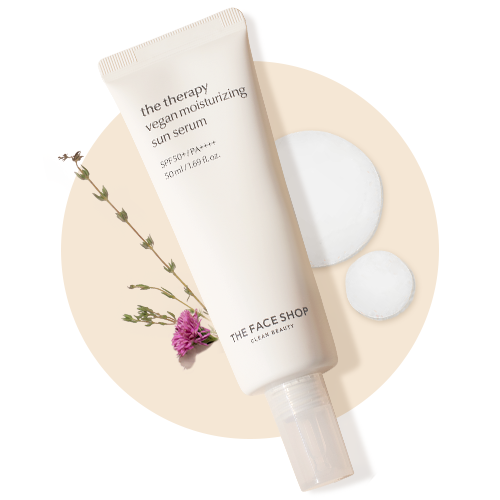
Step 4: Protect If it's daytime, never skip SPF. A tinted sunscreen is excellent for dry skin as it often contains moisturizing agents that matte sunscreens lack.
Key Ingredients to Look For in a Winter Dry Skin Cream
When reading the label of your next purchase, look for these heavy-lifters:
- Ceramides: The glue that holds skin cells together.
- Rice Water/Extracts: Brightens and deeply softens rough texture.
- Shea/Mango Butter: Natural occlusives that prevent water loss.
- Hyaluronic Acid: Holds 1000x its weight in water.
Frequently Asked Questions (FAQs)
Q: Can I use a natural moisturizer if I have sensitive skin?
A: Yes, but patch test first. "Natural" ingredients like essential oils can sometimes trigger reactions. Look for a natural dry skin moisturizer that specifies it is hypoallergenic or soothing.
Q: Is a winter dry skin cream too heavy for Indian summers?
A: Generally, yes. In humid summers, switch to a gel-based moisturizer. Save the heavy, butter-based creams for the winter months or night-time use.
Q: Why does my skin still feel dry after moisturizing?
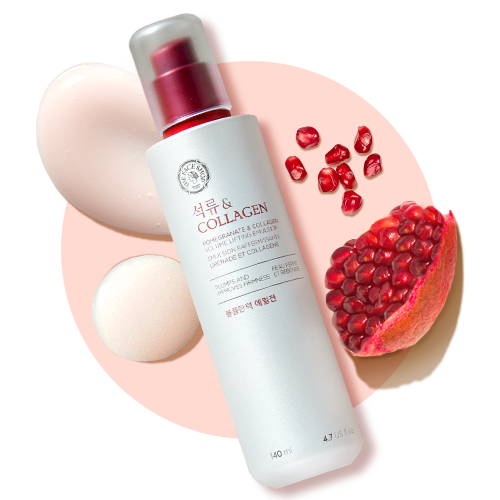
A: You might have dead skin buildup preventing absorption. Ensure you exfoliate mildly or use a collagen cream to improve elasticity and skin turnover.
Q: What is the difference between a dermatologist dry skin moisturizer and a drugstore one?
A: Dermatologist-recommended options usually undergo rigorous clinical testing for comedogenicity (pore-clogging) and irritation, whereas generic options may prioritize scent and texture over skin health.