
Quick Summary
Discover dermatologist-backed answers to the most common mistakes worsening sensitive skin in Indian cities. Learn how to repair your barrier, avoid irritants, and choose the right products for urban pollution.
Living in an Indian city means your skin faces a daily onslaught of dust, smoke, and high humidity. If you have sensitive skin, these urban realities can make irritation, redness, and breakouts much worse. We asked leading dermatologists to answer the most common questions about sensitive skin and pollution in India. Here’s what you need to know to protect your skin barrier, avoid costly mistakes, and choose the right products for your unique needs.
1. Why Does Sensitive Skin React More in Indian Cities?
Hook: Did you know that Delhi’s PM2.5 levels can be 10 times higher than WHO limits during winter? Indian urban air is a unique challenge for skin.
- Pollution particles are tiny enough to penetrate the skin barrier, especially when it’s already compromised.
- Humidity and sweat can trap pollutants on your face, increasing irritation.
- Indian cities often have high levels of traffic-related pollutants, which are linked to increased skin sensitivity and pigmentation (NCBI study).
India-specific tip: If you commute daily or spend time outdoors in cities like Mumbai, Bengaluru, or Kolkata, double cleansing in the evening is essential to remove particulate matter.
2. What Are the Most Common Mistakes People Make With Sensitive Skin in India?
Hook: Many Indians unknowingly worsen their skin by following popular but outdated advice.
- Over-cleansing: Washing your face more than twice daily strips natural oils, weakening your barrier.
- Using harsh scrubs: Physical exfoliants can cause micro-tears, especially on already irritated skin.
- Skipping moisturizer: Even in humid weather, pollution dries out the skin. A lightweight, non-comedogenic moisturizer is a must.
- Trying too many actives: Layering multiple serums (like vitamin C, retinol, and acids) without dermatologist guidance can trigger flare-ups.
Mini-checklist:
- Limit cleansing to twice a day.
- Choose gentle, fragrance-free products.
- Patch test new products before full use.
3. How Does Pollution Damage the Skin Barrier?
Hook: Your skin barrier is your first defense, but Indian pollution can break it down faster than you think.
- Pollutants like PM2.5 and heavy metals increase oxidative stress, leading to inflammation and barrier disruption.
- Signs of a damaged barrier: stinging, redness, dry patches, and increased sensitivity to skincare products.
- Indian research shows that people living in metro areas report higher rates of eczema and contact dermatitis (NCBI).
Pro tip: Look for products with ceramides, niacinamide, and centella asiatica to help repair and strengthen your barrier.
4. Which Ingredients Should Sensitive Skin Avoid in Indian Pollution?
Hook: Some ingredients that work abroad can backfire in India’s climate and pollution.
- Alcohol-based toners: These can dry out and irritate sensitive skin, especially in polluted, humid air.
- Strong fragrances: Fragrance is a top cause of allergic reactions, particularly when pollution has already sensitized the skin.
- Physical scrubs and walnut shell powders: These are too abrasive for delicate skin barriers.
- High concentrations of actives: Start slow with acids and retinoids; Indian skin can be more reactive due to environmental stressors.
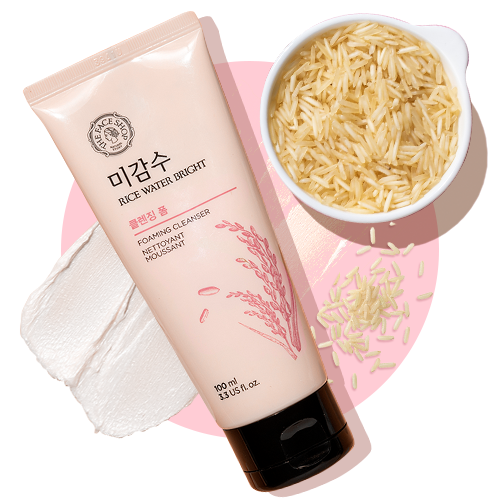
India-specific example: Many local face washes contain SLS or strong detergents. Opt for gentle cleansers like Rice Water Bright Cleansing Foam for a milder cleanse.
5. What Are the Best Practices for Skin Barrier Repair in India?
Hook: Barrier repair is not just a trend - it’s a necessity for urban Indian skin.
- Use a gentle, pH-balanced cleanser morning and night.
- Apply a ceramide-rich moisturizer after cleansing. The Ceramide & Rice Moisturizing Skincare kit is formulated for barrier support and hydration.
- Incorporate niacinamide serums (2-5%) to reduce inflammation and strengthen the skin.
- Always use a broad-spectrum sunscreen, even on cloudy days. Pollution increases UV sensitivity.
Cost tip: Investing in a barrier-repair routine can save you thousands of INR in dermatologist visits and prescription creams later.
6. How to Choose a Non-Comedogenic Moisturizer for Sensitive Skin in India?
Hook: Not all “oil-free” or “lightweight” moisturizers are truly non-comedogenic for Indian skin types.
- Look for labels that specify “non-comedogenic” and “fragrance-free.”
- Ingredients like ceramides, hyaluronic acid, and glycerin provide hydration without clogging pores.
- Gel-based moisturizers work well in humid cities like Chennai or Mumbai, while creams suit drier climates like Delhi in winter.
- Check for Indian skin compatibility - some imported formulas may be too heavy or light for local weather.
Mini-checklist:
- Test moisturizer on your jawline for 24 hours before full use.
- Reapply after washing your face or sweating.
7. What Are the Signs You Need to See a Dermatologist?
Hook: Sometimes, home care is not enough - know when to seek expert help.
- Persistent redness, itching, or burning that does not improve with gentle skincare.
- Sudden flare-ups or rashes after starting a new product.
- Oozing, crusting, or painful patches - these could signal infection or eczema.
- Repeated breakouts despite using non-comedogenic products.
India-specific note: Urban pollution can trigger or worsen conditions like atopic dermatitis and contact allergies. Early intervention prevents complications and higher treatment costs.
8. How Can You Build a Pollution-Proof Skincare Routine in India?
Hook: A few smart swaps can make your routine resilient against India’s urban air.
- Cleanse: Use a gentle cleanser like Rice Water Bright Cleansing Foam to remove pollutants without stripping.
- Treat: Apply a serum with niacinamide or centella asiatica for barrier support.
- Moisturize: Choose a ceramide-rich formula from the Ceramide & Rice Moisturizing Skincare kit.
- Protect: Finish with a broad-spectrum sunscreen every morning.
Bonus: For uneven skin tone or post-acne marks, explore our Uneven Skin Tone and Post Acne Marks collections for targeted solutions.
9. Counterintuitive Facts: What Surprises Dermatologists About Sensitive Skin in India?
Hook: Not everything you hear about sensitive skin is true - here are some surprising findings.
- Many Indians with “oily” skin actually have a damaged barrier, leading to both oiliness and sensitivity.
- Washing with plain water multiple times a day can worsen irritation by disrupting the skin’s natural pH.
- Some traditional home remedies, like lemon or raw milk, can cause more harm than good for sensitive skin.
- Pollution can increase pigmentation and dark spots, not just irritation.
India-specific data: A 2022 survey found that 1 in 3 urban Indians report increased skin sensitivity during high pollution months.
10. Quick Reference: Sensitive Skin Survival Guide for Indian Pollution
Hook: Save or screenshot this checklist for your daily routine.
- Cleanse gently, twice a day - no harsh scrubs.
- Moisturize with ceramides and hyaluronic acid.
- Use sunscreen daily, even indoors.
- Avoid products with alcohol, fragrance, and strong actives unless prescribed.
- Patch test every new product.
- See a dermatologist if irritation persists.
Remember, your skin is unique. Consistency and gentle care are your best defense against India’s urban pollution. For more targeted solutions, explore our Dark Spots on Face collection.
FAQ
Is sensitive skin more common in Indian cities?
Yes, studies show that urban pollution, humidity, and frequent exposure to dust and smoke increase the prevalence of sensitive and reactive skin in Indian cities.
Can I use international skincare products for sensitive skin in India?
Not always. Some international products may be too heavy or light for Indian climates, or may contain ingredients that irritate Indian skin types. Always patch test and look for India-compatible formulas.
How often should I cleanse my sensitive skin in polluted Indian environments?
Twice daily is ideal—morning and evening. Over-cleansing can strip your barrier, while under-cleansing leaves pollutants on your skin.
What is the best ingredient for repairing a damaged skin barrier in India?
Ceramides are highly effective for barrier repair, especially when combined with niacinamide and hyaluronic acid. Look for these in your moisturizer.
Should I avoid all actives if I have sensitive skin?
Not necessarily. Start with low concentrations and introduce one active at a time. Niacinamide and centella asiatica are generally well-tolerated for sensitive skin.