

Is there anything worse than applying your foundation only to see it cling to dry patches five minutes later? If you have dry skin, you know the struggle of the "tight face" feeling, especially during the harsh winters in North India or after a long day in air-conditioned offices.
But here is the secret most skincare enthusiasts miss: it’s not just about what product you use, but how you apply it. A face moisturizer dry skin needs is useless if it sits on top of a dead skin barrier.
In this guide, we will break down the dermatologist-approved method to hydrate your skin correctly, ensuring a glow that lasts from your morning chai to your night routine.
Why Your Application Technique Matters More Than You Think
Dry skin lacks oil (sebum), which compromises your skin barrier. When the barrier is weak, transepidermal water loss (TEWL) occurs rapidly. If you rub cream aggressively onto a dry face, you might irritate the barrier further.
The goal of a hydrating dry skin cream is to trap moisture into the skin, not just sit on the surface. Correct application stimulates blood flow, aids absorption, and creates that coveted "glass skin" base.
Step-by-Step Guide to Applying Moisturizer for Maximum Hydration
Follow these steps to transform your skincare routine.
Step 1: Start with a Clean Slate (But Keep it Gentle)
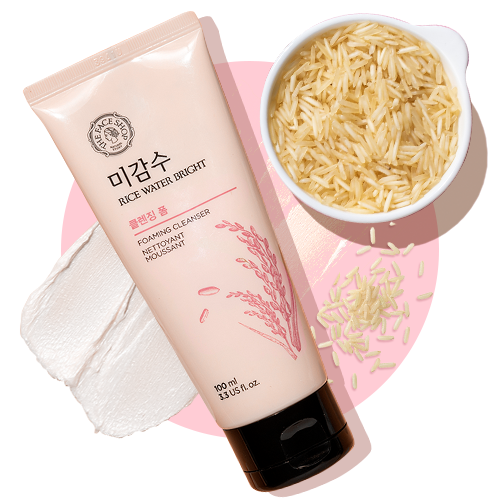
Before hydration comes cleansing. For dry skin, you want to avoid stripping natural oils. A double cleanse is great, specifically starting with a rich cleansing oil that melts away makeup and pollution without leaving your face feeling like sandpaper.
Step 2: The "3-Second Rule" (Apply on Damp Skin)
This is the golden rule. Never apply moisturizer to bone-dry skin.
Moisturizers work best when they have water to lock in. After patting your face (barely dry), immediately apply your toner or a serum for dry skin. While your face is still slightly tacky or damp from the serum, reach for your cream.
Step 3: Warm and Press, Don't Rub
Instead of rubbing the product vigorously:
- Take a coin-sized amount of your moisturizer for dry skin.
- Warm it between your fingertips for 5-10 seconds. This matches the product to your body temperature, allowing it to melt into pores rather than sitting on top.
- Press the cream into your cheeks, forehead, and chin using the palms of your hands.
Step 4: Don't Forget the Neck and Peripherals
Dryness often shows up first around the nose and on the neck. Ensure you extend your winter dry skin cream down to your décolletage to prevent early signs of aging.
Choosing the Right Ingredients for Indian Weather
The best dry skin moisturizer changes based on the season.
- Monsoon/Summer: Look for Hyaluronic Acid and lightweight emulsions.
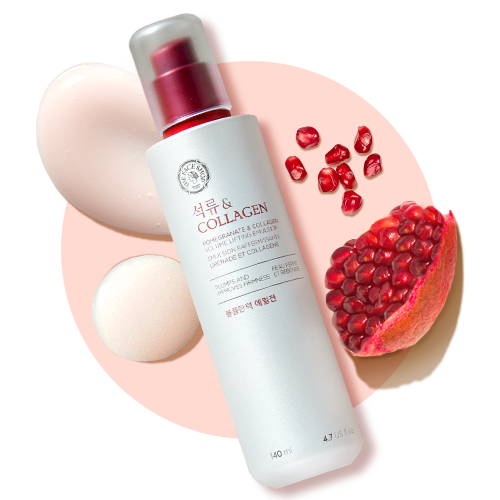
- Winter: You need heavy-hitters like Ceramides, Shea Butter, or a collagen cream to rebuild the barrier.
If you prefer clean beauty, a natural dry skin moisturizer with ingredients like mango seed butter or olive oil is excellent for sensitivity.
The AM/PM Difference
Your routine should adapt to the time of day:
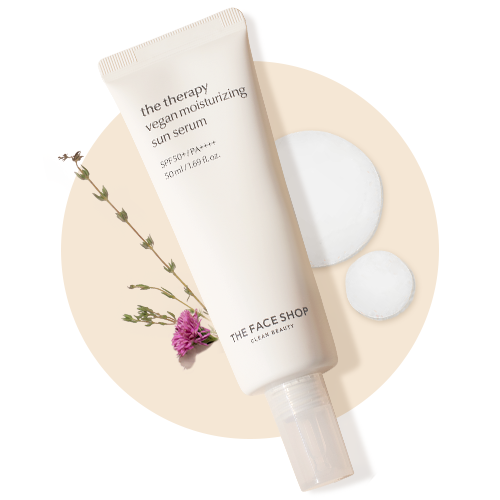
- AM Routine: Focus on protection. After moisturizing, always finish with SPF. If you hate layering, a tinted sunscreen can act as a hybrid makeup-skincare step.
- PM Routine: This is for repair. Use a thicker, fragrance-free dry skin moisturizer or a sleeping mask to heal the skin overnight.
For a complete breakdown of timing your products, check out this guide on a balanced am pm skincare routine.
FAQ: Common Dry Skin Questions
Q: Can I put moisturizer on without washing my face?
A: It is not recommended. Applying moisturizer over dirt and sweat can clog pores. At the very least, rinse with water before applying a dermatologist dry skin moisturizer.
Q: How much moisturizer should I use for dry skin?
A: Generally, a nickel-sized amount is sufficient for the face. If your skin drinks it up immediately, add a second thin layer.
Q: Should I use gel or cream for dry skin?
A: Creams are usually better for dry skin as they contain more oil content to seal moisture. Gels are typically better for oily skin, though some cream-gels work well for dehydrated skin.
Q: Why does my face sting when I apply moisturizer?
A: This often means your skin barrier is damaged (micro-tears). Switch to a gentle, fragrance-free option until the barrier repairs itself.
Conclusion
Achieving a flawless base isn't about expensive makeup; it's about prepping your canvas. By applying your hydrating dry skin cream to damp skin and using the press-and-pat technique, you ensure your skin stays supple all day long. Remember, hydration is a marathon, not a sprint.