

Navigating the skincare aisle can feel like a daunting task, especially when you have reactive skin. If you live in India, your skin is constantly battling extreme heat, intense humidity, harsh winters, and rising pollution levels. When your skin barrier is compromised, choosing the right hydration is critical. But when you look at the labels, you are often hit with two confusing terms: "fragrance-free" and "hypoallergenic."
Which one should you choose? What do these terms actually mean for your skin barrier? In this comprehensive guide, we will decode the labels and help you find the absolute best sensitive moisturizer for your unique skin type.
Decoding the Labels: What Do They Actually Mean?
To make an informed choice, you first need to understand the science behind skincare labeling. Here is what dermatologists want you to know:
What is a Fragrance-Free Moisturizer?
Many people assume that "unscented" and "fragrance-free" are the same thing. They are not. An "unscented" product may contain masking chemicals to hide the smell of raw ingredients, which can still trigger a reaction. A true fragrance-free moisturizer contains absolutely no added artificial or natural fragrances.
Since synthetic fragrances and essential oils are the leading causes of contact dermatitis, a fragrance-free option is highly recommended for reactive skin.
What is a Hypoallergenic Moisturizer?
When a product is labeled as a hypoallergenic moisturizer, it means the formulation is designed to minimize the risk of an allergic reaction. The brand has intentionally excluded common allergens, such as certain preservatives, dyes, and harsh botanicals. While no product can be 100% allergy-proof for every single person on earth, hypoallergenic products are formulated to be as safe and gentle as possible.
Why Indian Sensitive Skin Needs Special Care
Indian skin has a higher melanin content, which means when sensitive skin gets irritated or inflamed, it is highly prone to Post-Inflammatory Hyperpigmentation (PIH). Simply put: irritation today becomes dark spots tomorrow.
- High Humidity & Sweat: Can lead to clogged pores and fungal acne if your moisturizer is too heavy.
- Pollution & Dust: Break down the skin's natural lipid barrier, leading to micro-tears and redness.
- Hard Water: Tap water in many Indian cities strips the skin of its natural oils.
To combat this, you need a targeted sensitive skin moisturizer that acts as a shield, repairing the barrier without suffocating the pores.
How to Choose the Best Moisturizer for Your Skin Type
Not all sensitive skin is the same. You must match your skin's hydration levels to its sensitivity.
1. For Oily and Acne-Prone Sensitive Skin
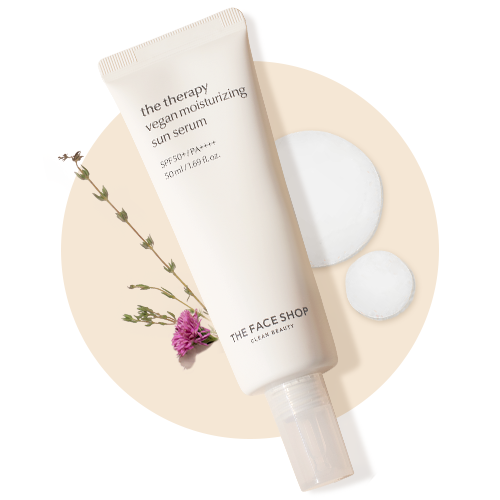
If you live in coastal cities like Mumbai or Chennai, humidity makes your skin greasy but still reactive. You need an oily sensitive moisturizer that is gel-based and non-comedogenic. Look for ingredients like Centella Asiatica (Cica) or green tea extract. During the day, always pair your lightweight moisturizer with a soothing, non-greasy aqua sunscreen to protect against UV rays without clogging pores.
2. For Dry and Flaky Sensitive Skin
If you live in drier regions or spend all day in AC rooms, your barrier is likely depleted of lipids. A dry sensitive moisturizer with rich, repairing ingredients is essential. To lock in moisture and rebuild your skin's defenses, look for a high-quality ceramide moisturizer that replenishes the structural fats of the skin.
3. For the Daily Wear & Tear
When applying makeup or going out, you expose your sensitive skin to more potential irritants. Ensure that your nighttime routine includes taking off the day's grime with a gentle, oil-based makeup remover that doesn't strip the skin, followed by your trusted moisturizer sensitive face cream.
Dermatologist Tips for Soothing Irritated Skin
- Always Patch Test: Before applying a new cream all over your face, test it behind your ear for 24 hours.
- Less is More: Stick to a simple routine. Cleanser, dermatologist sensitive moisturizer, and SPF are all you really need.
- Apply on Damp Skin: Maximize hydration by applying your moisturizer within 60 seconds of washing your face.
Frequently Asked Questions (FAQ)
Q1: Can I use a hypoallergenic moisturizer if I have acne? Yes! In fact, it is highly recommended. Acne-prone skin is inherently inflamed, so a hypoallergenic, non-comedogenic moisturizer will hydrate your skin without causing further breakouts or allergic reactions.
Q2: Is a fragrance-free moisturizer better than a hypoallergenic one? Ideally, if you have extremely sensitive skin, you should look for a product that is both. However, if you have to choose, prioritizing a fragrance-free label is the best first step, as fragrance is the #1 skin sensitizer.
Q3: What is the best sensitive moisturizer for Indian weather? It depends on the season. Use a lightweight, gel-based lotion in the sticky monsoon and summer months, and switch to a thicker cream infused with ceramides and panthenol during harsh winters.
Conclusion
Managing sensitive skin in India doesn't have to be a lifelong struggle of trial and error. By understanding the critical differences between fragrance-free and hypoallergenic formulas, you can protect your delicate skin barrier. Always prioritize gentle, barrier-repairing ingredients to keep your skin plump, calm, and radiant.