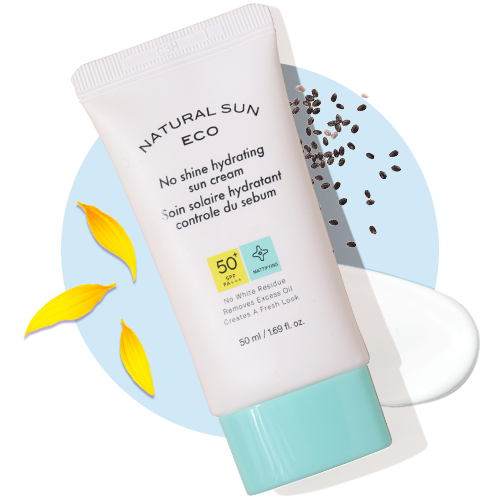


If you live in India, you know the struggle: 10 minutes outdoors in the humid heat, and your face feels like an oil slick. For years, people with oily or acne-prone skin have skipped sun protection because of the dreaded "grease factor." But as we approach 2026, the skincare narrative is shifting. The era of thick, white-cast creams is over.
Today, we are looking at next-generation formulations designed specifically for the Indian climate. Here is how to future-proof your skin with the latest trends and ingredients in sunscreen for oily skin.
Why Traditional SPFs Failed Oily Skin Types
Historically, sunscreens relied on heavy occlusives to trap UV filters on the skin. For dry skin, this is great. For oily skin in Mumbai or Delhi humidity? It’s a recipe for clogged pores and breakouts. The user intent is clear: you want protection without the shine.
The 2026 Shift: Trends Dominating the Indian Market
1. The Rise of "Air-Fit" and Gel Textures
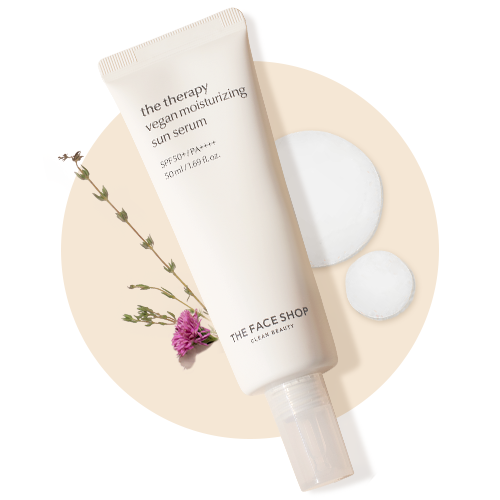
Gone are the days of heavy creams. The future is gel sunscreen for oily skin. These water-based formulas absorb instantly, leaving zero residue. They cool the skin upon application, a blessing during Indian summers.
2. Hybrid Filters (The Best of Both Worlds)
Modern formulations now mix physical blockers (Zinc Oxide) with advanced chemical filters. This provides broad-spectrum protection without the chalky white cast, making it the best sunscreen oily skin users can find for darker Indian skin tones.
3. Skincare-Infused Sun Protection
By 2025, a sunscreen won't just be a shield; it will be a treatment. Look for specific ingredients:
- Niacinamide: To control sebum production.
- Centella Asiatica (Cica): To soothe inflammation caused by heat.
- Silica: To physically absorb excess oil throughout the day.
Essential Ingredients for Oil Control
When shopping for an oily skin sunscreen in India, flip the bottle and check the label for these non-negotiables:
- Sebum-Regulating Polymers: These create a breathable mesh that holds back oil.
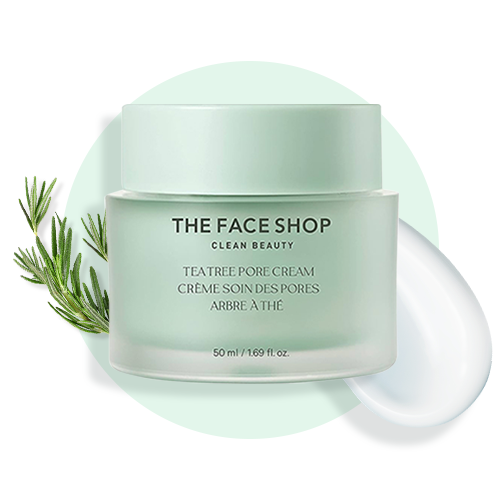
- Tea Tree or Eucalyptus: Antimicrobial properties that prevent acne under the mask of SPF.
- Hyaluronic Acid: Oily skin needs hydration, not oil. This keeps water content high so the skin doesn't overproduce oil to compensate.
Top Product Recommendations for Matte Results
Finding the right product is half the battle. Here are the formats you should be integrating into your routine:
The Daily Defender
For everyday wear, you need a Sunscreen for Oily Skin that acts as a primer. Look for "No Shine" or "Sebum Control" on the label. These formulas lock in skincare while keeping environmental pollutants out.
The Reapplication Hero
Reapplying lotion over makeup is messy. The trend for 2025 is the mattifying sunscreen in powder form. It absorbs mid-day grease and tops up your SPF protection without disturbing your foundation.
The Removal Process
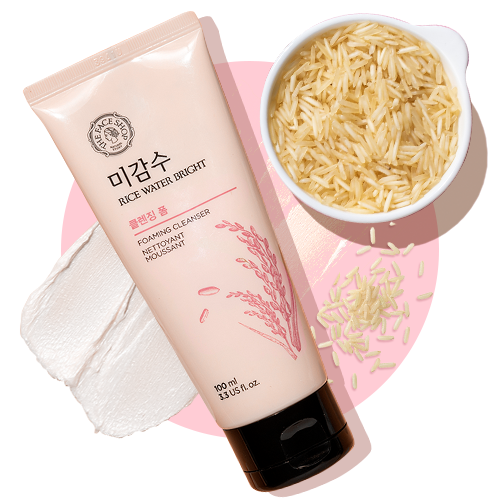
Use a long-wear, water-resistant sunscreen? You must double cleanse. Using a Deep cleansing oil ensures all traces of SPF and sebum are removed at night, preventing clogged pores.
FAQ: Expert Answers on Oily Skin Sun Protection
Q1: Will higher SPF make my skin oilier?
A: Not necessarily. The oiliness depends on the vehicle (base) of the cream, not the SPF number. A gel-based SPF 50 will feel lighter than a cream-based SPF 30. Always choose oil control sunscreen formulations.
Q2: How much sunscreen should I apply to an oily face?
A: The two-finger rule applies to everyone. Squeeze two strips of sunscreen on your index and middle fingers. It might look like a lot, but a non greasy sunscreen will absorb within 60 seconds.
Q3: Can I skip moisturizer if my sunscreen is hydrating?
A: Yes! In humid Indian weather, a high-quality, lightweight sunscreen can double as your morning moisturizer. If you prefer separate layers, try a lightweight sunscreen over a water-based serum.
Q4: Does indoor lighting affect oily skin?
A: Yes. Blue light from screens can cause oxidative stress. Wear a broad-spectrum SPF even indoors.
Conclusion
By 2026, having oily skin shouldn't be an excuse to skip sun protection. With the rise of matte finishes, powder formats, and skincare hybrids, you can protect your skin from aging and pigmentation while staying shine-free. Focus on ingredients like silica and niacinamide, and switch to gel textures to future-proof your complexion.