
Quick Summary
Frustrated by dull, uneven Indian skin? Discover why quick fixes fail and which dermatologist-approved actives truly deliver radiance and even tone for Indian skin.
The 'Glow-Up' Myth: Why Your Skin Isn't Radiant and The Actives Indian Dermatologists Actually Recommend
Have you ever wondered why your skin still looks dull, patchy, or uneven despite trying every trending 'glow-up' hack? If you’re an Indian consumer, you’re not alone. Many quick fixes promise instant radiance but rarely deliver lasting results—especially for Indian skin, which faces unique challenges like pollution, humidity, and a high risk of pigmentation. Let’s break down the myths and reveal the dermatologist-approved actives that truly work for Indian skin.
Why Indian Skin Looks Dull: The Real Culprits
Indian skin is naturally rich in melanin, which offers some sun protection but also makes it more prone to hyperpigmentation and uneven tone. Add to this the effects of urban pollution, hard water, and a tropical climate, and you have a recipe for dullness. According to a 2022 survey by Nykaa, over 60% of Indian women cite 'dull skin' as their top skincare concern. Common causes include:
- Sun exposure: Even short daily exposure can trigger melanin production, leading to patchiness.
- Pollution: Fine particles clog pores and accelerate oxidative stress, making skin look tired.
- Dehydration: Air conditioning and hard water strip away moisture, leaving skin lackluster.
- Improper cleansing: Residual makeup and sunscreen can build up, blocking radiance.
Understanding these triggers is the first step to building a routine that delivers real, visible results.
Debunking the 'Glow-Up' Quick Fixes
Social media is full of viral hacks—DIY lemon masks, overnight toothpaste spot treatments, or 'miracle' fairness creams. Most of these are not only ineffective but can actually harm Indian skin. For example, lemon juice can cause irritation and worsen pigmentation, especially for deeper skin tones. Dermatologists in India caution against using harsh scrubs or untested home remedies, as these can disrupt the skin barrier and trigger more dark spots.
- Stick to evidence-based ingredients rather than trends.
- Always patch test new products, especially if you have sensitive or combination skin.
Instead of chasing instant results, focus on actives with proven benefits for Indian skin concerns.
Vitamin C: The Brightening Powerhouse for Indian Skin
Vitamin C is one of the most recommended actives by Indian dermatologists for dullness and uneven tone. It works by inhibiting melanin production and neutralizing free radicals caused by pollution and UV rays. Clinical studies show that consistent use of a 10-20% Vitamin C serum can visibly brighten skin and fade pigmentation within 8-12 weeks.
For Indian skin, look for stabilized forms like L-ascorbic acid or sodium ascorbyl phosphate. Pair with sunscreen for best results. Many Indian users report that Vitamin C serums under ₹1500 can deliver results comparable to luxury brands, making it a high-value investment.
Explore our Brightening Skincare for Dull & Tired Skin collection for Vitamin C-rich options tailored for Indian skin.
Niacinamide: The Multi-Tasker for Even Tone
Niacinamide (Vitamin B3) is gaining popularity in India for its ability to reduce pigmentation, control oil, and strengthen the skin barrier. Studies published in the Indian Journal of Dermatology confirm that 5% niacinamide can significantly reduce dark spots and improve overall skin clarity in Indian skin types.
- Gentle enough for daily use, even for sensitive skin.
- Helps minimize redness and supports barrier repair—important for those living in polluted cities like Delhi or Mumbai.
Look for serums or moisturizers with 5-10% niacinamide for best results. Many Indian brands offer these at under ₹800, making them accessible for most budgets.
Alpha Arbutin and Licorice: Targeted Solutions for Stubborn Pigmentation
Alpha arbutin and licorice extract are two actives that specifically target hyperpigmentation—a top concern for Indian skin. Alpha arbutin inhibits melanin synthesis, while licorice extract soothes inflammation and fades dark spots. Dermatologists often recommend these for stubborn marks left by acne or sun exposure.
- Use a serum with 2% alpha arbutin or a moisturizer containing licorice extract for visible results in 6-10 weeks.
- Combine with sunscreen to prevent recurrence of pigmentation.
These actives are often found in mid-range products (₹600–₹1500), making them a smart addition to your routine without breaking the bank.
Exfoliating Acids: AHA, BHA, and PHA for Brighter Skin
Exfoliation is crucial for removing dead skin cells and boosting radiance. However, Indian skin can be sensitive to harsh scrubs. Chemical exfoliants like AHAs (glycolic, lactic acid), BHAs (salicylic acid), and PHAs offer a gentler, more effective alternative.
- AHAs: Best for dry to normal skin; help fade pigmentation and smooth texture.
- BHAs: Ideal for oily, acne-prone skin; penetrate pores to clear congestion.
- PHAs: Suitable for sensitive skin; offer mild exfoliation with added hydration.
Start with once-a-week use and gradually increase frequency. Products with 5-10% AHA or 2% BHA are generally well-tolerated by Indian skin. Always follow with sunscreen, as exfoliation increases sun sensitivity.
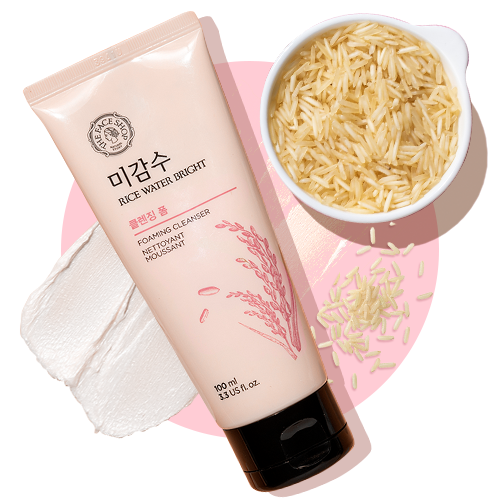
Ceramides and Rice Extract: The Barrier-Boosting Duo
Many Indians overlook the importance of a healthy skin barrier. Ceramides and rice extract are two ingredients that lock in moisture and protect against environmental stressors. Studies show that regular use of ceramide creams can reduce dryness and sensitivity, especially during Indian winters or in air-conditioned environments.
- Rice extract is rich in antioxidants and has been used in Asian skincare for centuries to brighten and soothe skin.
- Ceramide creams are suitable for all skin types and especially beneficial for those with dry or combination skin.
Try the Ceramide & Rice Moisturizing Cream for a dermatologist-backed solution that fits Indian routines and budgets (typically under ₹1200 for 50ml).
How to Build an Effective Routine for Indian Skin
Consistency is key. Here’s a simple, evidence-based routine tailored for Indian skin:
- Cleanser: Use a gentle, sulfate-free cleanser morning and night.
- Vitamin C serum: Apply in the morning for antioxidant protection.
- Niacinamide or Alpha Arbutin serum: Use in the evening to target pigmentation.
- Ceramide moisturizer: Lock in hydration and support the skin barrier.
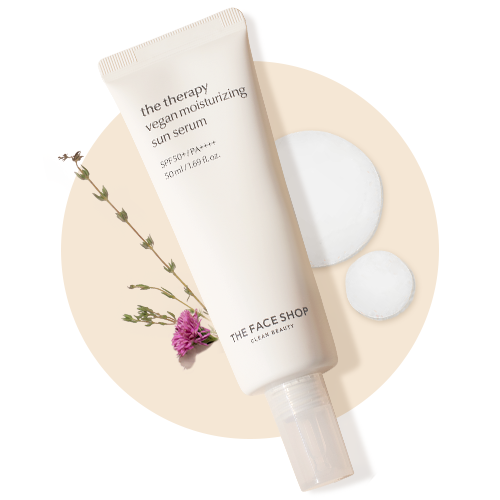
- Sunscreen: Broad-spectrum SPF 30+ is non-negotiable, even indoors.
- Exfoliant: Use an AHA/BHA/PHA product once or twice a week.
For those looking to simplify, consider curated Kits & Combos that address dullness and pigmentation with dermatologist-approved actives.
What to Avoid: Common Pitfalls for Indian Skin
Not all actives are created equal, and some can do more harm than good for Indian skin:
- Hydroquinone: While effective, it can cause rebound pigmentation if overused or unsupervised.
- Physical scrubs: Can cause microtears and worsen pigmentation.
- Alcohol-heavy toners: Strip moisture and disrupt the skin barrier.
- Skipping sunscreen: Undermines the benefits of all brightening actives.
Always consult a dermatologist before starting potent actives, especially if you have a history of sensitivity or allergies.
Real Results: What to Expect and When
Patience pays off. Most dermatologist-recommended actives show visible improvement in 6-12 weeks, not overnight. Indian skin may take longer to respond due to higher melanin content, but consistent use delivers lasting results. Track your progress with photos and adjust your routine based on seasonal changes or new concerns.
- Expect mild tingling or purging in the first few weeks—this is normal.
- If irritation persists, reduce frequency or consult a professional.
Remember, glowing skin is a journey, not a sprint. Choose actives that suit your skin type, climate, and budget for the best results.
FAQ
How long does it take to see results from actives like Vitamin C or niacinamide?
Most users see visible improvement in 6-12 weeks with consistent use. Indian skin may take slightly longer due to higher melanin content, but patience and regular application deliver lasting results.
Are chemical exfoliants safe for Indian skin?
Yes, when used as directed. Start with low concentrations (5-10% AHA or 2% BHA) once a week and increase gradually. Always follow with sunscreen to prevent sensitivity.
Can I use multiple actives together in my routine?
Yes, but introduce one new active at a time and monitor for irritation. For example, use Vitamin C in the morning and niacinamide or alpha arbutin in the evening. Avoid layering strong acids with retinol or Vitamin C.
What is the best way to prevent pigmentation in Indian skin?
Daily use of broad-spectrum sunscreen is the most effective prevention. Combine with actives like Vitamin C, niacinamide, and licorice extract for best results.
Are there affordable options for these actives in India?
Absolutely. Many Indian and Korean brands offer high-quality actives under ₹1500. Look for stabilized formulas and check ingredient lists for concentrations.