

Winter in India brings a unique set of challenges. Whether you are dealing with the dry, biting winds of Delhi or the deceptively mild but dehydrating air in Mumbai, your skin barrier takes a hit. The result? Flaky patches, ashiness, and a lackluster complexion.
Many people buy the best winter cream, slap it on dry skin, and wonder why they still feel tight an hour later. The secret isn't just what you use, but how you use it. As a skincare professional, I’ve seen that technique accounts for 50% of your results.
Here is the definitive guide to applying winter face cream to lock in moisture and achieve that coveted glass-skin glow, tailored for Indian skin types.
Why Your Summer Moisturizer Won't Cut It
In summer, we focus on lightweight gels to combat humidity. In winter, the humidity drops drastically. You need a dry skin cream that functions as an occlusive—meaning it creates a seal over the skin to prevent Transepidermal Water Loss (TEWL).
If you simply apply a light lotion, the dry air will evaporate the water content from your skin. You need a formula rich in ceramides, fatty acids, or shea butter found in a dedicated winter face cream to repair the barrier.
The 5-Step Application Method for Maximum Glow
To get the most out of your product, follow this specific layering technique:
1. The "3-Second Rule"
Timing is everything. After cleansing, do not towel dry your face completely. Your skin is most permeable when it is damp. Apply your skincare within 3 seconds of washing your face.
2. Layering Actives Correctly
If you are tackling specific concerns like dullness or dark spots, apply your actives first. A thin layer of serum for pigmentation penetrates deeper when applied before heavy creams. Let it sit for a minute.
3. The Warm-Up Technique
This is a game-changer for thick cold cream in India.
- Scoop a dime-sized amount of cream.
- Rub it between your palms for 5-10 seconds.
- Why? Warming the product creates an emulsion that melts into the pores rather than sitting on top of them like a greasy mask.
4. Press, Don't Rub
Instead of dragging your skin (which causes micro-tears), gently press the warmed cream into your cheeks, forehead, and chin. Use an upward, sweeping motion to boost circulation and lymphatic drainage. This technique transforms a basic application into a mini-facial.
5. The "Sun" Seal
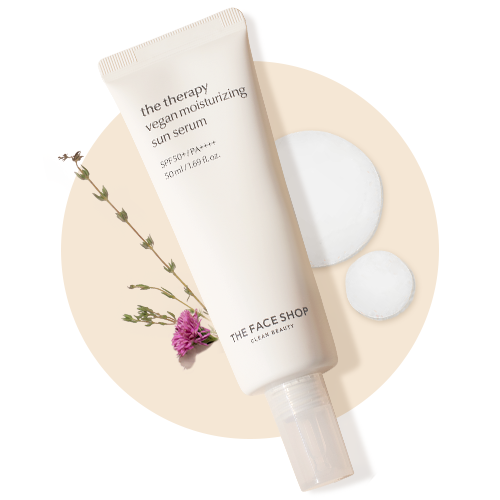
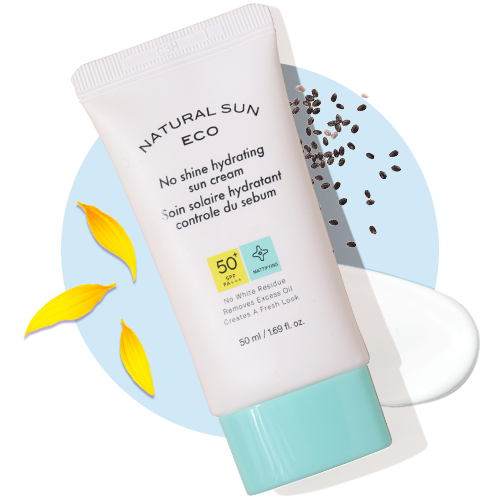
There is a myth that you don't need sun protection in winter. This is false. Winter sun in India can be harsh, and UV rays reflect off surfaces. Once your moisturizer is absorbed, always seal your routine with a sunscreen spf 50. This prevents the sun from undoing the hydration work you just did.
Troubleshooting: "My Face Looks Oily, But Feels Dry"
This is a common complaint with face cream winter routines. It usually happens because dead skin cells are blocking absorption.
- Exfoliate Wisely: Use a mild chemical exfoliant once a week.
- Hydration Sandwich: Use a hydrating toner, then your cream, and top with a facial oil if you are extremely dry.
FAQ: Winter Skincare for Indian Skin
Q1: Can I use winter face cream if I have acne-prone skin?
A: Yes, but choose wisely. Look for "non-comedogenic" on the label. Even oily skin gets dehydrated in winter, which triggers more oil production. A hydrating gel-cream is often better than a heavy wax-based cold cream for acne types.
Q2: How often should I reapply moisturizer in winter?
A: If you work in an air-conditioned office or use a heater, reapply a light layer mid-day. Keeping a mist or a light version of your winter moisturizer in your bag is a great habit.
Q3: What is the difference between cold cream and moisturizer?
A: Traditional cold cream in India is an emulsion of water and oil (often beeswax) designed to clean or heavily moisturize. A standard moisturizer absorbs faster. For severe dryness, cold creams are superior for night use.
Q4: Should I buy winter cream with SPF?
A: While convenient, a separate SPF is better. You likely won't apply enough moisturizer to get the full sun protection stated on the label. Use a dedicated hydrating face cream winter formula and layer SPF on top.
Conclusion
Don't let the winter season steal your glow. By switching to a richer hydrating face cream and applying it to damp, prepped skin, you can maintain a plump, healthy complexion all season long. Remember, the best winter cream is the one you apply consistently with the right technique.