

If you have sensitive skin in India, you know the struggle is real. Between the scorching summer heat, the humidity of the monsoons, and the rising pollution levels in our cities, your skin barrier goes through a daily battle. One wrong move with a harsh product, and you are left with redness, stinging, or a breakout.
The most critical step in your skincare routine is often the one we overlook: cleansing. Choosing the right mild face wash India has to offer isn't just about cleaning dirt; it's about protecting your skin's delicate ecosystem.
In this guide, we break down exactly how to select a non irritating cleanser that purifies without stripping, backed by dermatological insights.
Why Indian Sensitive Skin Needs Special Care
Sensitive skin is characterized by a weakened lipid barrier. In the Indian context, this is exacerbated by hard water (common in many metro cities) and environmental pollutants. These factors disrupt the skin's natural pH, leading to irritation.
Therefore, a generic soap or a high-foaming face wash is the enemy. You need a formula that removes grime while depositing hydration.
The Checklist: What Makes a Cleanser "Mild"?
Not all products labeled "natural" are safe for sensitive skin. Here is the expert checklist for finding a gentle face cleanser:
1. Check the pH Balance
Our skin is naturally acidic (around pH 5.5). Traditional soaps are alkaline (pH 9-10), which destroys the acid mantle. Always look for a pH balanced cleanser that mimics the skin’s natural acidity to prevent bacterial growth and irritation.
2. Look for Barrier-Repairing Ingredients
Avoid stripping ingredients like SLS (Sodium Lauryl Sulfate). Instead, scan the label for:
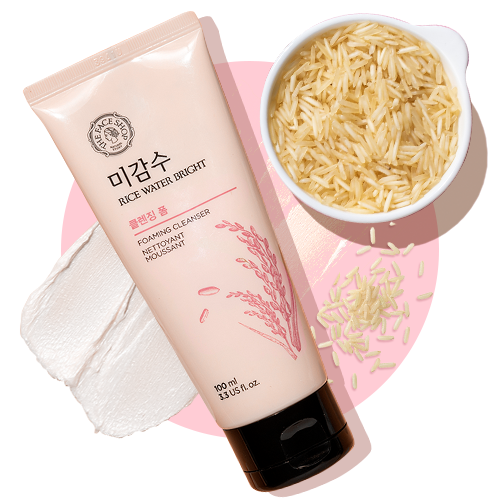
- Ceramides & Rice Water: These help strengthen the skin barrier.
- Panthenol (Vitamin B5): Excellent for soothing inflammation.
- Centella Asiatica (Cica): A hero ingredient for calming redness.
If you are looking for a curated option, this cleanser for sensitive skin is formulated specifically to maintain hydration while cleansing effectively.
3. Fragrance-Free is the Way to Be
While a nice smell is pleasant, synthetic fragrances are the number one cause of contact dermatitis. Opt for a fragrance free cleanser or one derived from natural, non-volatile botanical sources.
The Double Cleansing Debate
With Indian pollution levels, is one wash enough? For sensitive skin, over-washing is a risk. However, leaving sunscreen and pollution on the skin is worse.
The solution is the "Double Cleanse" method, especially in the evenings. Start with a gentle cleansing oil to dissolve oil-based impurities (like makeup and sebum) without tugging. Follow this up with your water-based face wash sensitive skin friendly formula.
Post-Cleanse Care: Don't Skip This
A best sensitive cleanser prepares the canvas, but what you put on afterwards matters just as much.
- Damp Skin Rule: Apply your next step while your skin is still slightly damp.
- Moisturize: Immediately lock in moisture. For sensitive skin, barrier repair is key. We highly recommend pairing your cleanser with ceramide rice moisturizers to replenish lipids lost during the day.
- Routine Consistency: Stick to a structured am pm skincare routine. Constantly changing products can trigger sensitivity.
FAQ: Common Questions About Sensitive Skin Cleansing
Q: How do I know if a cleanser is too harsh for me?
A: If your skin feels "squeaky clean," tight, or itchy immediately after washing, the cleanser is too harsh. Your skin should feel soft and supple after using a mild face wash India specific product.
Q: Can I use a sensitive skin cleanser if I have acne?
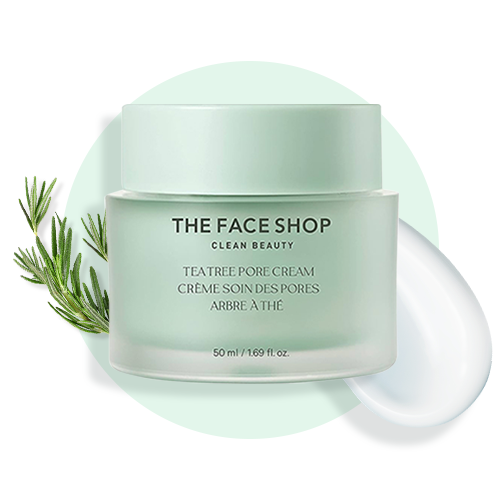
A: Yes, but ensure it is non-comedogenic. Often, harsh acne treatments damage the barrier, causing more breakouts. If you have active flare-ups, you might alternate with a specific cleanser for acne-prone skin that contains soothing agents like tea tree alongside gentle surfactants.
Q: How often should I wash my face?
A: Twice a day is standard. However, if your skin is extremely dry and sensitive, you can rinse with just lukewarm water in the morning and use your gentle face cleanser at night.
Q: Is foaming bad for sensitive skin?
A: Not necessarily. While high-foaming sulfates (SLS) are bad, many modern cleansers use coconut-derived surfactants that create a mild foam without irritation.
Conclusion
Finding the holy grail sensitive skin cleanser in India requires looking past the marketing hype and reading the ingredient list. Prioritize pH balance, lack of fragrance, and barrier-supporting ingredients. By respecting your skin's barrier, you ensure a healthy, glowing complexion regardless of the climate.