

Is your skin feeling unusually tight, itchy, or looking red and inflamed? Living in India, between the scorching sun, rising pollution levels, and the humidity, our skin takes a beating every single day. If your usual go-to products are suddenly stinging, you might be dealing with a compromised skin barrier.
Don't panic this is fixable. The secret weapon creating a buzz in the Indian beauty community isn't a harsh active ingredient; it’s the soothing, strengthening combination found in ceramide-rice moisturizers.
In this guide, we dive deep into how to identify a damaged barrier and how to build a routine using Korean skincare staples to restore your glow.
What is the Skin Barrier and Why Does it Break?
Think of your skin barrier as a brick wall. The skin cells are the bricks, and the lipids (oils) are the mortar holding them together. When that mortar breaks down due to over-exfoliation, harsh weather, or pH imbalance, the wall develops cracks. Moisture escapes, and irritants get in.
Common Signs of a Damaged Barrier:
- Persistent Redness: Your face looks flushed without reason.
- Dehydration: Skin feels oily but tight (often confused with just having oily skin).
- Stinging: Even gentle water or toners cause a burning sensation.
- Breakouts: Sudden clusters of acne due to bacteria entering the skin.
The Power Duo: Ceramides + Rice Extract
Why is everyone talking about this specific combination?
- Ceramides: These are lipids that naturally make up about 50% of your skin's composition. Applying a ceramide moisturizer in India essentially refills the "mortar" in your brick wall, sealing cracks instantly.
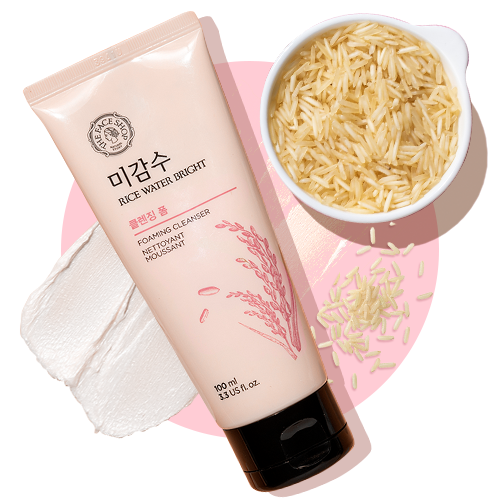
- Rice Extract: A staple in Asian beauty for centuries. Rice water is rich in vitamins B and E, offering brightening properties and deep hydration without heaviness.
When combined, as seen in The Face Shop moisturizer ranges, you get repair and radiance simultaneously.
Step-by-Step Routine to Repair Your Barrier
When your barrier is compromised, less is more. Follow this simple routine.
Step 1: Gentle Cleansing
Stop using stripping face washes. If you wear makeup or heavy sunscreen, consider starting with a gentle cleansing oil to melt away debris without harsh rubbing. Follow up with a mild water-based cleanser. If your skin is reacting to everything, switch to a dedicated cleanser for sensitive skin until the redness subsides.
Step 2: Hydration Layering
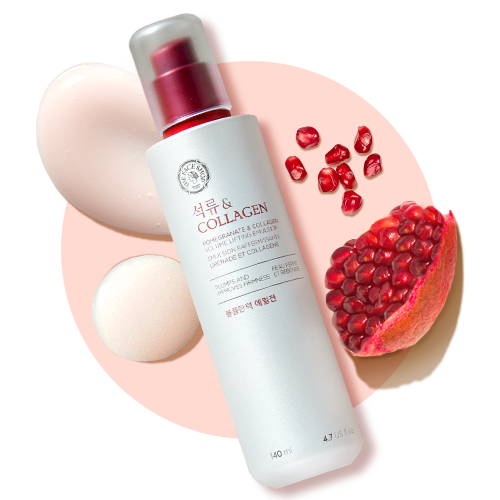
Skip the exfoliating acids (AHAs/BHAs) for now. Instead, use a hydrating toner or a serum for dull skin that focuses on ingredients like Hyaluronic Acid or Glycerin.
Step 3: Seal with a Rice Ceramide Cream
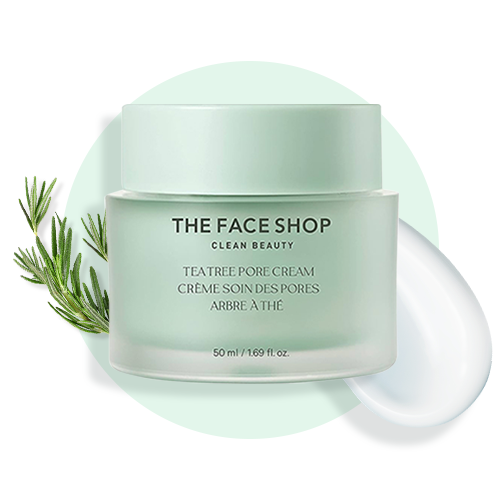
This is the most critical step. You need a skin barrier repair cream that locks everything in. Apply a generous layer of rice ceramide cream to damp skin.
- Why it works: The rice extract brightens the dullness caused by dehydration, while the ceramides rebuild the protective layer.
- Texture: Look for a texture that is creamy but absorbs well, typical of a high-quality Korean ceramide moisturizer.
Step 4: Sun Protection
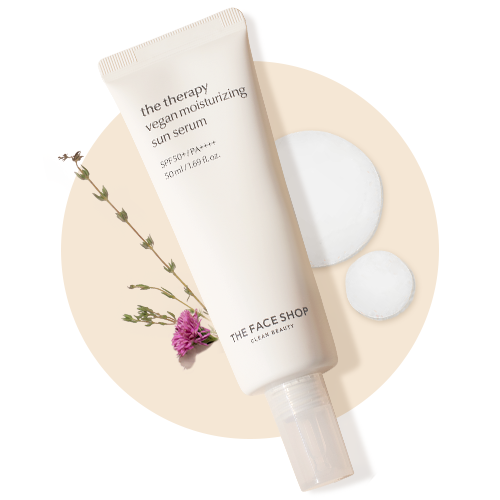
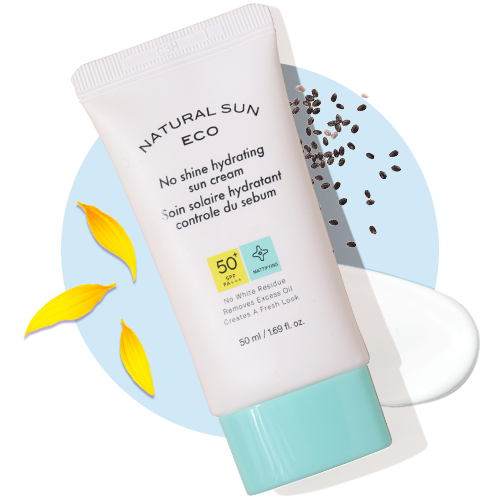
Never skip sunscreen, even if you are indoors. UV rays further degrade the barrier proteins.
Who Should Use Ceramide-Rice Moisturizers?
- Dry to Very Dry Skin: This is your holy grail moisturizer for dry skin. It provides the heavy-duty lipid replacement you lack naturally.
- Sensitive Skin: Because rice and ceramides are bio-compatible, this is an excellent moisturizer for sensitive skin that calms inflammation.
- Combination Skin: If you have an oily T-zone but dry cheeks, use this cream at night. If you are extremely oily, you might prefer a lighter oil free moisturizer for daytime use, keeping the ceramide cream for PM repair.
Frequently Asked Questions (FAQs)
Q: How long does it take to repair a damaged skin barrier?
A: It typically takes 2 to 4 weeks of consistent care. You must stop using retinol, Vitamin C, and exfoliating acids during this period to allow the skin to heal.
Q: Can I use rice ceramide cream on oily acne-prone skin?
A: Yes, but monitor the texture. Ceramides are beneficial for all skin types, but if the cream is very thick, use it as a night cream. Ensure you are using a cleanser for acne-prone skin to keep pores clear.
Q: Is rice water good for Indian skin tones?
A: Absolutely. Rice water helps with hyperpigmentation and dullness, which are common concerns for Indian skin due to high sun exposure.
Q: What is the difference between a regular moisturizer and a barrier repair cream?
A: Regular moisturizers hydrate the surface. Barrier repair creams contain physiological lipids (Ceramides, Cholesterol, Fatty Acids) in specific ratios to physically repair the skin structure.
Conclusion
Repairing your skin barrier doesn't require a 10-step routine; it requires the right ingredients. By incorporating a hydrating face moisturizer enriched with rice and ceramides, you are giving your skin the tools it needs to heal itself. Be patient, keep it simple, and let the glow return.