

If you have ever battled stubborn acne scars or noticed uneven patches on your cheeks after a summer holiday in Goa, you are not alone. Indian skin is rich in melanin, which gives us a beautiful natural glow and natural protection against the sun. However, this same melanin makes our skin highly prone to hyperpigmentation. Whether it is Post-Inflammatory Hyperpigmentation (PIH) caused by acne or melasma triggered by hormonal changes, finding the right treatment is crucial.
Navigating the world of skincare actives can be overwhelming. Should you use Vitamin C? What about Niacinamide? This guide breaks down the secrets to selecting the best pigmentation serum specifically tailored for Indian skin types and concerns.
Understanding Why Indian Skin is Prone to Dark Spots
Indian skin typically falls between types III and V on the Fitzpatrick scale. While we age slower than lighter skin tones, our primary concern is usually uneven skin tone rather than wrinkles. When our skin is inflamed due to acne, insect bites, or aggressive scrubbing—the melanocytes (pigment-producing cells) go into overdrive, leaving behind a dark spot serum cannot always fix overnight.
Common Triggers in India:
- UV Exposure: Even on cloudy monsoon days, UV rays stimulate pigment production.
- Pollution: High pollution levels in cities like Delhi and Mumbai cause oxidative stress, leading to dullness.
- Hormonal Changes: PCOD/PCOS often manifests as acanthosis nigricans or melasma.
Key Ingredients to Look For in a Face Pigmentation Serum
When shopping for a face pigmentation serum, ignore the flashy marketing and turn the bottle around to read the ingredients. Here are the gold standards for brightening Indian skin:
- Vitamin C: A powerful antioxidant that inhibits melanin production and brightens the complexion.
- Niacinamide: Excellent for strengthening the skin barrier and fading acne marks.
- Alpha Arbutin: A gentle yet effective ingredient for reducing dark spots.
- Licorice Root Extract: A natural favorite in Ayurveda for soothing and brightening.
How to Choose the Right Serum for Your Skin Type
Not all serums are created equal. Using a heavy oil-based serum on acne-prone skin might worsen the very spots you are trying to cure. Here is how to match the product to your skin type.
1. For Oily and Acne-Prone Skin
Look for lightweight, water-based formulations. Niacinamide is your best friend here as it controls oil while treating spots. A specialized serum for pigmentation containing gentle exfoliants can help unclog pores and fade PIH simultaneously.
2. For Dry and Dehydrated Skin
Pigmentation often looks worse on dry skin because the skin lacks reflection and glow. You need a Serum for Dry Skin that contains Hyaluronic Acid alongside brightening agents. This ensures your barrier remains intact while the actives do their work. Always follow up with a rich moisturizer for dry skin to lock in the treatment.
3. For Sensitive Skin
If your skin turns red easily, avoid high concentrations of Glycolic Acid. Opt for botanical brighteners like White Seed or Licorice. Slowly introduce a skin brightening serum into your routine—start by using it every alternate night.
The Non-Negotiable Rules of Treatment
Using a hyperpygmentation serum is only half the battle. To see real results, you must follow a disciplined routine.
- The AM/PM Split: Use antioxidants (like Vitamin C) in the morning and reparative actives in the evening. Structuring a solid am pm skincare routine ensures you aren't mixing ingredients that cancel each other out.
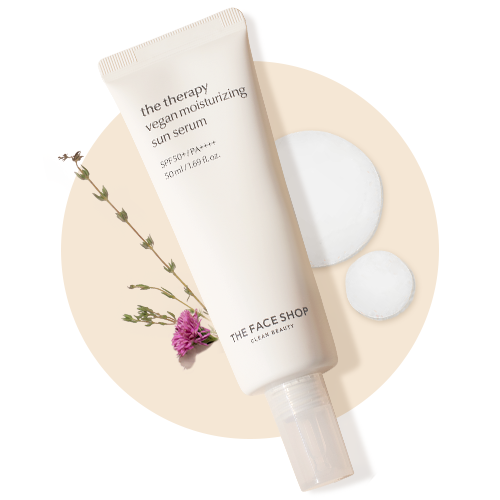
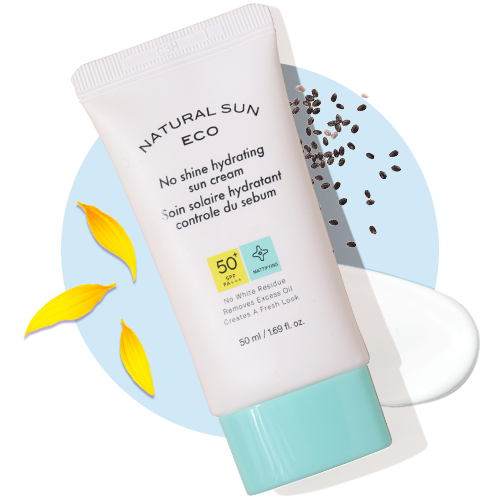
- Sun Protection is Holy Grail: You can buy the most expensive dark spot corrector serum, but it will be useless without sunscreen. For Indian skin tones that fear the white cast, a tinted sunscreen is ideal. It provides iron oxides which protect against visible light—a known trigger for melasma.
- Gentle Cleansing: Aggressive washing irritates the skin, leading to more pigment. Consider the double cleansing method using a cleansing oil to remove sunscreen and pollution thoroughly without stripping the skin.
Frequently Asked Questions (FAQ)
How long does it take for a pigmentation serum to work?
For Indian skin, visible results typically take 6 to 12 weeks of consistent use. Since our skin has more melanin, fading dark spots takes longer than it does for lighter skin tones. Patience and sun protection are key.
Can I use a skin lightening cream with a serum?
Yes, layering is effective. Apply your serum for pigmentation first, let it absorb, and then apply a skin lightening cream. This targets pigment at multiple levels.
Is Vitamin C or Niacinamide better for dark spots?
Both are excellent but work differently. Vitamin C is better for overall brightening and sun damage protection, while Niacinamide is superior for acne-related dark spots and texture. Many modern serums combine both safely.
When should I apply a dark spot corrector serum?
It is generally best applied at night when your skin is in repair mode. However, antioxidant-rich serums (like Vitamin C) are great for the morning under sunscreen.