
Quick Summary
Discover the hidden culprit behind persistent dark spots on Indian skin and learn which science-backed actives can truly fade them. Expert tips, Indian examples, and product picks included.
The 'Invisible' Cause of Stubborn Dark Spots on Indian Skin - And The Actives That Actually Erase Them
Dark spots, or hyperpigmentation, are among the most stubborn skin concerns for Indians. If you’ve tried countless creams and home remedies with little success, you’re not alone. The real reason these spots linger is often overlooked - and the solution lies in understanding both the cause and the right actives to target them. This guide unpacks the science, debunks myths, and offers practical, India-specific advice to help you finally achieve a more even skin tone.
1. The Hidden Culprit: Why Indian Skin Is Prone to Persistent Dark Spots
Most Indians believe sun exposure is the main cause of dark spots. While UV rays are a factor, the real, often invisible culprit is inflammation - from acne, mosquito bites, or even harsh skincare. Indian skin, rich in melanin, reacts to any trauma by producing excess pigment as a defense. This process, called post-inflammatory hyperpigmentation (PIH), is why spots can linger for months or even years.
- Fact: Studies show PIH affects up to 80% of Indian adults with acne (source).
- Counterintuitive tip: Even minor skin irritation (like over-exfoliating or picking pimples) can trigger stubborn spots.
2. Common Mistakes: Why Most Treatments Fail in India
Many over-the-counter creams promise quick results but rarely deliver, especially in the Indian context. Here’s why:
- Wrong actives: Ingredients like hydroquinone are often too harsh for Indian skin and can worsen pigmentation if misused.
- Skipping sunscreen: Without daily SPF, even the best actives can’t prevent new spots from forming.
- Inconsistent routines: Results require patience - most actives need 8-12 weeks of regular use.
India-specific example: A 2022 survey on Nykaa found that 60% of users stopped using pigmentation serums after just two weeks, missing out on visible results.
3. The Science of Actives: What Actually Fades Dark Spots?
Not all ingredients are created equal. For Indian skin, dermatologists recommend focusing on these proven actives:
- Vitamin C: Brightens skin and interrupts melanin production. Look for stable forms like ascorbic acid at 10-20% concentration.
- Niacinamide: Reduces inflammation and blocks pigment transfer. Well-tolerated even by sensitive skin.
- Alpha Arbutin: A gentle, plant-derived alternative to hydroquinone. Fades spots without irritation.
- Retinoids (Retinol, Adapalene): Boost cell turnover, helping fade existing spots and prevent new ones.
- Salicylic Acid: Especially useful for acne-prone skin, it clears pores and reduces PIH risk.
Quick comparison: Vitamin C and niacinamide are best for all skin types; retinoids are more potent but can cause dryness; alpha arbutin suits sensitive skin.
4. How to Build an Effective Anti-Dark Spot Routine for Indian Skin
Consistency is key. Here’s a simple, evidence-based routine tailored for Indian weather and skin tones:
- Gentle Cleanser: Avoid harsh soaps. Try a mild foaming face wash with brightening actives, such as the Vitamin C Brightening Foaming Face Wash (around INR 650 for 150ml).
- Targeted Serum: Apply a serum with vitamin C or niacinamide every morning.
- Moisturizer: Choose a lightweight, non-comedogenic formula. Gel-based moisturizers work well in humid Indian climates.
- Broad-Spectrum Sunscreen: Use SPF 30 or higher, even indoors. This step is non-negotiable for fading spots.
- Night Treatment: Retinoids or alpha arbutin serums can be used at night, starting 2-3 times a week.
Mini-checklist for beginners:
- Introduce one new active at a time.
- Patch test before full application.
- Monitor for irritation and adjust frequency as needed.
5. India’s Top-Rated Actives: What Works (and What to Skip)
With so many options, it’s easy to feel overwhelmed. Here’s a quick guide to popular actives and their INR value:
- Minimalist 10% Vitamin C Face Serum: Potent, stable, and priced around INR 699. Great for beginners.
- Plum 10% Niacinamide Serum: Affordable (INR 450-600), fragrance-free, and suitable for sensitive skin.
- Neutrogena Rapid Tone Repair: Contains retinol, but may be pricier (INR 1200+). Best for persistent spots.
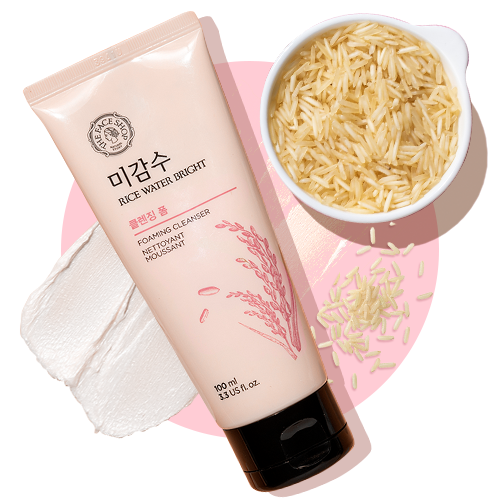
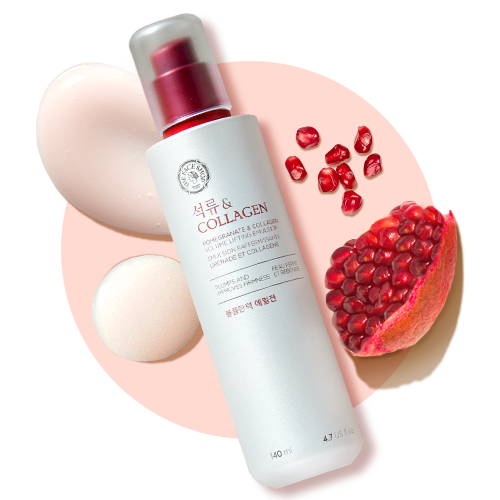
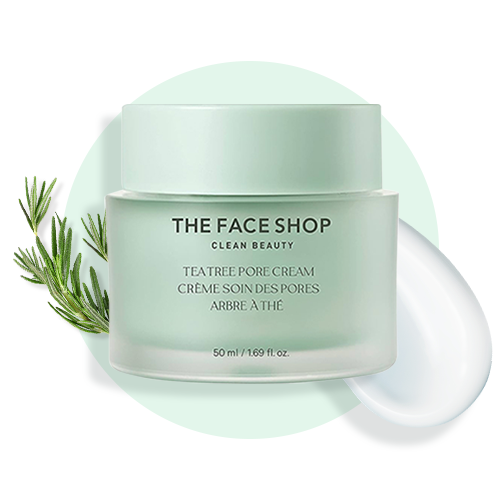
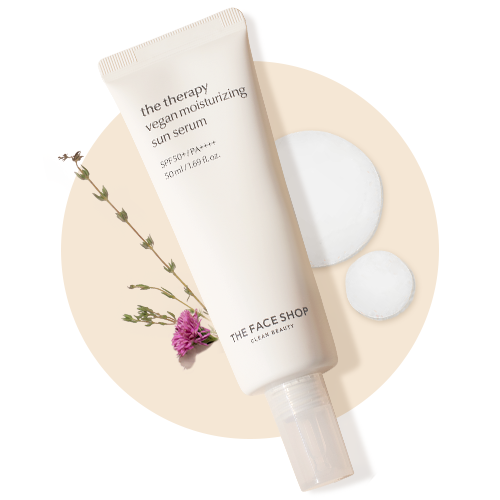
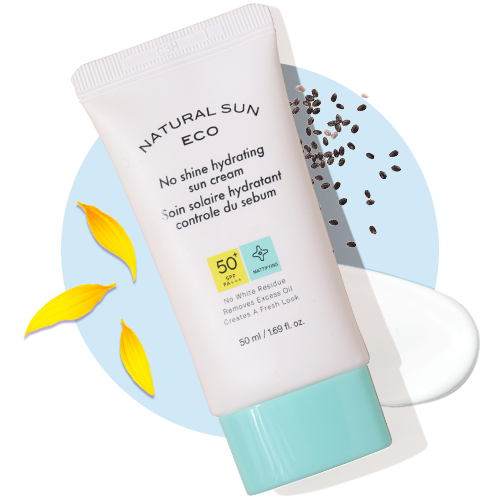
- The Face Shop: Offers gentle, K-beauty-inspired actives ideal for Indian skin tones.
What to skip: Avoid hydroquinone unless prescribed, and be wary of DIY lemon or turmeric masks, which can irritate and worsen pigmentation.
6. How to Introduce Actives Without Damaging Your Skin
Indian skin can be reactive, especially with strong actives. Here’s how to start safely:
- Start slow: Use new serums 2-3 times a week, then increase as tolerated.
- Layering tips: Apply vitamin C in the morning, retinoids at night. Don’t mix strong acids and retinoids in the same routine.
- Sun protection: Actives can increase sun sensitivity. Never skip sunscreen.
Expert insight: Dermatologists in India recommend consulting a professional if you have sensitive or allergy-prone skin, or if spots persist despite 3 months of consistent care.
7. Real Results: What to Expect (and When)
Patience pays off. Here’s a realistic timeline for visible improvement:
- 2-4 weeks: Brighter skin, less redness.
- 6-8 weeks: Noticeable fading of lighter spots.
- 12+ weeks: Significant improvement in stubborn, older spots.
Limitation: Deep dermal pigmentation (like melasma) may require prescription treatments or in-clinic procedures.
India-specific data: In a 2023 Mumbai study, 70% of participants saw visible fading of acne marks after 10 weeks of using a vitamin C and niacinamide routine (source).
8. Mistakes to Avoid: Common Pitfalls in the Indian Context
- Over-exfoliation: Using scrubs or peels too often can worsen pigmentation.
- Ignoring sunscreen on cloudy days: UV rays penetrate clouds and windows.
- Mixing too many actives: Stick to 1-2 targeted ingredients for best results.
- Not treating underlying acne: Ongoing breakouts will keep triggering new spots. Explore the Acne & Blemish collection for holistic solutions.
9. When to See a Dermatologist: Knowing Your Limits
If you’ve followed a consistent routine for 3-4 months with little improvement, or if you notice dark patches spreading, consult a dermatologist. Prescription options like tretinoin or in-clinic peels may be needed for severe or resistant pigmentation.
Checklist:
- Spots are getting darker or larger
- Home care hasn’t worked after 12 weeks
- You have sensitive or allergy-prone skin
10. Your Next Steps: Building a Routine That Works for Indian Skin
To sum up, the invisible cause of stubborn dark spots on Indian skin is often inflammation, not just sun exposure. The right actives - vitamin C, niacinamide, alpha arbutin, and retinoids - can make a real difference when used consistently and safely. Remember, patience and protection are your best allies. For more targeted solutions, explore the Acne & Blemish collection or try the Vitamin C Brightening Foaming Face Wash to kickstart your journey to clearer, more even-toned skin.
FAQ
Why do dark spots last longer on Indian skin?
Indian skin has higher melanin, which reacts to inflammation by producing more pigment. This makes post-inflammatory hyperpigmentation (PIH) more persistent compared to lighter skin tones.
How long does it take to fade stubborn dark spots with actives?
Visible improvement usually takes 8-12 weeks of consistent use of actives like vitamin C or niacinamide. Deeper spots may take longer or need prescription treatments.
Can I use multiple actives together for faster results?
It's best to start with one active, patch test, and introduce others gradually. Mixing too many actives can irritate Indian skin and worsen pigmentation.
Is sunscreen really necessary if I stay indoors?
Yes. UV rays penetrate windows and clouds, so daily sunscreen is essential to prevent new dark spots and protect fading ones.
Are home remedies like lemon or turmeric safe for dark spots?
No. These can irritate Indian skin and worsen pigmentation. Stick to evidence-backed actives and consult a dermatologist for persistent spots.