

It’s a frustrating scenario many of us face: You’ve invested in a premium face serum for dry skin, hoping for that glass-skin glow popular on Instagram, but your face still feels tight, flaky, or dull by midday.
In the diverse Indian climate ranging from the humid monsoons of Mumbai to the dry winters of Delhi keeping skin hydrated is a constant battle. Often, the problem isn’t the product itself; it’s how we use it. If you feel like your skincare routine is hitting a wall, you might be making one of these common application errors.
Here is how to fix your routine and ensure you are getting the most out of your hydrating serum in India.
1. Applying Serum on Bone-Dry Skin
This is the most common mistake. If you are applying a hyaluronic acid serum or any humectant-based product onto a completely dry face, you might actually be dehydrating your skin further.
The Fix: Humectants work like magnets; they bind to water. If there is no water on your skin, they might pull moisture from the deeper layers of your dermis to the surface, where it evaporates. Always apply your best serum for dry skin while your face is still slightly damp from toning or washing.
2. Skipping the "Seal" (Occlusion)
Serums are lightweight and penetrate deeply to deliver active ingredients, but they are not designed to sit on the surface and prevent moisture loss. If you apply a serum and walk away, it will evaporate.
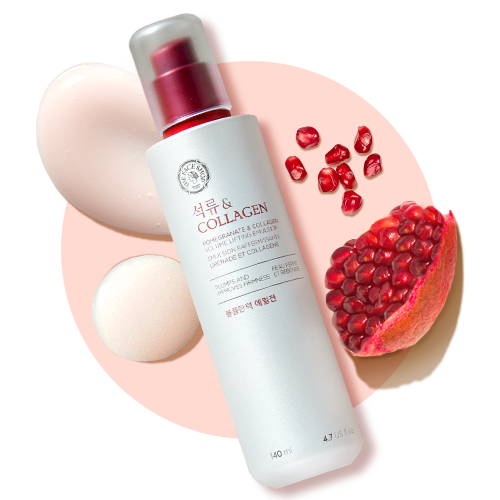
The Fix: You must lock it in. Immediately after your serum absorbs, follow up with a rich moisturizer. For those battling intense dryness or looking for anti-aging benefits, pairing your serum with a collagen skin cream creates a protective barrier that locks hydration in for hours.
3. Ignoring the Ingredient Label
Not all serums are created equal. Using a serum high in exfoliating acids (like high-percentage AHA/BHA) or drying alcohols can strip your moisture barrier.
The Fix: Look for ingredients specifically suited for thirsty skin:
- Hyaluronic Acid: The gold standard for hydration.
- Niacinamide: Great for barrier repair. A niacinamide serum for dry skin calms inflammation.
- Vitamin C: While generally for brightening, a formulated vitamin C serum for dry skin usually contains oils to prevent irritation.
Check out this curated collection to find the perfect serum for dry skin that balances these ingredients perfectly.
4. Poor Cleansing Habits
If your pores are clogged with pollution, makeup, or sunscreen, your expensive serum cannot penetrate the skin. Conversely, using a harsh face wash strips natural oils.
The Fix: Adopt the double cleanse method. Start with an oil-based cleanser to melt grime, followed by a gentle water-based wash. This prepares a clean canvas for your moisturizing serum for dry skin to work effectively.
5. Inconsistency in Your Routine
Hydration is a marathon, not a sprint. Applying serum sporadically won't repair a compromised moisture barrier.
The Fix: Establish a strict AM PM skincare ritual. Your morning routine should focus on protection (Vitamin C + SPF), while your night routine should focus on repair and intense hydration.
Bonus Tip: Seasonal Skincare & Gifting
With special occasions around the corner, healthy skin is the best accessory. If you are looking to treat yourself or a loved one to a hydration boost, explore these Valentine's Day skincare gifts. Don't forget the lips dry skin often means chapped lips, so a bundle that includes lip care is essential for a complete routine.
Frequently Asked Questions (FAQs)
Q1: Can I use Vitamin C serum if I have dry skin? Yes! Look for a vitamin C serum for dry skin that includes Vitamin E or Hyaluronic acid to buffer the potency and provide hydration alongside brightening benefits.
Q2: How much serum should I use for my face? A pea-sized amount is usually sufficient. Using too much product won't hydrate you faster; it may just sit on the skin and cause pilling under makeup.
Q3: Which is better for dry skin: Hyaluronic acid or Niacinamide? Both are excellent. Hyaluronic acid focuses on hydration (water content), while niacinamide serum for dry skin helps strengthen the skin barrier so it holds that water better. Using them together is often the best strategy.
Q4: Should I apply serum before or after moisturizer? Always apply skincare from thinnest to thickest consistency. Cleanse, Tone, Serum, then Moisturizer.
Conclusion
Correcting these small mistakes can drastically change how your skin feels. By applying your face serum for dry skin on damp skin and sealing it with a good cream, you turn a simple product into a hydration powerhouse. Don't let the Indian weather dictate your glow—take control of your routine today.