

It’s a familiar scene for many of us in India: You step out into the humidity of Mumbai or the dry heat of Delhi, apply your daily face cream, and suddenly sting, burn, redness. Instead of feeling hydrated, your skin feels like it’s fighting a battle.
If you have sensitive skin, the search for the Holy Grail product can feel endless. With pollution levels rising in Indian metros and water quality fluctuating, our skin barrier takes a beating daily. But often, the culprit isn't just the environment; it is the very product you trust to protect you.
Here is how to identify if your current routine is damaging your barrier and how to find the best sensitive moisturizer for your specific needs.
Why Your Current Cream Might Be the Enemy
Sensitive skin is not just a skin type; it is a condition where your skin barrier is compromised. When you apply a standard cream, certain ingredients can trigger an inflammatory response.
1. The Fragrance Trap
While we love our skincare to smell like a bouquet of roses, synthetic fragrances are the number one allergen for sensitive skin. If your face turns red immediately after application, check the label. You need a fragrance-free moisturizer designed to soothe, not stimulate.
2. Harsh Alcohols and Preservatives
Many commercial creams in India use denatured alcohol for that "quick-dry" matte finish. For sensitive skin, this strips away natural oils, leading to micro-tears and irritation. A gentle face moisturizer should feel cushioning, not stripping.
The Checklist: Ingredients That Heal
When shopping for a sensitive skin cream in India, stop looking at the pretty packaging and start reading the ingredient list. Look for these barrier-repairing heroes:
- Centella Asiatica (Cica): The gold standard for calming inflammation.
- Panthenol (Vitamin B5): deeply hydrates and reduces itching.
- Ceramides: These are the mortar between your skin cells, essential for rebuilding the barrier.
- Aloe Vera: A classic Indian remedy for cooling heat-aggravated skin.
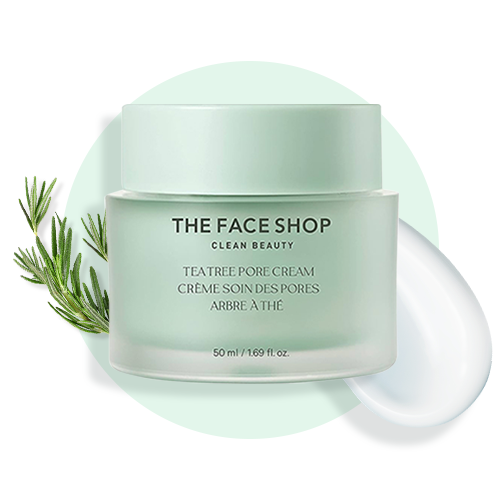
If you are looking for a product that combines these scientifically backed ingredients, consider switching to a dedicated moisturizer for sensitive skin. Formulations specifically designed for this skin type focus on hypoallergenic properties that repair rather than cover up.
A Simple, Safe Routine for Indian Sensitive Skin
Less is more. Here is a dermatologist-approved 3-step routine:
Step 1: The Non-Stripping Cleanse
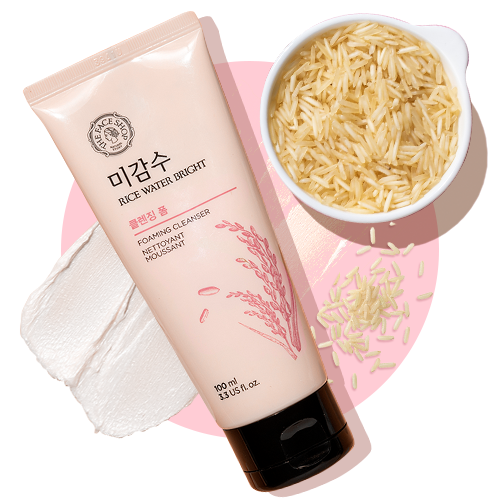
Double cleansing is great, but ensure your first step doesn't leave your skin tight. Use a gentle makeup remover that melts grime without requiring harsh rubbing. Avoid physical scrubs at all costs.
Step 2: Repair and Hydrate
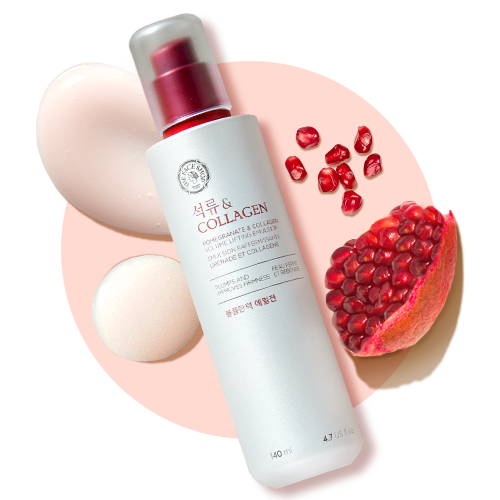
While your skin is still damp, apply your hypoallergenic face cream. This locks in moisture. If you are also tackling early signs of aging but are scared of retinol irritation, you might layer a gentle collagen serum underneath your moisturizer to boost elasticity without the harsh side effects.
Step 3: Sun Protection
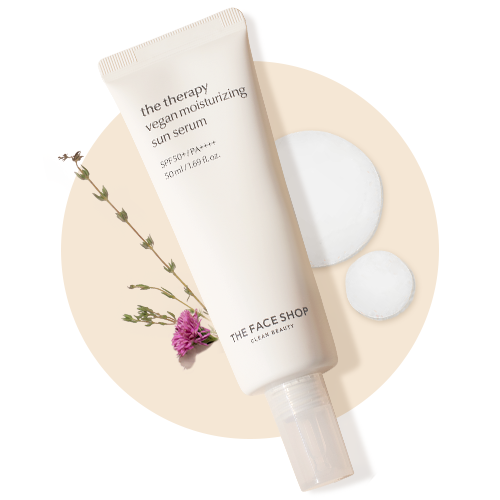
In India, skipping sunscreen is not an option. Look for mineral sunscreens (Zinc Oxide or Titanium Dioxide) as they sit on top of the skin and are less likely to cause a reaction compared to chemical filters.
FAQ: Sensitive Skin Solutions
Q: Can I use anti-aging products with sensitive skin?
A: Yes, but be careful with retinoids. Opt for milder alternatives like peptides or collagen. Always patch test a collagen cream behind your ear before applying it to your face.
Q: Why does my skin burn even with "natural" products?
A: "Natural" doesn't always mean safe. Essential oils like lemon or peppermint are natural but highly irritating. Always look for a dermatologist sensitive moisturizer label rather than just "organic."
Q: Gel or Cream: Which is better for sensitive skin?
A: It depends on your skin type. If you have oily-sensitive skin, a gel is better. If you have dry-sensitive skin, a richer cream is necessary. However, for sheer hydration without weight, an aqua moisturizer formulation can work wonders for dehydration-prone skin.
Conclusion
Your skin shouldn't hurt. If your face cream stings, it’s time to break up with it. By choosing a face cream sensitive enough to respect your barrier yet strong enough to handle the Indian climate, you can move from constant redness to a healthy glow. Start by checking your labels today.