

If you have ever stared at a stubborn acne mark or a patch of sun damage wondering why it won’t fade, you aren't alone. For Indian skin, which is rich in melanin, hyperpigmentation is the most common dermatological concern. The slightest inflammation, be it a pimple, a mosquito bite, or sun exposure can trigger melanocytes to go into overdrive.
Enter the two heavyweights of the brightening world: Kojic Acid and Alpha Arbutin. Both promise an even tone, but which one actually deserves a spot on your vanity? As an expert in ethnic skin physiology, I’m breaking down the science, the safety, and the verdict on the best serum for pigmentation for your specific needs.
Understanding the Indian Skin Struggle: Melanin & PIH
Before choosing a serum, it is crucial to understand why Indian skin behaves differently. We are prone to Post-Inflammatory Hyperpigmentation (PIH). This means aggressive treatments can actually make dark spots worse by causing irritation. Therefore, the best pigmentation serum isn't just the strongest one; it's the one that inhibits melanin production without angering the skin barrier.
Contender 1: Kojic Acid (The Potent Ferment)
Derived as a by-product of the fermentation process of malting rice (think Sake), Kojic Acid acts as a tyrosinase inhibitor. Tyrosinase is the enzyme responsible for producing melanin.
- Pros: It works fast. It is also an antioxidant, meaning it fights environmental damage.
- Cons: It can be unstable (oxidizes/turns brown easily) and may cause contact dermatitis in sensitive skin types.
- Best For: Stubborn sun spots and melasma that haven’t responded to milder treatments.
Contender 2: Alpha Arbutin (The Gentle Giant)
Alpha Arbutin is a glycoside derived from the bearberry plant. It essentially functions as a slow-release hydroquinone (the gold standard lightener) but without the harsh side effects or toxicity risks associated with pure hydroquinone.
- Pros: Extremely stable and heat resistant. It is much gentler on the skin barrier compared to acids.
- Cons: It takes longer to see results (usually 8-12 weeks).
- Best For: Acne scars (PIH), sensitive skin, and long-term maintenance.
The Verdict: Which One Should You Choose?
Here is a quick comparison for the skincare savvy:
- For Speed: Kojic Acid takes the lead. If you have an event in a month, this is your go-to.
- For Sensitivity: Alpha Arbutin wins. It is less likely to sting or cause redness.
- For Synergy: Interestingly, they work best together. Many top-tier formulations combine these ingredients.
If you are looking to build a routine, start with a specialized serum for pigmentation. A high-quality dark spot serum will often utilize a blend of these ingredients to maximize efficacy while minimizing irritation.
How to Layer for Maximum Glow
Using a hyperpigmentation serum requires a strict routine to ensure effectiveness. Here is a dermatologist-approved layering guide:
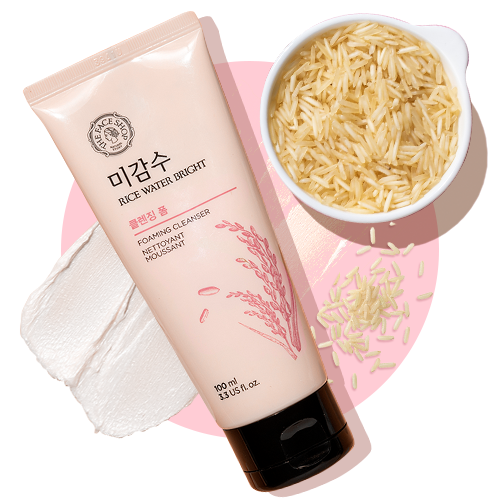
- Cleanse: Start with a clean base. If you wear makeup, use an oil based cleanser to ensure no residue blocks absorption.
- Treat: Apply your Kojic Acid or Alpha Arbutin serum on damp skin.
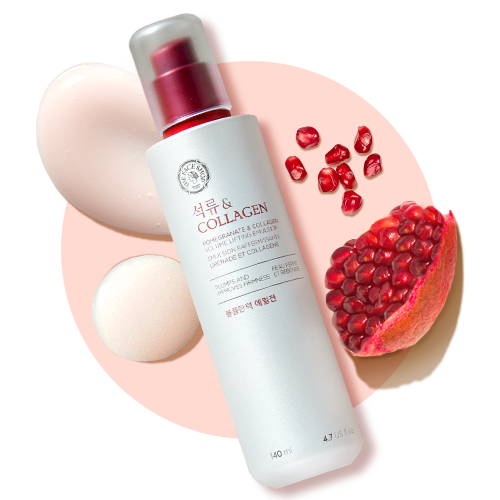
- Hydrate: Pigmentation treatments can sometimes be drying. If you have mature skin, you might layer a serum for anti ageing or a collagen serum afterward to plump the skin.
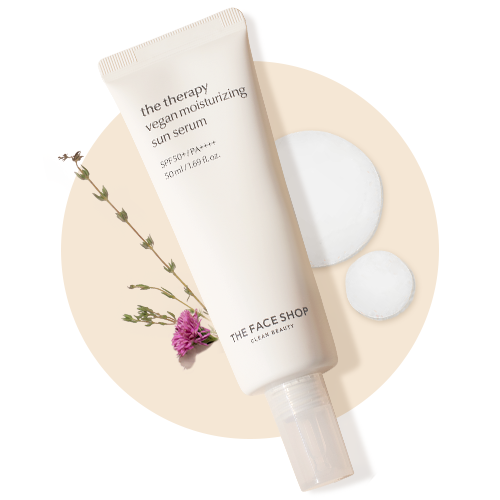
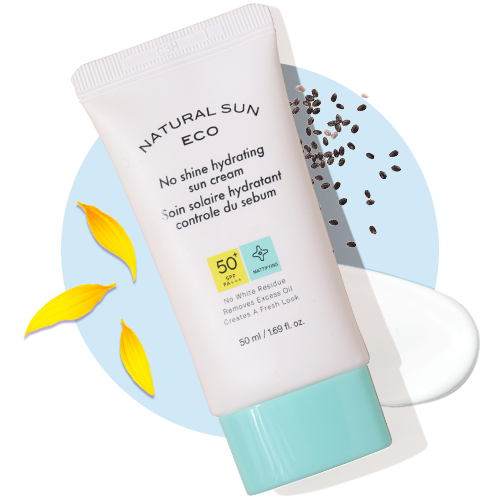
- Protect (Crucial): None of this matters if you skip sunscreen. UV rays will re-darken spots instantly. For a lightweight option that doesn't feel greasy, opt for a serum sunblock.
Frequently Asked Questions (FAQ)
Q: Can I use Kojic Acid and Alpha Arbutin together?
A: Yes! They are highly compatible. Using them together often yields faster results as they attack pigment formation from different angles.
Q: Will these ingredients bleach my skin?
A: No. Unlike harmful bleaching agents, these ingredients only target abnormal melanin production (dark spots/tan) and return your skin to its natural, original tone.
Q: Can I use Vitamin C with them?
A: Alpha Arbutin pairs beautifully with Vitamin C. Kojic Acid can also be paired with Vitamin C, but sensitive skin types should alternate them (AM vs. PM) to avoid irritation.
Q: How long does it take to see results?
A: With a consistent regimen using a skin lightening cream or serum, expect to see minor improvements in 4 weeks and significant fading in 12 weeks.