

If you have ever stared at your skincare shelf wondering which bottle goes first, you are not alone. Indian skin is beautifully diverse, but it is also highly prone to hyperpigmentation, tanning, and post-acne scarring due to our unique climate and high UV index. This is why having a targeted skincare routine is crucial.
But here is the catch: slapping on every active ingredient at once is a recipe for a compromised skin barrier. To truly get that glowing, even-toned complexion, you need to understand the science of layering.
Why Layering Serums Matters
Layering is the strategic application of skincare products to maximize absorption and efficacy. When dealing with stubborn spots, one active ingredient might not be enough. Combining a dark spot serum with an antioxidant can accelerate healing, but doing it wrong can cause irritation.
Step-by-Step Guide to Layering Your Serums
Follow these expert-approved steps to safely layer your treatments:
1. Start with a Clean Canvas
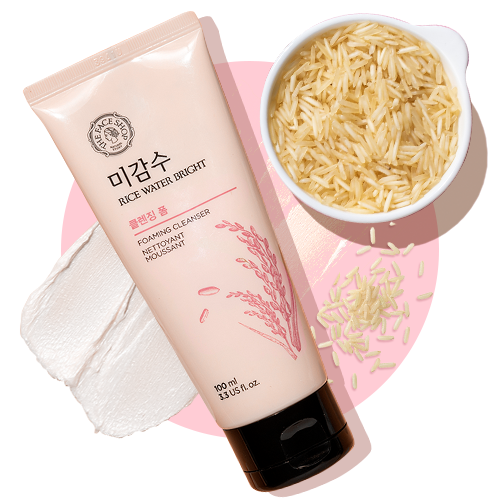
Before applying any active, your skin needs to be thoroughly cleansed. Use a gentle brightening face wash to remove excess sebum, pollution, and dead skin cells without stripping your skin's natural oils.
2. Follow the 'Thinnest to Thickest' Rule
Always apply products with a water-like consistency first. For example, a lightweight vitamin C serum should go on before a thicker gel-based formulation.
3. Target the Core Issue
This is where the magic happens. Apply your primary treatment. For targeting active breakouts and their aftermath, a dedicated anti-blemish serum works wonders. If your main concern is lingering brown spots, you can follow up with a targeted pigmentation serum.
4. Lock It In and Protect
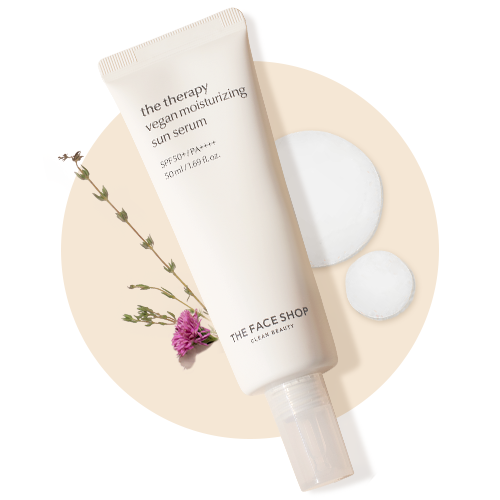
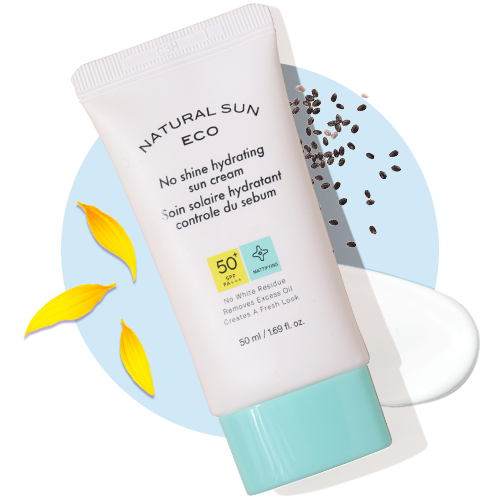
Never let your serums evaporate. Seal the ingredients in with a ceramide-rich moisturizer. Finally, in the morning routine, always finish with a high-protection SPF. Try a serum sunblock for a lightweight finish that won't pill over your other layers.
Winning Combinations for Indian Skin
- Niacinamide + Alpha Arbutin: This is the ultimate duo for stubborn marks. A quality niacinamide serum india loves (perfect for our humid weather) regulates sebum, while an alpha arbutin serum tackles melanin production. Together, they act as a potent blemish removal serum combo.
- Vitamin C + Vitamin E: A classic antioxidant pairing that boosts sun protection and fades an acne marks serum faster.
Mistakes to Avoid
- Mixing Retinol with Vitamin C: Use Vitamin C in the morning and Retinol at night to avoid harsh reactions.
- Applying on Bone-Dry Skin: Mildly damp skin absorbs humectants better (though pure Vitamin C requires dry skin).
- Using Too Many Actives: Stick to 2-3 serums maximum per routine.
Frequently Asked Questions (FAQ)
Can I use a dark spot serum and an acne marks serum together? Yes, provided they do not contain conflicting strong actives (like high-percentage AHAs and Retinol). Look for soothing ingredients like Niacinamide to bridge the two.
Is a pigmentation serum safe for daily use? Most modern formulations are designed for daily use. However, if you have sensitive skin, start by using it alternate nights to build tolerance.
How long should I wait between applying serums? Wait about 60 seconds between layers. This gives the first product enough time to absorb into the epidermis without causing the second product to pill.