
Quick Summary
Discover a dermatologist-backed, step-by-step routine for managing oily, breakout-prone skin in India’s humid climate. Learn practical, evidence-based tips and product types for lasting results.
Managing oily, breakout-prone skin in India’s humid climate can feel like a never-ending battle. But with the right, dermatologist-approved routine, you can achieve clear, balanced skin that lasts through every monsoon and heatwave. This guide breaks down the science, steps, and product types you need for a routine that truly works in Indian conditions.
Why Humid Indian Weather Triggers Oily Skin and Breakouts
India’s climate, especially during the monsoon and in coastal cities like Mumbai or Chennai, creates a perfect storm for oily skin. High humidity increases sweat and sebum production, which can clog pores and trigger breakouts. According to a 2022 survey by the Indian Association of Dermatologists, over 60% of urban Indian adults report increased oiliness and acne during the monsoon months.
- Humidity traps sweat and oil: This leads to a sticky feeling and more visible shine.
- Pollution compounds the problem: City air can mix with oil, causing dullness and congestion.
- Indian skin tones: Deeper skin tones may be more prone to post-acne marks, making prevention even more important.
Understanding these triggers is the first step to building a routine that works for you.
Step 1: Choose a Gentle, Non-Stripping Cleanser
Cleansing is the foundation of any oily skin routine, but harsh face washes can backfire by stripping your skin and causing rebound oiliness. Dermatologists in India recommend gentle, sulfate-free cleansers that remove excess oil without disrupting your skin barrier.
- Look for ingredients like rice water, niacinamide, or centella asiatica.
- Avoid alcohol-heavy or foaming cleansers that leave your skin feeling tight.
- Wash twice daily, especially after sweating or exposure to pollution.
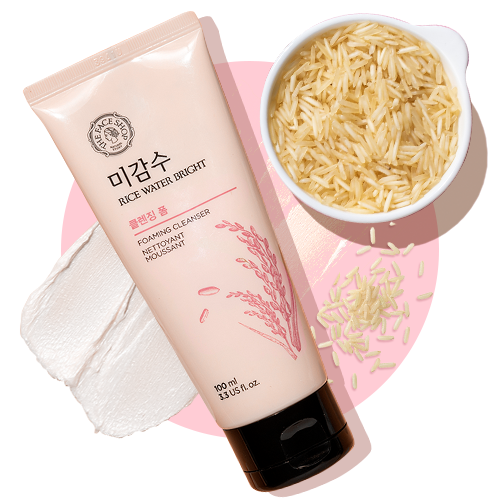
For example, The Face Shop Rice Water Bright Cleansing Foam is a popular choice for Indian consumers, offering effective cleansing at around INR 650 for 150 ml.
Step 2: Don’t Skip Toner - But Pick Wisely
Many skip toner, but in humid weather, a lightweight, alcohol-free toner can help control oil and prep your skin for the next steps. Dermatologists suggest looking for toners with niacinamide or green tea extract, which help tighten pores and reduce shine.
- Apply with a cotton pad or pat gently with your hands.
- Avoid toners with strong fragrances or astringents, which can irritate sensitive skin.
Investing in a good toner can cost between INR 300 and INR 800, but it can make a noticeable difference in oil control during the monsoon.
Step 3: Targeted Serums for Long-Term Clarity
Serums are the powerhouse of your routine. For oily, breakout-prone skin, Indian dermatologists recommend serums with:
- Niacinamide: Reduces oil production and brightens post-acne marks.
- Salicylic Acid: Unclogs pores and prevents breakouts.
- Centella Asiatica: Soothes irritation and supports healing.
Apply a few drops after toner, focusing on areas prone to breakouts. While serums can range from INR 500 to INR 2000, investing in a proven formula can save you money on future treatments for marks or scars. For those dealing with uneven skin tone, explore our Uneven Skin Tone collection for targeted solutions.
Step 4: Lightweight, Non-Comedogenic Moisturizers - Yes, You Need One!
It’s a myth that oily skin doesn’t need moisturizer. In fact, skipping this step can make your skin produce even more oil. Dermatologists recommend gel-based or water-based moisturizers with ceramides, hyaluronic acid, or glycerin.
- Look for “non-comedogenic” on the label to avoid clogged pores.
- Apply a thin layer after serum, morning and night.
- For a value pick, consider kits like the Ceramide & Rice Moisturizing Skincare kit for INR 1,299, which covers multiple steps in one purchase.
Moisturizing regularly helps repair your skin barrier, reducing sensitivity and long-term breakouts.
Step 5: Sunscreen - Your Best Defense, Even on Cloudy Days
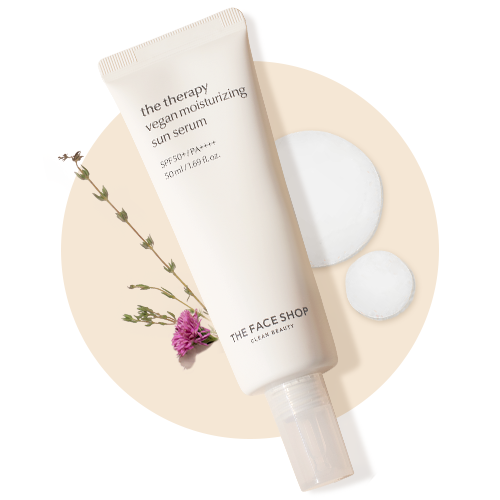
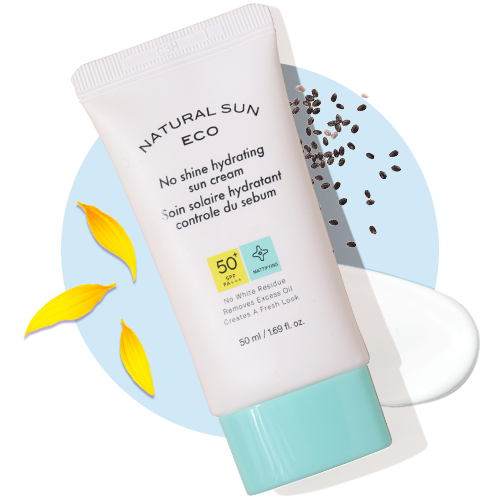
UV rays penetrate clouds, and Indian dermatologists stress the importance of daily sunscreen, even during the monsoon. Choose a lightweight, matte-finish sunscreen with SPF 30 or higher, and make sure it’s labeled “oil-free” or “non-comedogenic.”
- Reapply every 2-3 hours if you’re outdoors or sweating.
- Don’t forget ears, neck, and hairline - these areas are often missed.
Good sunscreens are available in India from INR 400 upwards, and consistent use can prevent dark spots and premature aging.
Step 6: Weekly Extras - Masks and Spot Treatments
For stubborn oiliness or sudden breakouts, weekly masksheets or clay masks can help. Look for masks with kaolin, charcoal, or tea tree oil. Spot treatments with salicylic acid or niacinamide can target active pimples without drying out the rest of your face.
- Apply masks once or twice a week, not daily.
- Explore our Masksheets collection for options tailored to oily skin.
These extras are affordable (starting at INR 100 per mask) and can be a game-changer for special occasions or before important events.
Step 7: Lifestyle Tweaks for Lasting Results
Skincare is only part of the solution. Dermatologists in India emphasize the role of lifestyle:
- Diet: Reduce high-glycemic foods (like white rice and sweets) that can worsen oiliness.
- Hydration: Drink at least 2 liters of water daily, especially in humid weather.
- Hygiene: Change pillowcases often and avoid touching your face.
- Stress: Practice yoga or meditation to keep hormonal breakouts in check.
These tweaks cost little but can dramatically improve your skin’s resilience over time.
Common Mistakes to Avoid in Indian Humidity
Even with the best intentions, some habits can sabotage your progress:
- Over-washing: Cleansing more than twice daily can strip your skin and trigger more oil.
- Skipping moisturizer: This leads to dehydration and rebound oiliness.
- Using home remedies: Lemon juice or toothpaste can irritate and worsen breakouts.
- Ignoring sunscreen: UV damage happens even on cloudy days.
Stick to evidence-backed routines and consult a dermatologist if you experience persistent or severe breakouts.
How to Adjust Your Routine for Different Indian Regions
India’s climate varies widely. Here’s how to tweak your routine:
- Coastal cities (Mumbai, Chennai): Focus on mattifying products and frequent cleansing.
- Metro cities (Delhi, Bengaluru): Add pollution-fighting antioxidants like niacinamide.
- Hill stations (Shillong, Ooty): Balance oil control with extra hydration, as humidity can fluctuate.
Always listen to your skin and adjust as needed for your local environment.
When to See a Dermatologist
If you experience severe, cystic acne or persistent marks, don’t hesitate to consult a qualified dermatologist. Prescription treatments may be needed for stubborn cases, and professional advice ensures you avoid unnecessary irritation or expense.
Summary: Your Oily Skin Routine Checklist
- Gentle cleanser (twice daily)
- Alcohol-free toner
- Targeted serum (niacinamide or salicylic acid)
- Lightweight, non-comedogenic moisturizer
- Matte-finish sunscreen (SPF 30+)
- Weekly mask or spot treatment
- Healthy lifestyle habits
With consistency and the right products, you can achieve clear, balanced skin - even in India’s most challenging weather.
FAQ
How often should I wash my face if I have oily skin in humid Indian weather?
Dermatologists recommend washing your face twice daily—morning and evening. Over-washing can strip your skin and trigger more oil production. Always use a gentle, non-stripping cleanser.
Do I really need moisturizer if my skin is already oily?
Yes. Skipping moisturizer can actually make your skin produce more oil. Choose a lightweight, non-comedogenic moisturizer to keep your skin balanced and hydrated.
What ingredients should I look for in products for oily, breakout-prone skin?
Look for niacinamide, salicylic acid, centella asiatica, ceramides, and hyaluronic acid. These ingredients help control oil, prevent breakouts, and repair your skin barrier.
Is sunscreen necessary during the monsoon or on cloudy days?
Absolutely. UV rays penetrate clouds, so daily sunscreen is essential to prevent dark spots, premature aging, and further oiliness—even during the monsoon.
How can I prevent post-acne marks on deeper Indian skin tones?
Use serums with niacinamide or vitamin C, always wear sunscreen, and avoid picking at pimples. For persistent marks, consult a dermatologist or explore our Post Acne Marks collection for targeted solutions.