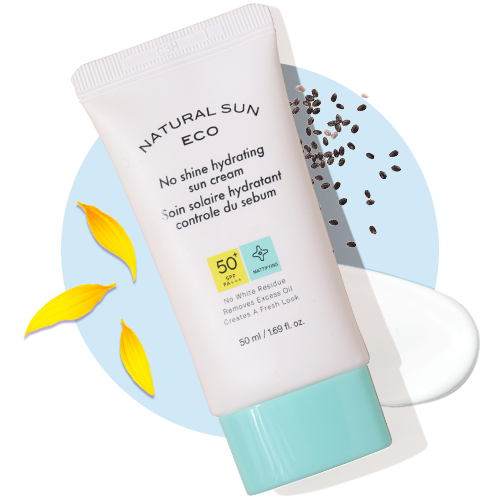


If you live in India, you know the struggle is real. One minute you step out into the humid air, and your T-zone (forehead, nose, and chin) turns into an oil slick, while your cheeks feel tight and dry. This is the classic dilemma of managing sunscreen on combination skin. Finding a formula that balances hydration without clogging pores feels like searching for a needle in a haystack.
But here is the truth: skipping SPF is not an option. With the harsh UV index in cities like Delhi, Mumbai, and Bangalore, sun protection is non-negotiable to prevent premature aging and pigmentation. The secret lies not just in the product, but in the application technique.
In this guide, we will break down exactly how to achieve that elusive matte finish using the best sunscreen for combination skin.
Why Combination Skin Requires a Strategic Approach
Combination skin is tricky because it has dual needs. You cannot treat your whole face with a single heavy cream (hello, breakouts!), nor can you use a super-drying matte fluid everywhere (hello, flaky cheeks!).
To master your SPF game, you need products that are:
- Non-comedogenic: Won't block pores in the oily T-zone.
- Hydrating yet lightweight: Usually gel or water-based textures.
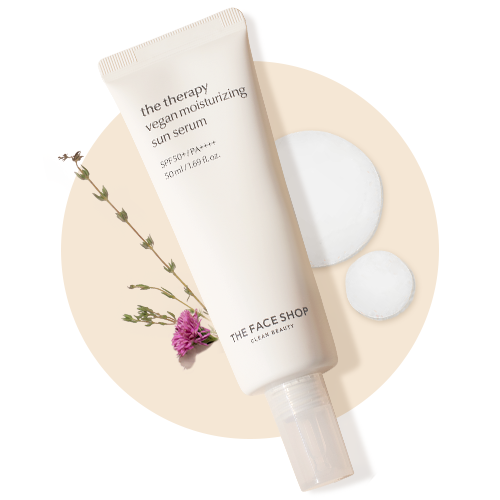
- High protection: Ideally sunscreen SPF 50 India standards (PA+++ or higher) to combat intense tropical sun.
Step-by-Step: How to Apply SPF for a Non-Greasy Finish
1. Prep with Smart Hydration
Before reaching for your sunscreen, your canvas needs to be ready. Heavy creams are the enemy of a matte finish. instead, opt for a lightweight hydrator.
- For the cheeks: If your cheeks are particularly parched, apply a pea-sized amount of a dedicated moisturizer for dry skin only on the dry areas.
- For the whole face: A gel-based option works best. If you want lightweight hydration that disappears into the skin, an aqua moisturizer is an excellent pre-sunscreen step that won't make your SPF pill.
2. Choose the Right Formula
The biggest mistake people make is using a thick, creamy sunblock meant for dry skin types. For a matte look, you need a gel sunscreen combination formula or a milk-fluid texture. These absorb quickly and leave a velvety finish rather than a sticky residue.
Explore this curated collection of skincare for combination skin type to find formulas specifically engineered to balance sebum levels while protecting against UV rays.
3. The 'Dot and Pat' Method
Don't rub the sunscreen in vigorously; this generates heat and can trigger more oil production.
- Measure: Use the 'two-finger rule' (squeeze two strips of sunscreen on your index and middle finger).
- Dot: Distribute small dots all over your face and neck.
- Pat: Gently pat the product into your skin. This ensures an even layer and helps the non-greasy sunscreen combo set faster.
4. Don't Forget the Double Cleanse at Night
Matte sunscreens often use silicones to create that smooth finish. To prevent clogged pores, ensure you remove it thoroughly at the end of the day. Using a dedicated cleansing oil effectively breaks down water-resistant sunscreen without stripping your natural oils.
Expert Tips for Indian Weather
- Wait 10 Minutes: Let your moisturizer settle before applying sunscreen. Let your sunscreen settle before applying makeup.
- Powder the T-Zone: If you are prone to extreme sweating, lightly dust translucent powder over your T-zone after your SPF has set.
- Layering: If you use a face cream for women as a base, ensure it is oil-free to prevent the sunscreen from sliding off.
FAQ: Sunscreen for Combo Skin
Q: Will SPF 50 make my combination skin oily? A: Not if you choose the right texture. Look for "dry-touch" or "matte finish" on the label. High SPF does not equal high oil content; it refers to UVB protection.
Q: Gel vs. Cream: Which is better for combo skin? A: Gel or gel-cream hybrids are superior for combination skin. They provide hydration to dry areas without adding grease to the T-zone.
Q: How often should I reapply matte sunscreen? A: Every 2-3 hours if you are outdoors. If you are wearing makeup, use a powder SPF or a spray mist for reapplication to maintain the matte look.
Q: Can I skip moisturizer if my sunscreen is hydrating? A: Yes! During humid Indian summers, a hydrating sunscreen for combo skin can often double as your morning moisturizer.