
Quick Summary
Is your moisturizer not working as well as it should? Discover the crucial skincare step you're likely missing to unlock its full potential for radiant, hydrated Indian skin.
Is Your Moisturizer Really Working? The Indian Skin Conundrum
We all crave that dewy, hydrated glow, especially with India's diverse climate throwing challenges our way. You diligently apply your winter moisturizer, but are you truly seeing the results you desire? The secret might not be the moisturizer itself, but what you're doing (or not doing) before you apply it.
The Unsung Hero: Exfoliation for Indian Skin
Think of your skin as a canvas. If it's covered in dead cells, your moisturizer is just sitting on the surface, unable to penetrate and do its job. Exfoliation removes this barrier, allowing your moisturizer to work its magic. In India, where pollution and humidity can contribute to dead skin buildup, exfoliation is even more critical. Many Indian women find that incorporating gentle exfoliation 2-3 times a week dramatically improves their skin's texture and hydration levels.
Why Exfoliation Matters: A Deeper Dive
- Removes Dead Skin Cells: Reveals brighter, smoother skin underneath.
- Improves Product Absorption: Allows your moisturizer and serums to penetrate deeper.
- Prevents Clogged Pores: Reduces the likelihood of breakouts, especially important in humid climates.
- Evens Skin Tone: Helps fade hyperpigmentation and dark spots, common concerns for Indian skin.
Choosing the Right Exfoliation Method for You
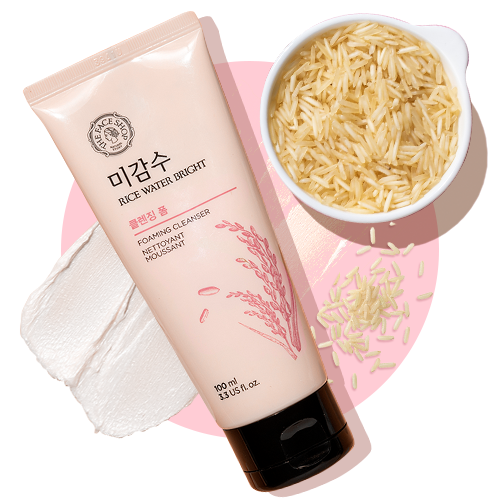
From gentle scrubs to chemical exfoliants, the options can be overwhelming. For sensitive Indian skin, start with a mild physical exfoliant like a rice-based scrub. The Rice Water Bright Cleansing Foam from The Face Shop offers gentle exfoliation. Chemical exfoliants, like AHAs (glycolic acid, lactic acid) and BHAs (salicylic acid), can be more effective but require careful introduction to your routine. Always patch-test new products to avoid irritation.
Toner: The Hydration Amplifier
Toners are often overlooked, but they play a crucial role in prepping your skin for moisturizer. They balance your skin's pH level, remove any remaining impurities after cleansing, and provide an extra layer of hydration. Look for toners with hydrating ingredients like hyaluronic acid, glycerin, or rose water. Avoid alcohol-based toners, which can strip your skin of its natural oils, especially during the dry winter months in North India.
Layering Like a Pro: The Indian Skincare Sandwich
Here's a simple layering technique to maximize your moisturizer's effectiveness:
- Cleanse: Use a gentle cleanser to remove dirt and oil.
- Exfoliate: 2-3 times a week, depending on your skin type.
- Tone: Apply a hydrating toner to balance your skin's pH.
- Serum (Optional): Target specific concerns like hyperpigmentation or fine lines.
- Moisturize: Apply your moisturizer while your skin is still slightly damp to lock in hydration.
Addressing Common Indian Skin Concerns
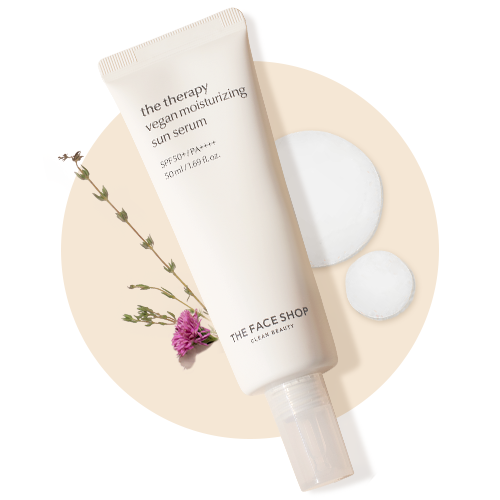
Indian skin is prone to hyperpigmentation and uneven skin tone. Incorporating ingredients like niacinamide, vitamin C, and turmeric into your routine can help address these concerns. Remember to always wear sunscreen during the day to protect your skin from further damage. A broad-spectrum sunscreen with SPF 30 or higher is essential, even on cloudy days.
Beyond Products: Lifestyle Factors for Hydrated Skin
No skincare routine is complete without addressing lifestyle factors. Drink plenty of water throughout the day to keep your skin hydrated from the inside out. Aim for at least 8 glasses of water daily. A balanced diet rich in fruits and vegetables also contributes to healthy, glowing skin. Consider incorporating foods rich in antioxidants, like berries and leafy greens, into your diet.
The Bottom Line: Consistency is Key
Achieving radiant, hydrated skin is a journey, not a destination. Be patient with your skin, and don't expect overnight results. Consistency is key. Stick to your skincare routine, and adjust it as needed based on your skin's changing needs. With the right approach, you can unlock your moisturizer's full potential and achieve the glowing complexion you've always dreamed of. For example, the Ceramide & Rice Moisturizing Skincare kit is a great option to start with.
Expert Tip: The Power of Patch Testing
Before introducing any new product into your skincare routine, especially chemical exfoliants, perform a patch test. Apply a small amount of the product to a discreet area of your skin, like behind your ear or on your inner arm. Wait 24-48 hours to see if any irritation occurs. This simple step can save you from potential allergic reactions or breakouts.
When to Consult a Dermatologist
If you're struggling with persistent skin issues, such as severe acne, eczema, or rosacea, it's best to consult a dermatologist. They can provide personalized recommendations and prescribe stronger treatments if needed. Don't hesitate to seek professional help if you're unsure about which products or treatments are right for your skin.
FAQ
How often should I exfoliate my skin?
For most Indian skin types, exfoliating 2-3 times a week is sufficient. If you have sensitive skin, start with once a week and gradually increase as tolerated.
Can I use a chemical exfoliant if I have sensitive skin?
Yes, but start with a low concentration and always patch-test before applying it to your entire face. Look for gentle AHAs like lactic acid.
What type of moisturizer is best for Indian skin?
Look for moisturizers that are non-comedogenic and contain hydrating ingredients like hyaluronic acid, ceramides, and glycerin. Consider your skin type (oily, dry, combination) when choosing a moisturizer.
Is sunscreen really necessary even on cloudy days?
Yes! UV rays can penetrate clouds and cause skin damage. Wear a broad-spectrum sunscreen with SPF 30 or higher every day, regardless of the weather.
How long does it take to see results from a new skincare routine?
It typically takes 4-6 weeks to see noticeable results from a new skincare routine. Be patient and consistent with your routine, and adjust as needed based on your skin's response.