
Quick Summary
Confused about mineral vs. chemical sunscreen? This guide breaks down the differences, benefits, and best choices for Indian skin in our climate.
Decoding Sunscreen: Mineral vs. Chemical - What's the Buzz?
Choosing the right sunscreen can feel like navigating a maze. Mineral and chemical sunscreens are the two main types, each with its own set of pros and cons. The common misconception? That a higher price tag automatically means better protection. In reality, the best sunscreen is the one that suits your skin type, lifestyle, and the Indian climate.
Mineral Sunscreen: The Natural Protector
Mineral sunscreens, also known as physical sunscreens, use mineral ingredients like zinc oxide and titanium dioxide to create a physical barrier on the skin. This barrier reflects UV rays away from the skin. Think of it like tiny mirrors bouncing the sun's rays back.
- Pros: Generally gentler on sensitive skin, less likely to cause irritation, and considered more environmentally friendly.
- Cons: Can sometimes leave a white cast, especially on darker skin tones. May require more effort to rub in completely.
India-Specific Tip: Mineral sunscreens are a great choice for those with sensitive skin, especially during the hot and humid months when skin is more prone to irritation. Look for formulations with smaller particle sizes (often labeled as 'micronized' or 'nano') to minimize the white cast.
Chemical Sunscreen: Absorption and Protection
Chemical sunscreens, on the other hand, absorb UV rays and convert them into heat, which is then released from the skin. They contain chemical filters like oxybenzone, avobenzone, and octinoxate.
- Pros: Lightweight, easily absorbed, and generally don't leave a white cast. Often more water-resistant than mineral sunscreens.
- Cons: Can potentially irritate sensitive skin. Some chemical filters have raised environmental concerns.
India-Specific Tip: Chemical sunscreens are popular for their ease of use and are often preferred by those with oily or acne-prone skin. However, if you experience redness or itching after application, consider switching to a mineral option.
Skin Type Matters: Finding Your Perfect Match
Your skin type plays a crucial role in determining the best sunscreen for you.
- Sensitive Skin: Mineral sunscreens are generally recommended due to their gentler nature. Look for fragrance-free and hypoallergenic options.
- Oily/Acne-Prone Skin: Opt for lightweight, non-comedogenic chemical sunscreens or mineral sunscreens with a matte finish.
- Dry Skin: Choose hydrating sunscreens with moisturizing ingredients like hyaluronic acid or ceramides.
- Normal Skin: You have more flexibility! Experiment with both mineral and chemical sunscreens to see which you prefer.
India-Specific Tip: In India, humidity can exacerbate oily skin. If you have oily skin, consider a gel-based or water-based sunscreen for a lighter feel.
Decoding the SPF and PA Ratings: What Do They Really Mean?
SPF (Sun Protection Factor) measures protection against UVB rays, which cause sunburn. PA rating (Protection Grade of UVA) measures protection against UVA rays, which contribute to aging and skin damage. Look for a sunscreen with SPF 30 or higher and a PA rating of PA+++ or PA++++ for broad-spectrum protection.
India-Specific Tip: Given the intense sun exposure in many parts of India, especially during peak summer months, opting for SPF 50+ is a wise choice, even if you have darker skin.
Addressing the White Cast: Tips and Tricks
The white cast associated with mineral sunscreens can be a deterrent for some. Here's how to minimize it:
- Choose a tinted mineral sunscreen: Tinted options blend seamlessly with most skin tones.
- Apply in thin layers: Avoid applying a thick layer all at once.
- Look for micronized or nano formulations: These have smaller particles that are less likely to leave a white cast.
India-Specific Tip: Many Indian brands are now formulating mineral sunscreens specifically for Indian skin tones, addressing the white cast issue effectively.
Budget-Friendly Sunscreen Options in India
Effective sun protection doesn't have to break the bank. Many affordable sunscreens in India offer excellent protection. Look for brands like Lakme, Biotique, and Lotus Herbals for budget-friendly options. Remember, consistency is key. Spending INR 500 on a sunscreen you use daily is better than spending INR 2000 on one that sits on your shelf.
India-Specific Tip: Check local pharmacies and online retailers like Nykaa and Amazon.in for deals and discounts on sunscreens.
Beyond Sunscreen: Complete Sun Protection Strategy
Sunscreen is just one piece of the puzzle. A comprehensive sun protection strategy includes:
- Seeking shade: Especially during peak sun hours (10 AM to 4 PM).
- Wearing protective clothing: Long sleeves, hats, and sunglasses.
- Avoiding tanning beds: They emit harmful UV radiation.
India-Specific Tip: Traditional Indian clothing like kurtas and sarees offer some sun protection. Consider wearing light-colored, tightly woven fabrics for better protection.
For example, consider using Real Nature Aloe Face Mask 20g after sun exposure to soothe and hydrate the skin.
Sunscreen Application: The Right Way
Apply sunscreen liberally 15-30 minutes before sun exposure. Reapply every two hours, or immediately after swimming or sweating. Don't forget often-missed areas like your ears, neck, and the tops of your feet.
India-Specific Tip: If you're traveling in a crowded local train or bus, apply sunscreen even if you're not directly exposed to sunlight, as UV rays can penetrate through windows.
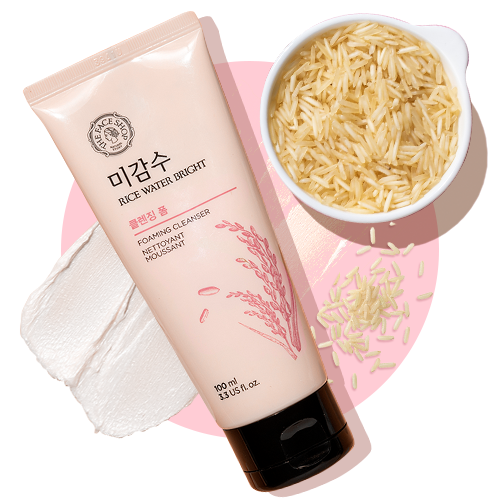
Consider using Rice Water Bright Cleansing Foam 100 ml to thoroughly remove sunscreen at the end of the day.
FAQ
Is a higher SPF always better?
SPF 30 blocks about 97% of UVB rays, while SPF 50 blocks about 98%. The difference is minimal, but SPF 50 may be beneficial for those with very sensitive skin or high sun exposure.
Can I use expired sunscreen?
No. Expired sunscreen may not be as effective and could potentially irritate your skin.
Do I need sunscreen on cloudy days?
Yes. UV rays can penetrate clouds, so it's important to wear sunscreen even on cloudy days.
Can I use body sunscreen on my face?
While you can, facial sunscreens are often formulated to be lighter and less likely to clog pores. It's generally best to use a sunscreen specifically designed for the face.
Are expensive sunscreens always better?
Not necessarily. The effectiveness of a sunscreen depends on its ingredients and formulation, not just its price. Focus on finding a sunscreen that suits your skin type and offers broad-spectrum protection.