
Quick Summary
Discover why monsoon breakouts in India are more about humidity than oil. Learn how to prevent clogged pores and dullness with evidence-backed cleansers and serums tailored for Indian skin.
Every monsoon, countless Indians notice a sudden surge in breakouts and dullness. While most blame excess oil, the real culprit is often the region's relentless humidity. This guide unpacks why your skin acts up during the rainy season and how to outsmart monsoon breakouts with science-backed solutions and India-specific advice.
1. Why Monsoon Breakouts Spike in India: It's More Than Just Oil
India's monsoon brings high humidity, not just rain. This moisture-laden air makes sweat and sebum mix on your skin, creating a sticky layer that traps dirt and bacteria. According to dermatologists cited by Nykaa and Vogue India, this unique climate challenge means even those with normal skin can experience sudden breakouts and clogged pores during the monsoon.
- Fact: Cities like Mumbai and Kolkata see humidity levels above 85% during peak monsoon, intensifying skin congestion.
- Tip: If your skin feels sticky or looks dull despite regular cleansing, humidity is likely at play.
2. Humidity's Hidden Impact: How It Clogs Pores and Dulls Skin
Humidity doesn't just make you sweat more - it slows down the evaporation of sweat and oil. This means:
- Pores stay blocked longer, increasing the risk of acne-causing bacteria multiplying.
- Dead skin cells cling to the surface, leading to dullness and uneven tone.
Indian skin, which often has higher melanin, is also more prone to post-acne marks and pigmentation when breakouts occur in humid conditions.
3. Common Myths: Why Over-Cleansing Can Backfire in the Monsoon
Many believe that washing your face more often will prevent monsoon breakouts. However, over-cleansing can strip your skin's natural barrier, causing it to produce even more oil as a defense. This cycle can worsen both oiliness and breakouts.
- Evidence: Studies from NCBI show that harsh cleansers disrupt the skin microbiome, making Indian skin more reactive in humid months.
- Checklist: Stick to gentle, pH-balanced cleansers twice daily - no more, no less.
4. The Right Cleanser for Monsoon: What to Look for (and Avoid)
Choosing the right cleanser is crucial. For Indian monsoon skin, look for:
- Foaming formulas that remove sweat and grime without over-drying.
- Ingredients like vitamin C for brightening, or rice water for gentle cleansing.
- Avoid alcohol-heavy or harsh exfoliating cleansers, which can trigger irritation.
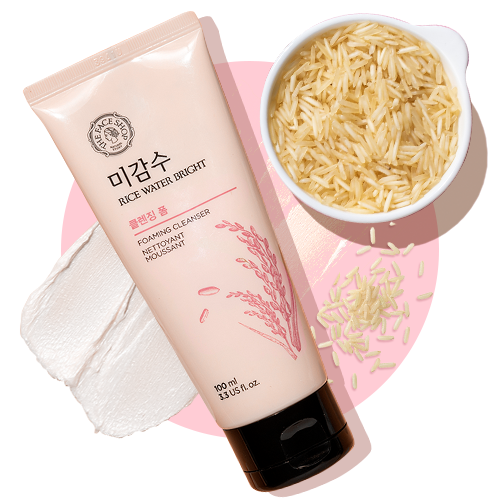
For example, Vitamin C Brightening Foaming Face Wash from The Face Shop is formulated to cleanse deeply while supporting radiance - ideal for humid Indian weather. For those with sensitive skin, Rice Water Bright Cleansing Foam offers a gentle yet effective alternative.
5. Serums That Work in Humidity: Ingredients That Target Breakouts and Dullness
Serums are a game-changer for monsoon skincare, but not all are created equal. In India, opt for lightweight, non-comedogenic serums with:
- Vitamin C (for brightening and antioxidant protection)
- Niacinamide (for oil control and reducing post-acne marks)
- Hyaluronic acid (for hydration without heaviness)
These ingredients are proven to reduce dullness and prevent clogged pores, especially in humid climates. For best results, apply serum after cleansing and before moisturizer, morning and night.
6. Lightweight Moisturizers: Why You Still Need One in the Monsoon
It’s tempting to skip moisturizer when your skin feels oily, but humidity can actually dehydrate your skin by disrupting its barrier. The key is choosing a lightweight, non-greasy formula that locks in hydration without clogging pores.
- Try: Emulsions or gel-based moisturizers, which absorb quickly and feel comfortable even in sticky weather.
- Example: Ceramide & Rice Lightweight Emulsion for Barrier Repair from The Face Shop is designed for humid Indian climates and helps maintain a healthy skin barrier.
7. Smart Routine Tweaks: Daily Habits to Outsmart Monsoon Breakouts
Consistency is crucial. Here’s a simple, effective routine for Indian monsoon skin:
- Cleanse with a gentle foaming face wash morning and night.
- Apply a lightweight serum targeting your main concern (dullness, oil, or marks).
- Moisturize with a non-comedogenic emulsion or gel.
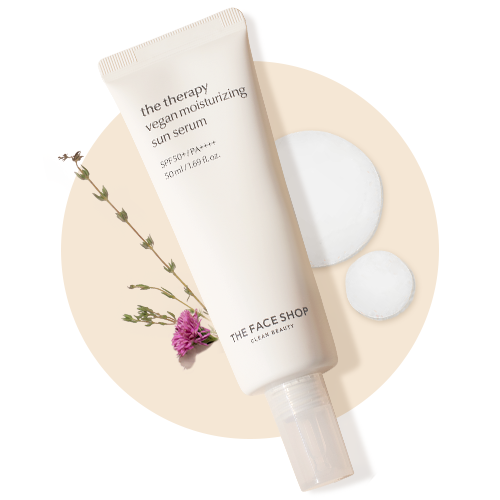
- Use sunscreen daily - even on cloudy days, as UV rays still penetrate clouds.
Bonus: Change pillowcases frequently and avoid touching your face to minimize bacteria transfer.
8. Price, Value, and Accessibility: Making Smart Skincare Choices in India
Indian consumers want results without overspending. The good news: effective monsoon skincare doesn’t have to break the bank. For example, a high-quality cleanser or serum from The Face Shop typically ranges from INR 600 to INR 1500, offering visible results and lasting for weeks. Prioritize products with proven ingredients and transparent labeling.
- Check for dermatologist-tested claims and ingredient lists.
- Look for products addressing uneven skin tone or post-acne marks if these are your main concerns.
9. When to See a Dermatologist: Recognizing the Limits of At-Home Care
If your breakouts are severe, painful, or not improving after 4-6 weeks of consistent care, consult a dermatologist. Persistent acne may require prescription treatments or professional advice tailored to your skin type and local climate.
- Warning signs: cystic acne, spreading redness, or scarring.
- Many Indian cities now offer online dermatology consults for convenience.
10. Key Takeaways: Outsmarting Monsoon Breakouts for Clear, Glowing Skin
- Humidity, not just oil, is the main driver of monsoon breakouts in India.
- Choose gentle, pH-balanced cleansers and lightweight serums with proven ingredients.
- Don’t skip moisturizer - opt for light emulsions or gels.
- Stick to a simple, consistent routine and adjust as needed for your skin’s response.
- Seek professional help if breakouts persist or worsen.
With the right knowledge and products, you can keep your skin clear and glowing all monsoon long.
FAQ
Why does my skin break out more during the Indian monsoon?
High humidity during the monsoon traps sweat and oil on your skin, leading to clogged pores and increased bacterial growth. This is why breakouts and dullness are more common, even if you don't usually have oily skin.
Should I wash my face more often in humid weather?
No. Over-washing can strip your skin's natural barrier, causing more oil production and irritation. Stick to cleansing twice daily with a gentle, pH-balanced face wash.
What ingredients should I look for in monsoon skincare products?
Look for lightweight, non-comedogenic ingredients like vitamin C, niacinamide, and hyaluronic acid. These help brighten, hydrate, and control oil without clogging pores.
Is moisturizer necessary if my skin feels oily during monsoon?
Yes. Humidity can dehydrate your skin barrier. Use a lightweight, gel-based or emulsion moisturizer to keep skin balanced without feeling greasy.
When should I see a dermatologist for monsoon breakouts?
If your acne is severe, painful, or not improving after 4-6 weeks of consistent care, consult a dermatologist. Persistent or cystic acne may need prescription treatment.