
Quick Summary
Don't let monsoon humidity ruin your skin! Discover effective skincare strategies tailored for Indian weather to prevent and treat monsoon breakouts.
Monsoon Breakouts: Why They Happen in India
The monsoon brings much-needed relief from the scorching Indian summer, but it also brings high humidity, creating the perfect breeding ground for bacteria and triggering those dreaded monsoon breakouts. Excess sweat, increased oil production, and clogged pores are the main culprits. Don't resign yourself to accepting breakouts as inevitable; proactive skincare can make a huge difference.
Understanding Your Skin Type in Humid Weather
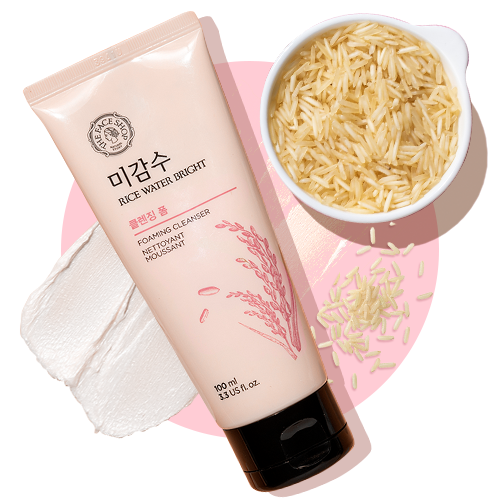
Knowing your skin type is crucial, especially during the monsoon. Oily skin becomes even oilier, while even dry skin can feel sticky due to humidity. A simple test: blot your face with tissue paper a few hours after cleansing. If the paper is saturated with oil, you likely have oily skin. If it's barely marked, you have dry skin. Combination skin will show oil only in the T-zone (forehead, nose, and chin). Understanding this helps you choose the right products. For example, someone with oily skin might benefit from the Rice Water Bright Cleansing Foam.
The Ultimate Monsoon Skincare Routine for Indian Skin
Here's a simple yet effective routine:
- Cleanse: Use a gentle, foaming cleanser twice daily to remove excess oil and impurities.
- Tone: An alcohol-free toner helps balance your skin's pH.
- Serum: A lightweight, hydrating serum with ingredients like hyaluronic acid can keep your skin moisturized without feeling heavy.
- Moisturize: Even oily skin needs moisture! Choose a gel-based, non-comedogenic moisturizer.
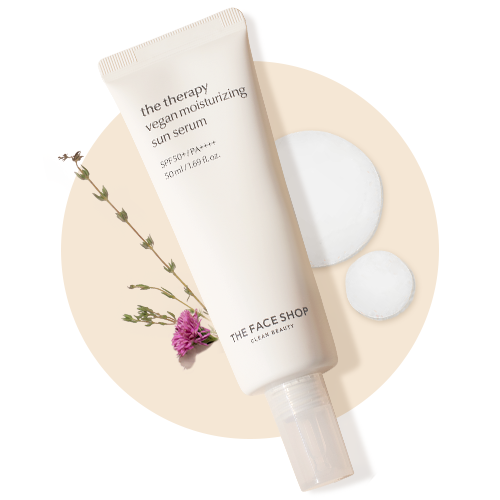
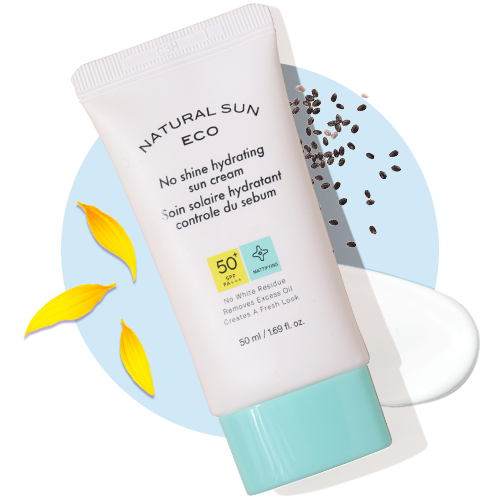
- Sunscreen: Rain or shine, sunscreen is essential. Opt for a broad-spectrum, oil-free formula with SPF 30 or higher.
Key Ingredients to Look For (and Avoid) During Monsoon
Look for:
- Salicylic acid: Exfoliates and unclogs pores.
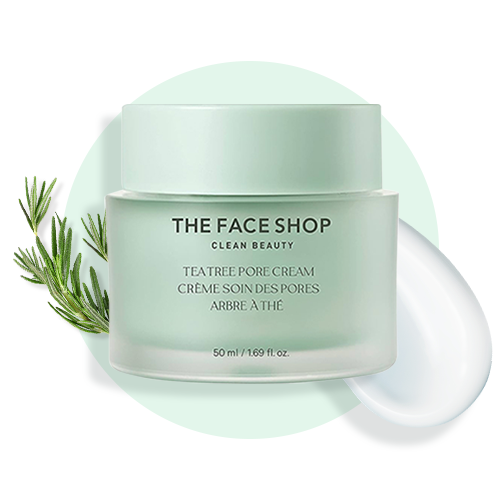
- Tea tree oil: Has antibacterial and anti-inflammatory properties.
- Hyaluronic acid: Hydrates without adding oil.
- Niacinamide: Reduces inflammation and controls oil production.
Avoid:
- Heavy creams: Can clog pores and worsen breakouts.
- Alcohol-based toners: Can dry out your skin and lead to increased oil production.
- Fragrant products: Can irritate sensitive skin.
DIY Face Masks for Monsoon Breakouts: Indian Home Remedies
Harness the power of your kitchen! A besan (gram flour) and turmeric mask can help absorb excess oil and reduce inflammation. Mix 1 tablespoon of besan with a pinch of turmeric and enough rosewater to form a paste. Apply to your face for 15-20 minutes, then rinse with lukewarm water. Another option is a neem and tulsi mask, known for their antibacterial properties. Remember to patch-test any DIY mask before applying it to your entire face.
Lifestyle Adjustments to Minimize Monsoon Acne
Skincare is only part of the solution. Here are some lifestyle changes to consider:
- Stay hydrated: Drink plenty of water to flush out toxins. Aim for at least 8 glasses a day.
- Avoid touching your face: This transfers bacteria and oil.
- Change your pillowcase regularly: At least twice a week.
- Wear loose, breathable clothing: This helps prevent sweat buildup.
- Limit sugary and processed foods: These can contribute to inflammation and breakouts.
Dealing with Existing Breakouts: Spot Treatments and Patience
If you already have breakouts, resist the urge to pick or squeeze them! This can lead to scarring and further inflammation. Instead, use a spot treatment containing salicylic acid or benzoyl peroxide. Apply it directly to the affected area. Be patient; it can take several weeks to see improvement. For persistent or severe acne, consult a dermatologist.
Budget-Friendly Monsoon Skincare: Quality Doesn't Have to Break the Bank
Effective skincare doesn't require spending a fortune. Many affordable brands offer excellent products. Focus on the basics: a good cleanser, moisturizer, and sunscreen. Look for sales and discounts. For example, The Face Shop often has promotions like TFS B2G1, allowing you to stock up on essentials without exceeding your budget. Prioritize ingredients over fancy packaging.
When to See a Dermatologist: Recognizing Severe Acne
While most monsoon breakouts can be managed with over-the-counter products and lifestyle changes, some cases require professional help. If you experience severe acne, characterized by deep, painful cysts or nodules, or if your acne is not improving with home treatment after several weeks, consult a dermatologist. They can prescribe stronger medications or recommend other treatments, such as chemical peels or laser therapy.
FAQ
Does humidity really cause breakouts?
Yes, high humidity creates an environment where bacteria thrive, leading to clogged pores and breakouts.
Can I use the same skincare routine in the monsoon as I do in the winter?
No, you'll likely need to switch to lighter, oil-free products during the monsoon.
How often should I exfoliate during the monsoon?
Exfoliate 1-2 times a week to remove dead skin cells and prevent clogged pores.
Is sunscreen really necessary on cloudy days?
Yes, UV rays can penetrate clouds, so sunscreen is essential even on cloudy days.
What's the best way to treat a painful pimple quickly?
Apply a warm compress for a few minutes to reduce inflammation, followed by a spot treatment.