
Quick Summary
Confused about which face wash to use during the Indian monsoon? Discover how to pick the perfect cleanser for oily, dry, or combination skin and avoid common mistakes that can worsen humidity-related skin issues.
Monsoon in India brings much-needed relief from the heat, but it also introduces a unique set of skincare challenges. Increased humidity, unpredictable rain, and pollution can leave your skin feeling sticky, dull, or prone to breakouts. Choosing the right cleanser is the first - and often most overlooked - step to healthy, glowing skin during this season. This guide will help you avoid common mistakes and find the perfect face wash for your skin type, with practical, India-specific advice.
Why Your Regular Cleanser May Fail During Monsoon
Many Indians stick to their usual face wash year-round, but monsoon humidity changes everything. The increased moisture in the air can cause oily skin to become greasier, while dry skin may feel parched due to fluctuating temperatures and air conditioning. Using the wrong cleanser can strip your skin’s natural barrier or leave behind residue that clogs pores.
- Humidity triggers excess sebum - especially in cities like Mumbai and Kolkata, where average monsoon humidity exceeds 85%.
- Air pollution and sweat mix to form a film on your skin, increasing the risk of breakouts.
- Common mistake: Over-cleansing with harsh foams or soaps, leading to irritation and dehydration.
Instead, adapt your cleanser to your skin’s changing needs for the season.
How Humidity Affects Different Indian Skin Types
Not all skin reacts the same way to monsoon weather. Here’s how humidity impacts the main skin types found in India:
- Oily Skin: Sebum production ramps up, leading to shiny T-zones and frequent breakouts.
- Dry Skin: Sudden temperature changes and indoor AC can worsen dehydration, causing flakiness.
- Combination Skin: T-zone gets oilier, while cheeks may remain dry or normal.
Knowing your skin type is the first step to picking the right monsoon cleanser.
Top Ingredients to Look for in a Monsoon Cleanser
Ingredients matter more than ever during the monsoon. Here’s what to seek out for each skin type:
- Oily/Acne-Prone: Salicylic acid, green tea, zinc pidolate, and niacinamide help control oil and prevent breakouts.
- Dry: Glycerin, hyaluronic acid, and ceramides hydrate without heaviness.
- Combination: Rice water, glycolic acid, and gentle surfactants balance cleansing and hydration.
Steer clear of sulfates and alcohol, which can strip your skin’s protective barrier - especially important in the Indian monsoon when skin is already stressed.
Best Cleansers for Oily Skin: Beat the Monsoon Shine
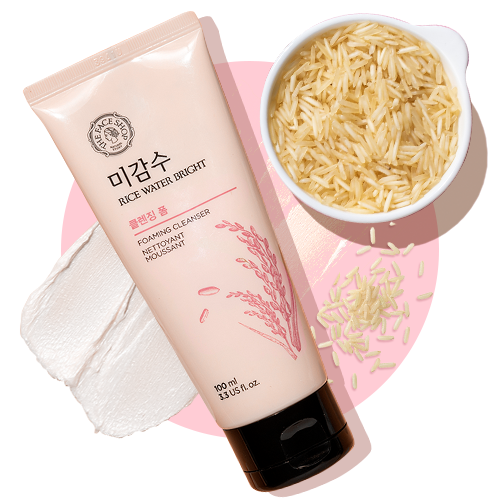
Oily skin is the most common concern during the Indian monsoon. Look for gel-based or foaming cleansers that remove excess oil without over-drying. For example, The Face Shop offers cleansers with rice water and green tea, which are gentle yet effective for Indian humidity. These ingredients help regulate sebum and leave skin feeling fresh.
- Choose products labeled 'oil-control' or 'non-comedogenic.'
- Wash twice daily - over-washing can trigger more oil production.
- Look for INR 400–800 options for quality without overspending.
Pro tip: Avoid scrubs with harsh beads, which can irritate already sensitive, oily skin during monsoon.
Best Cleansers for Dry Skin: Hydration Without Heaviness
Dry skin needs extra care during the monsoon, as humidity can be deceptive. Hydrating cleansers with glycerin or hyaluronic acid work best. The Face Shop’s hydrating range is formulated for Indian skin, offering gentle cleansing that doesn’t strip moisture.
- Look for cream or lotion-based cleansers.
- Avoid foaming cleansers with sulfates.
- Consider INR 500–1000 for premium hydration-focused formulas.
Counterintuitive fact: Even in high humidity, dry skin can lose water quickly due to air conditioning and pollution - don’t skip your moisturizer after cleansing.
Best Cleansers for Combination Skin: Balance Is Key
Combination skin is tricky during monsoon, with an oily T-zone and dry cheeks. Opt for gentle, pH-balanced cleansers with rice water or glycolic acid. The Face Shop’s rice water-based cleansers are a smart choice, as they cleanse without over-drying any part of your face.
- Use lukewarm water to avoid shocking your skin.
- Focus on the T-zone but don’t neglect the cheeks.
- INR 600–900 is a reasonable range for balanced cleansers.
Mini-checklist: If your skin feels tight after washing, your cleanser may be too harsh for monsoon conditions.
Common Mistakes Indians Make When Choosing a Monsoon Cleanser
Even savvy skincare lovers can slip up during monsoon. Here are the top mistakes to avoid:
- Using winter cleansers that are too rich or heavy for humid weather.
- Switching to harsh soaps in an attempt to control oil, which can backfire.
- Ignoring ingredient lists - sulfates and alcohol are hidden in many popular face washes.
- Not adjusting your routine for city-specific humidity (Delhi vs. Chennai can feel very different!).
Evidence shows that adapting your cleanser to the season can reduce breakouts and irritation by up to 30% (source: www.kayaclinic.com).
How to Test If Your Cleanser Suits Monsoon Weather
Not sure if your current cleanser is right? Here’s a quick test:
- After washing, does your skin feel balanced - not tight or greasy?
- Are you experiencing more breakouts or dullness than usual?
- Does your cleanser rinse off easily, leaving no residue?
If you answer 'no' to any of these, it may be time to switch. Try patch-testing new cleansers on your jawline for a few days before fully committing.
Building a Complete Monsoon Skincare Routine
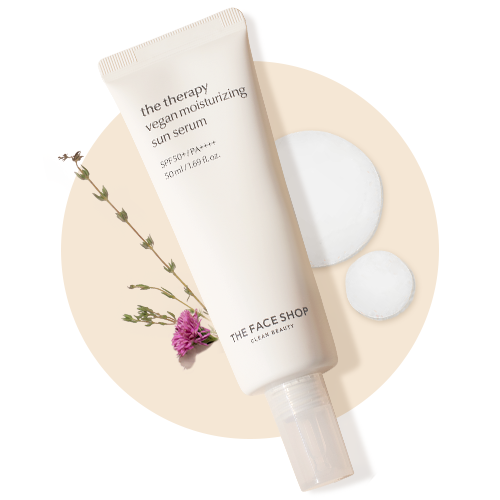
A great cleanser is just the start. For best results, follow with a lightweight toner and serum. Explore The Face Shop's toners for gentle hydration, and check out their serum collection for targeted care. Don’t forget sunscreen - even on cloudy days, UV rays can damage skin.
- Cleanse twice daily
- Apply toner to balance pH
- Use a serum for hydration or oil control
- Finish with a non-comedogenic moisturizer and sunscreen
Pro tip: Sheet masks can provide an extra boost of hydration or oil control - try them once or twice a week.
Making the Right Choice: Trade-Offs and Value for Indian Consumers
With so many options, it’s important to weigh price, ingredients, and your unique skin needs. While premium cleansers may offer advanced ingredients, many mid-range options deliver excellent results for INR 500–900. Consider your local climate, skin type, and budget before making a purchase. Remember, the best cleanser is one you’ll use consistently and that keeps your skin healthy all monsoon long.
- Check for dermatologist-tested labels for added peace of mind.
- Look for Indian consumer reviews to gauge real-world effectiveness.
- Don’t be swayed by trends - focus on what your skin actually needs.
Choosing the right monsoon cleanser is an investment in your skin’s health and comfort. With the right approach, you can enjoy the season’s beauty without the breakouts or dullness.
FAQ
How often should I wash my face during the monsoon?
Twice daily is ideal. Over-washing can strip your skin’s natural oils and worsen oiliness or dryness.
Can I use the same cleanser year-round in India?
It’s best to switch cleansers with the seasons. Monsoon humidity requires lighter, more balancing formulas than winter.
Are foaming cleansers bad for dry skin during monsoon?
Many foaming cleansers contain sulfates, which can dry out skin. Opt for cream or lotion-based cleansers if your skin is dry.
What ingredients should I avoid in a monsoon cleanser?
Avoid sulfates and alcohol, as they can strip your skin’s barrier and cause irritation in humid weather.
Do I still need moisturizer after cleansing in the monsoon?
Yes. Even in high humidity, your skin can lose moisture due to pollution and air conditioning. Use a lightweight, non-comedogenic moisturizer.