
Quick Summary
Confused by 'oil-free' claims? Discover which cleanser and serum textures truly work for Indian humidity. Learn how to choose lightweight, non-sticky formulas for glowing, comfortable skin this monsoon.
When the monsoon hits India, our skin faces a unique challenge: high humidity, unpredictable rain, and a constant battle between oiliness and dullness. While 'oil-free' is a buzzword, it's not the only factor that matters. The real secret? Choosing the right cleanser and serum textures tailored for Indian humidity. This guide unpacks what works, why, and how to build a routine that keeps your skin fresh, glowing, and comfortable all monsoon long.
1. Why 'Oil-Free' Alone Isn't Enough for Monsoon Skincare
Many Indian consumers reach for anything labeled 'oil-free' during monsoon. But here's the catch: not all oil-free products are created equal, and some can leave skin feeling tight or stripped. In fact, dermatologists warn that harsh cleansers can trigger rebound oiliness or even breakouts (Healthline).
- Humidity increases sweat and sebum, but also traps grime and pollutants on the skin.
- Simply removing oil isn't enough - you need to balance hydration and avoid heavy, sticky residues.
- Look for products that mention 'lightweight', 'water-based', or 'gel' textures, not just 'oil-free'.
Pro tip: If your face feels squeaky after cleansing, your product may be too harsh for monsoon skin.
2. The Science of Texture: Why It Matters in Indian Humidity
Texture isn't just about feel - it's about how a product interacts with your skin and the climate. In cities like Mumbai, Chennai, or Kolkata, where humidity often exceeds 80%, thick creams or heavy serums can clog pores and worsen shine. Conversely, ultra-light gels may not hydrate enough in drier monsoon spells (think Delhi or Bangalore).
- Gel cleansers and water-based serums absorb quickly, leaving no sticky residue.
- Foaming cleansers can help with oil control, but avoid those with high SLS content if you have sensitive skin.
- Creamy cleansers may suit dry skin types, but often feel too heavy for most Indians during monsoon.
Choosing the right texture means less trial and error - and more consistent results.
3. Gel vs. Foaming Cleansers: Which Is Better for Monsoon?
Both gel and foaming cleansers are popular in India, but which one should you pick?
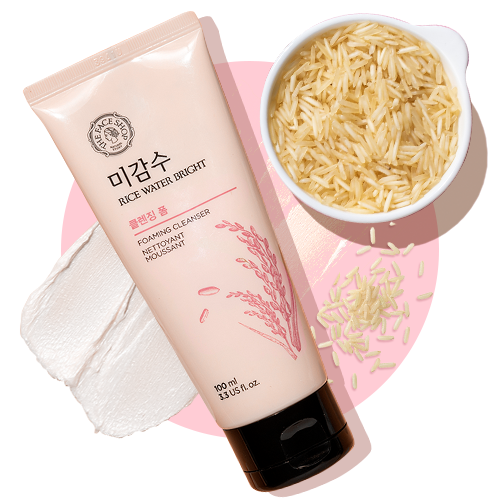
- Gel cleansers are ideal for normal to oily skin. They remove excess oil without stripping moisture. For example, Rice Water Bright Cleansing Foam from The Face Shop offers a gentle, brightening cleanse with a lightweight finish.
- Foaming cleansers provide a deeper clean, great for those who commute or sweat a lot. However, check for hydrating ingredients like glycerin or rice water to avoid over-drying.
Checklist for choosing your monsoon cleanser:
- Is it labeled 'gentle' or 'hydrating'?
- Does it rinse off easily, leaving no residue?
- Does it contain soothing ingredients (e.g., rice water, aloe)?
4. Water-Based Serums: The Monsoon Glow Secret
Serums are often overlooked in monsoon routines, but the right one can transform dull, tired skin. Water-based serums with ingredients like hyaluronic acid, niacinamide, or vitamin C deliver hydration and radiance without heaviness.
- Hyaluronic acid attracts moisture, keeping skin plump even in sticky weather.
- Niacinamide helps control oil and fade dark spots, a common concern post-monsoon.
- Vitamin C brightens and protects against pollution-induced dullness.
Look for serums that specify 'non-greasy', 'quick-absorbing', or 'lightweight' on the label. Avoid thick, silicone-heavy formulas that can feel suffocating in humidity.
5. Ingredient Spotlight: What to Seek (and Avoid) in Monsoon Textures
Indian skin during monsoon needs a careful balance of hydration and oil control. Here’s what to look for:
- Seek: Hyaluronic acid, glycerin, niacinamide, green tea extract, cica, squalane.
- Avoid: Heavy oils (like coconut or mineral oil), thick silicones, and high alcohol content.
For example, a serum with niacinamide and green tea can help reduce shine and soothe breakouts, while a cleanser with rice water brightens without stripping.
Did you know? Many Indian consumers report fewer breakouts and less midday shine when switching to gel-based products during monsoon (Nykaa reviews).
6. Price vs. Performance: INR-Friendly Picks for Every Budget
Monsoon skincare doesn't have to break the bank. Here’s how to choose based on value:
- Under ₹500: Look for gentle gel cleansers and basic hydrating serums with proven ingredients.
- ₹500–₹1500: Explore advanced formulas with niacinamide or vitamin C, often found in Korean-inspired brands like The Face Shop.
- ₹1500 and above: Premium serums with multi-active complexes and innovative textures for those seeking visible glow and even tone.
Always check ingredient lists and reviews. Sometimes, a mid-range product outperforms pricier options in Indian humidity.
7. Building a Monsoon-Proof Routine: Step-by-Step Guide
Ready to put it all together? Here’s a simple, effective monsoon skincare routine:
- Cleanse: Use a gel or gentle foaming cleanser morning and night. Try Rice Water Bright Cleansing Foam for a bright, residue-free finish.
- Tone (optional): If you struggle with oiliness, a lightweight toner can help balance skin. See our Toners collection for options.
- Serum: Apply a water-based serum with hyaluronic acid or niacinamide. For uneven skin tone, explore our Uneven Skin Tone collection.
- Moisturize: Even oily skin needs hydration. Choose a gel-based moisturizer.
- SPF: Don’t skip sunscreen, even on cloudy days.
Tip: Adjust your routine if you travel between regions - what works in Goa’s sticky air may differ from Delhi’s drier monsoon.
8. Common Mistakes: What to Avoid for Happy Monsoon Skin
Even the best products can backfire if used incorrectly. Watch out for these pitfalls:
- Over-cleansing, which can strip skin and trigger more oil production.
- Layering too many heavy products - stick to 2-3 lightweight steps.
- Ignoring ingredient lists. Some 'oil-free' products still contain pore-clogging agents.
- Skipping moisturizer. Hydration is key, even for oily skin in humidity.
Remember: Listen to your skin. If a product feels heavy or causes breakouts, switch to a lighter texture.
9. Real Results: What Indian Consumers Say About Texture Swaps
Across India, users report that switching from creamy to gel or water-based textures during monsoon leads to:
- Less midday shine and stickiness
- Fewer breakouts and clogged pores
- Brighter, more even skin tone
For instance, many customers of The Face Shop highlight how their gel-based cleansers and lightweight serums keep skin fresh even in Mumbai’s relentless humidity.
Still unsure? Start with a travel-size cleanser or serum and patch test before committing to a full-size product.
10. Final Checklist: How to Choose Your Monsoon Cleanser & Serum
- Prioritize gel or water-based textures for both cleansers and serums.
- Look for hydrating, non-comedogenic ingredients like hyaluronic acid and niacinamide.
- Check for quick absorption and a non-sticky finish.
- Match your product to your skin type and local humidity level.
- Review ingredient lists and avoid heavy oils or alcohols.
With the right choices, your skin can stay clear, comfortable, and glowing all monsoon long.
FAQ
Are gel cleansers better than foaming cleansers for Indian monsoon?
Gel cleansers are generally better for normal to oily skin during monsoon as they remove excess oil without stripping moisture. Foaming cleansers can work for very oily or sweaty skin, but choose ones with hydrating ingredients to avoid over-drying.
What serum texture is best for glowing skin in Indian humidity?
Water-based, lightweight serums with ingredients like hyaluronic acid, niacinamide, or vitamin C are ideal. They hydrate and brighten without feeling sticky or heavy in humid weather.
Can I skip moisturizer if my skin feels oily during monsoon?
No. Even oily skin needs hydration. Opt for a gel-based, non-comedogenic moisturizer to maintain balance without clogging pores.
How do I know if a product is too heavy for my skin?
If your skin feels greasy, sticky, or breaks out after use, the product may be too heavy. Look for quick-absorbing, non-sticky formulas and adjust based on your local humidity.
Are expensive serums always better for monsoon skincare?
Not necessarily. Many mid-range serums with the right ingredients perform well in Indian humidity. Always check ingredient lists and reviews rather than relying on price alone.