
Quick Summary
Discover why your regular cleanser may be failing you this monsoon. Learn how to choose the right monsoon cleanser to prevent breakouts, dullness, and congestion in India's humid weather.
Monsoon in India brings much-needed relief from the scorching summer, but it also introduces a unique set of skincare challenges. If you’ve noticed more breakouts, dullness, or sticky skin during the rainy season, your regular cleanser might be the culprit. Here’s why making a monsoon cleanser swap is essential - and how to choose the right one for your skin.
1. Why Monsoon Changes Everything for Your Skin
India’s monsoon humidity can spike up to 90% in cities like Mumbai and Kolkata. This excess moisture in the air leads to increased sebum (oil) production, clogged pores, and a higher risk of breakouts. Regular cleansers, especially those designed for dry or winter skin, may not effectively remove sweat, oil, and pollution that accumulate during this season.
- Fact: Dermatologists report a 30% increase in acne cases during the Indian monsoon (source: Indian Journal of Dermatology).
- Traditional creamy cleansers can leave residue, trapping dirt and bacteria.
- Foaming cleansers with harsh sulfates may strip skin, triggering rebound oiliness.
2. Signs Your Regular Cleanser Isn’t Working This Monsoon
Wondering if your face wash is letting you down? Look for these telltale signs:
- Persistent oiliness within hours of cleansing
- Frequent breakouts or whiteheads
- Dull, congested skin despite regular washing
- Sticky or uncomfortable feeling after cleansing
Many Indian consumers assume more washing is the answer, but over-cleansing can worsen the problem by disrupting your skin’s natural barrier.
3. What Makes a Cleanser 'Monsoon-Appropriate'?
Monsoon-appropriate cleansers are formulated to tackle excess oil, pollution, and humidity - without stripping your skin. Look for these features:
- Gentle surfactants: Avoid SLS and opt for milder cleansing agents.
- Oil-control ingredients: Salicylic acid, green tea, or zinc PCA help manage sebum.
- Non-comedogenic: Won’t clog pores or cause breakouts.
- Brightening agents: Ingredients like rice water or niacinamide can help counteract monsoon dullness.
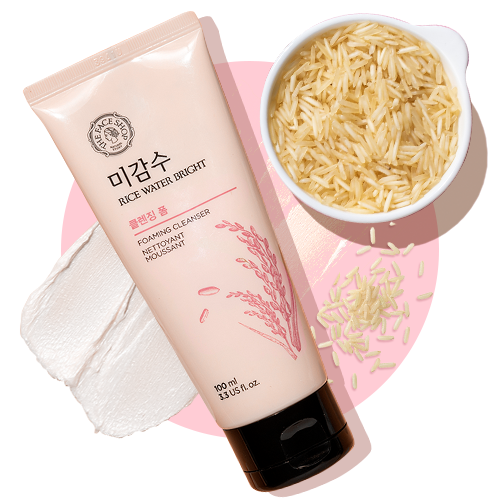
For example, Rice Water Bright Cleansing Foam from The Face Shop offers gentle yet effective cleansing with brightening benefits, making it a smart pick for humid Indian weather.
4. Ingredient Spotlight: What to Look for (and Avoid) in Monsoon Cleansers
Choosing the right ingredients is crucial. Here’s a quick guide:
- Salicylic Acid: Penetrates pores to clear oil and prevent breakouts. Ideal for oily and acne-prone skin.
- Green Tea: Soothes irritation and controls excess sebum, perfect for humid climates.
- Rice Water: Brightens and gently exfoliates, suitable for all skin types.
- Niacinamide: Reduces inflammation and supports the skin barrier.
- Avoid: Harsh sulfates (SLS), heavy oils, and strong fragrances that can irritate or clog pores.
Indian consumers often overlook ingredient lists, but a quick scan can help you avoid common monsoon skin woes.
5. Comparing Cleansers: Gel, Foam, or Cream - What’s Best for Indian Monsoon?
Not all cleansers are created equal, especially in India’s diverse climate. Here’s how the main types stack up:
- Gel Cleansers: Lightweight, rinse easily, and control oil. Best for oily and combination skin.
- Foam Cleansers: Offer a deep clean but can be drying if they contain harsh surfactants. Choose sulfate-free options like Rice Water Bright Cleansing Foam.
- Cream Cleansers: Hydrating but may leave residue in humid weather. Better for dry skin or as a second cleanse.
For most Indians during monsoon, a gentle gel or foam cleanser strikes the right balance between freshness and protection.
6. Real-World Example: How a Monsoon Cleanser Swap Saved My Skin
As someone living in Chennai, I struggled with sudden breakouts every June. My usual creamy cleanser left my skin sticky and congested. After switching to a gentle, oil-controlling foam cleanser, my skin felt fresher, and breakouts reduced by half within three weeks. This experience is echoed by many Indian users who report clearer, brighter skin after making the monsoon cleanser swap.
Tip: Track your skin’s response for two weeks after switching cleansers to see real results.
7. Budget vs. Premium: What to Expect When You Spend More on a Monsoon Cleanser
Indian consumers often wonder if higher-priced cleansers deliver better results. Here’s what you need to know:
- Budget (INR 200–500): Basic gel cleansers with salicylic acid or tea tree oil. Effective for oil control but may lack soothing or brightening benefits.
- Mid-range (INR 500–1200): Sulfate-free foams with added actives like niacinamide or rice water. Balanced cleansing and skin tone improvement.
- Premium (INR 1200+): Advanced formulations with multiple actives, gentle surfactants, and skin barrier support. Often more suitable for sensitive or combination skin.
Remember, the best cleanser is one that matches your skin’s needs and fits your budget. Always check for ingredient transparency and user reviews.
8. How to Build a Complete Monsoon Skincare Routine (Beyond Cleansing)
Swapping your cleanser is just the first step. For optimal results, pair your monsoon cleanser with:
- Lightweight moisturizer: Hydrates without heaviness. Explore options in our Emulsion | Lotion & Moisturizers collection.
- Weekly mask: Clay or sheet masks help control oil and brighten skin. Browse our Masks for monsoon-friendly picks.
- Non-comedogenic sunscreen: Essential even on cloudy days to prevent pigmentation.
Pro tip: Avoid layering too many products, which can clog pores in humid weather.
9. Common Myths About Monsoon Cleansing - Busted!
-
Myth: “Washing more often keeps skin clear.”
Fact: Over-cleansing strips your skin, causing rebound oiliness. -
Myth: “Creamy cleansers are always gentler.”
Fact: In humid Indian weather, they can trap sweat and bacteria. -
Myth: “Natural ingredients are always safe.”
Fact: Some natural oils can clog pores or cause irritation in the monsoon.
10. Quick Checklist: How to Choose Your Monsoon Cleanser
- Check for oil-control and brightening ingredients
- Pick sulfate-free, non-comedogenic formulas
- Match your skin type (gel for oily, foam for combo, cream for dry)
- Read user reviews from Indian consumers
- Test for two weeks and observe changes
Ready to make the swap? Explore our Best Korean Cleansers for monsoon-perfect options.
FAQ
Why do I get more breakouts during the monsoon in India?
Monsoon humidity increases oil and sweat production, leading to clogged pores and breakouts. Using a cleanser not suited for humid weather can worsen this problem.
How often should I wash my face during the monsoon?
Twice daily is ideal. Over-washing can strip your skin, causing rebound oiliness and irritation.
What ingredients should I look for in a monsoon cleanser?
Look for salicylic acid, green tea, rice water, or niacinamide. Avoid harsh sulfates and heavy oils.
Can I use the same cleanser all year round?
It’s best to adjust your cleanser based on the season. Monsoon requires oil-control and non-comedogenic formulas, while winter may need more hydration.
Are premium cleansers worth the higher price in India?
Premium cleansers often offer gentler surfactants and added actives for sensitive skin, but many budget options are effective if they match your skin type and needs.