
Quick Summary
Discover why your regular cleanser may not protect your skin during India's monsoon. Learn how to choose the right monsoon cleanser for clear, healthy skin in humid weather.
Monsoon in India brings much-needed relief from the heat, but it also creates a unique set of skincare challenges. If you’ve noticed more breakouts, dullness, or sticky skin during this season, your cleanser could be the culprit. Here’s why making a monsoon cleanser swap is essential - and how to choose the right one for your skin.
1. Why Monsoon Demands a Cleanser Change: The Science Behind Humid Skin
India’s monsoon humidity can spike up to 90% in cities like Mumbai and Kolkata. This high moisture in the air leads to increased oil (sebum) production and sweat, which can clog pores and trigger breakouts. Regular cleansers, especially those designed for dry or winter skin, may not remove this excess oil or pollution effectively. In fact, they can leave behind residue, making your skin feel greasy or congested.
- Fact: A 2023 study in the Indian Journal of Dermatology found that humid weather increases sebum output by up to 50% in Indian adults.
- Tip: If your skin feels sticky or looks shiny by midday, it’s time to rethink your cleanser.
2. Common Monsoon Skin Problems: Are You Using the Wrong Cleanser?
During monsoon, many Indians experience:
- Frequent breakouts and acne, especially on the forehead and chin
- Blackheads and whiteheads due to clogged pores
- Dull, tired-looking skin from pollution and sweat buildup
- Fungal infections in oily areas (like around the nose)
Using a heavy, creamy, or overly stripping cleanser can worsen these issues. Instead, a monsoon-appropriate cleanser should be gentle, non-comedogenic, and effective at removing oil without drying out your skin.
3. What Makes a Cleanser 'Monsoon-Ready'?
Look for these features in your monsoon cleanser:
- Gentle foaming action: Removes oil and sweat without harshness
- Oil-controlling ingredients: Such as salicylic acid, green tea, or niacinamide
- Non-stripping formulas: Avoids sulfates and SLS, which can irritate skin
- Brightening agents: Like rice water or vitamin C to combat dullness
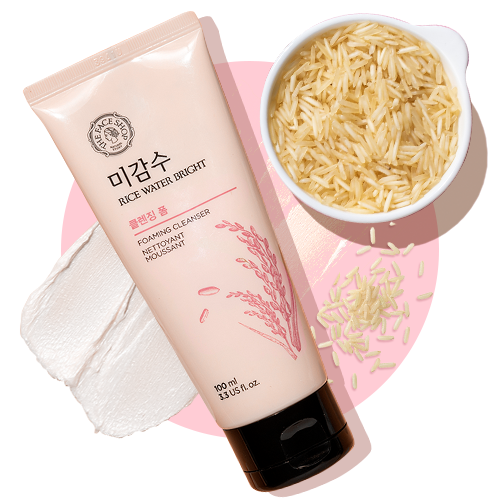
For example, Rice Water Bright Cleansing Foam from The Face Shop is formulated to gently cleanse and brighten, making it ideal for humid Indian weather.
4. Ingredient Spotlight: What to Seek (and Avoid) in Monsoon Cleansers
Choosing the right ingredients is key for monsoon skincare changes:
- Salicylic Acid: Penetrates oily pores and helps prevent breakouts. Widely recommended by Indian dermatologists for acne-prone skin.
- Niacinamide: Controls oil and soothes redness, suitable for sensitive Indian skin tones.
- Green Tea Extract: Antioxidant-rich and calms inflammation, perfect for humid climates.
- Rice Water: Brightens and gently exfoliates, a traditional Asian ingredient now popular in India.
- Avoid: Harsh sulfates (SLS), heavy oils, and artificial fragrances, which can irritate or clog pores.
Always check the ingredient list and opt for products that match your skin’s needs and the Indian climate.
5. Comparing Cleansers: What Works Best for Indian Skin in Monsoon?
Let’s compare popular cleanser types for monsoon:
| Type | Pros | Cons | Best For |
|---|---|---|---|
| Gel Cleansers | Lightweight, oil-controlling, non-comedogenic | May be drying for very dry skin | Oily, combination skin |
| Foam Cleansers | Deep cleanses, removes sweat and pollution | Choose sulfate-free to avoid irritation | Normal to oily skin |
| Cream Cleansers | Hydrating, gentle | Can leave residue in humidity | Dry skin (use with caution in monsoon) |
For most Indian consumers, a gentle foaming or gel cleanser is the safest bet during monsoon. Products like Rice Water Bright Cleansing Foam offer a balanced approach for daily use.
6. INR Value: What Should You Pay for a Good Monsoon Cleanser?
Effective monsoon cleansers in India are available across a wide price range. Here’s what to expect:
- Budget (INR 200–400): Basic gel cleansers with minimal actives, suitable for teens or first-time users.
- Mid-range (INR 400–900): Cleansers with proven actives like salicylic acid, niacinamide, or rice water. These offer better results for most skin types.
- Premium (INR 900+): Advanced Korean or Japanese formulas with brightening and soothing ingredients, ideal for those seeking visible radiance and gentle care.
Remember, a higher price doesn’t always mean better results. Focus on ingredients and suitability for your skin type. For a curated selection, explore our Best Korean Cleansers collection.
7. How to Transition Your Routine: Step-by-Step Monsoon Cleanser Swap
Switching cleansers is simple but requires attention:
- Patch Test: Always test a new cleanser on your jawline for 24 hours.
- Start Gradually: Use your new cleanser once daily for the first week, then increase to twice daily if no irritation occurs.
- Monitor Results: Look for reduced oiliness, fewer breakouts, and a fresher feel by week two.
- Pair Wisely: Use lightweight moisturizers from our Emulsion | Lotion & Moisturizers collection to avoid over-drying.
Tip: Avoid using harsh scrubs or exfoliants alongside your new cleanser, as this can irritate monsoon-sensitive skin.
8. Beyond Cleansing: Complete Monsoon Skincare for Indian Weather
While the right cleanser is crucial, your full routine matters:
- Moisturize: Even oily skin needs hydration. Choose gel-based or emulsion moisturizers.
- Mask Weekly: Clay or sheet masks can help control oil and brighten skin. See our Masks collection for options.
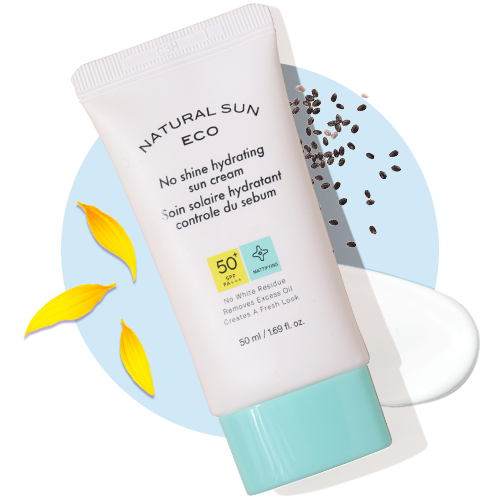
- Sun Protection: Don’t skip sunscreen, even on cloudy days.
- Stay Consistent: Results come with regular use and patience.
Remember, monsoon skincare changes are about balance - not stripping your skin, but keeping it clean and healthy.
9. Myth Busting: Common Misconceptions About Monsoon Cleansers in India
-
Myth: You don’t need to cleanse as often in monsoon.
Fact: Increased sweat and pollution make twice-daily cleansing essential. -
Myth: Only oily skin needs a cleanser swap.
Fact: All skin types benefit from a formula suited to humidity. -
Myth: Natural or homemade cleansers are always safer.
Fact: Many DIY cleansers lack the pH balance and efficacy of well-formulated products.
10. Real Results: What to Expect After Swapping Your Cleanser
Within two weeks of switching to a monsoon-appropriate cleanser, most users notice:
- Less oiliness and shine throughout the day
- Fewer breakouts and clogged pores
- Brighter, more even-toned skin
- Improved comfort and confidence, even in humid weather
Every skin is unique, so track your progress and adjust as needed. If you have persistent skin issues, consult a dermatologist for personalized advice.
FAQ
Why is my skin oilier during the monsoon in India?
High humidity during monsoon increases sweat and sebum production, leading to oilier skin and a higher risk of breakouts. This is especially common in Indian cities with high moisture and pollution.
How often should I cleanse my face during monsoon?
Cleansing twice daily—morning and evening—is recommended to remove excess oil, sweat, and pollutants. Avoid over-cleansing, which can irritate your skin.
Can I use my winter cleanser during monsoon?
Winter cleansers are often too rich or creamy for humid weather and may leave residue or clog pores. It’s best to switch to a lightweight, foaming or gel cleanser during monsoon.
What ingredients should I avoid in a monsoon cleanser?
Avoid harsh sulfates (like SLS), heavy oils, and artificial fragrances, as these can irritate or clog pores in humid conditions.
How soon will I see results after switching my cleanser?
Most users notice less oiliness and fewer breakouts within two weeks of switching to a monsoon-appropriate cleanser, provided they use it consistently.