

Quick Summary
Discover why your skin feels dull and grimy during the Indian monsoon, even after cleansing. Learn how to choose a brightening, non-stripping cleanser for a real glow in humid weather.
Have you ever noticed that, despite your best efforts, your skin still feels sticky, dull, or even grimy during the monsoon? You’re not alone. Many Indians experience persistent skin dullness and residue in humid weather, even after regular cleansing. Let’s uncover why this happens and how the right cleanser can transform your monsoon skincare routine.
1. The Monsoon Skin Paradox: Why Cleansing Isn’t Enough
Monsoon humidity brings a unique set of skin challenges. While you might expect rain to wash away impurities, the truth is that high moisture in the air can trap sweat, oil, and pollution on your skin. This leads to a persistent layer of grime that regular cleansers often fail to remove.
- Humidity increases sebum production, making oily skin even oilier and attracting more dust and pollutants.
- Frequent cleansing with harsh products can strip your skin, causing rebound oiliness and dullness.
- According to a 2023 survey by Nykaa, over 60% of Indian consumers reported feeling their skin was never fully clean during the monsoon, despite washing twice daily.
Understanding this paradox is the first step to achieving a real glow.
2. What Makes Monsoon Dullness Different?
Unlike winter dryness or summer tanning, monsoon dullness is characterized by a combination of excess oil, sweat, and environmental pollutants. This unique cocktail can:
- Clog pores, leading to breakouts and uneven skin tone
- Cause a persistent sticky feeling, especially in metro cities like Mumbai and Kolkata
- Make even bright skin look lackluster due to micro-particle buildup
Traditional cleansers may not be formulated to tackle this specific mix, leaving behind residue that dulls your complexion.
3. The Hidden Culprit: Humidity-Induced Buildup
In Indian cities, air pollution levels can spike during the monsoon. Combined with humidity, this creates a film of grime that’s tough to remove. Many cleansers simply move this layer around rather than lifting it away.
- Dermatologists recommend looking for cleansers with gentle surfactants and brightening agents that can dissolve both oil and particulate matter.
- Ingredients like rice water and niacinamide are especially effective for Indian skin tones, offering both cleansing and brightening benefits.
Choosing the right formula is crucial for a truly clean, radiant face.
4. Brightening, Non-Stripping Cleansers: What to Look For
Not all face washes are created equal. During the monsoon, your ideal cleanser should:
- Remove excess oil and grime without leaving skin tight or dry
- Contain brightening ingredients like rice water, vitamin C, or niacinamide
- Be free from harsh sulfates and alcohols that can trigger rebound oiliness
- Suit a range of Indian skin tones and sensitivities
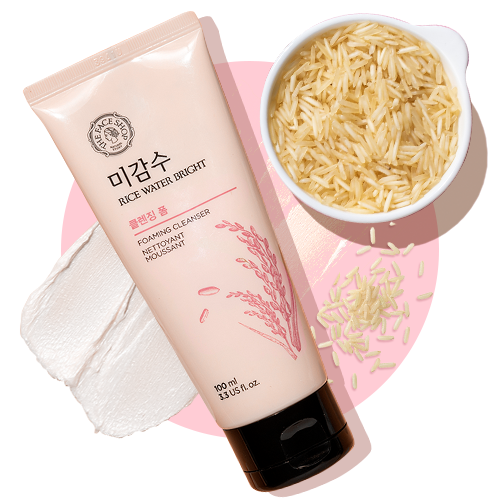
For example, The Face Shop Rice Water Bright Cleansing Foam is a popular choice in India. Its creamy texture lifts away impurities while rice water extract helps brighten and even out skin tone. At around INR 650 for 150 ml, it offers excellent value for daily use.
5. Comparing Cleansing Approaches: Gel, Foam, or Oil?
Choosing the right texture can make a big difference in humid weather:
- Gel cleansers are lightweight and ideal for oily or combination skin. They rinse off easily and don’t leave residue.
- Foam cleansers (like The Face Shop Rice Water Bright Cleansing Foam) offer a deep clean and are suitable for most skin types, especially when formulated without harsh surfactants.
- Oil cleansers can be effective for removing waterproof sunscreen and makeup but may feel heavy in high humidity unless followed by a water-based cleanser.
For most Indians, a gentle foam or gel cleanser with brightening actives strikes the right balance during the monsoon.
6. The Role of Ingredients: What Really Works in Indian Humidity?
Ingredient selection is key for monsoon skincare. Look for:
- Rice water extract: Known for its brightening and soothing properties, ideal for dull, uneven skin.
- Niacinamide: Helps control oil, reduce redness, and even out skin tone.
- Glycerin and hyaluronic acid: Hydrate without heaviness, preventing post-cleansing dryness.
- Natural surfactants: Such as cocoyl isethionate, which cleanse gently without stripping.
Always check the ingredient list and avoid products with high alcohol or sulfate content, which can worsen monsoon skin concerns.
7. Building a Monsoon-Proof Cleansing Routine
For best results, follow this simple, India-specific routine:
- Morning: Use a brightening, non-stripping cleanser to remove overnight oil and sweat.
- Evening: Double cleanse if you wear sunscreen or makeup. Start with a gentle oil cleanser, then follow with a foam or gel cleanser.
- Tone and treat: After cleansing, use a hydrating toner from our Toners collection to rebalance skin pH and prep for serums.
- Moisturize: Choose a lightweight, non-comedogenic moisturizer suitable for humid weather.
Consistency is key. Avoid over-cleansing, which can trigger more oil production.
8. Trade-Offs: Price, Performance, and Skin Sensitivity
When choosing a cleanser, consider:
- Price: Effective cleansers are available in India from INR 300 to INR 1000. Higher price doesn’t always mean better results - focus on ingredients and suitability for your skin type.
- Performance: Look for visible improvements in brightness and reduced stickiness within 1-2 weeks of consistent use.
- Sensitivity: If you have sensitive or acne-prone skin, patch test new products and opt for fragrance-free formulas.
Explore our Best Korean Cleansers collection for options tailored to Indian skin and climate.
9. Real Results: What to Expect (and What Not To)
With the right cleanser, you can expect:
- Noticeably cleaner, brighter skin within 7-10 days
- Reduced oiliness and fewer breakouts
- Less sticky feeling, even on humid days
However, no cleanser can change your skin overnight. For persistent dullness or pigmentation, consider adding targeted treatments from our Uneven Skin Tone collection. Always consult a dermatologist for severe or ongoing concerns.
10. Quick Checklist: Monsoon Cleansing Essentials
- Choose a brightening, non-stripping cleanser with proven ingredients
- Cleanse twice daily, but avoid harsh scrubbing
- Follow up with toner and lightweight moisturizer
- Patch test new products, especially if you have sensitive skin
- Be patient - consistent care delivers the best glow
Ready to upgrade your monsoon routine? Shop our recommended cleansers and see the difference for yourself.
FAQ
Why does my skin still feel sticky after washing during the monsoon?
High humidity in India traps sweat, oil, and pollution on your skin, creating a layer that many regular cleansers can't fully remove. Using a brightening, non-stripping cleanser designed for humid weather can help eliminate this residue.
How often should I cleanse my face during the monsoon?
Twice daily is ideal—once in the morning and once at night. Over-cleansing can strip your skin and trigger more oil production, so avoid washing more than necessary.
What ingredients should I look for in a monsoon cleanser?
Look for rice water, niacinamide, glycerin, and gentle surfactants. Avoid high alcohol or sulfate content, which can worsen dullness and sensitivity.
Are foam cleansers suitable for all skin types in Indian humidity?
Foam cleansers, especially those without harsh sulfates, are suitable for most skin types in humid weather. If you have very dry or sensitive skin, opt for a gentle gel or cream-based cleanser.
How long does it take to see results from a new cleanser?
Most people notice cleaner, brighter skin within 7-10 days of consistent use. For persistent dullness or pigmentation, consider adding targeted treatments and consult a dermatologist if needed.