
Quick Summary
Discover why your usual cleanser and serum may stop working during India's monsoon, how humidity and skin changes play a role, and the best ways to adapt your skincare routine for healthy, glowing skin.
Have you noticed your skin acting up as soon as the monsoon arrives? If your trusted cleanser leaves you oily or your serum feels sticky and ineffective, you are not alone. India's monsoon brings a dramatic shift in humidity, temperature, and pollution, all of which can disrupt your skin's balance. This guide explains why your usual products may stop working, how to spot these changes, and how to adapt your skincare routine for healthy, glowing skin all season.
1. Why Monsoon Weather Changes Everything for Your Skin
Monsoon in India means soaring humidity, unpredictable rain, and a spike in pollution - especially in metro cities. These environmental shifts can:
- Increase sweat and sebum (oil) production, making skin feel greasy.
- Weaken your skin barrier, leading to more sensitivity and breakouts.
- Encourage bacterial and fungal growth, raising the risk of acne and rashes.
According to dermatologists cited in Nykaa and Vogue India, these factors can make even the best products behave unpredictably. If your skin suddenly feels different, it is likely reacting to these monsoon-specific triggers.
2. The Science: How Humidity Alters Skin Barrier & Microbiome
High humidity affects your skin's outer layer (the barrier) and its microbiome - the community of good bacteria that keeps skin healthy. During monsoon:
- Your skin barrier can become more porous, losing its ability to lock in moisture and keep out irritants.
- Excess moisture can disrupt the balance of your skin's microbiome, making it easier for harmful bacteria to thrive.
Studies published on NCBI confirm that these shifts can lead to increased breakouts, dullness, and sensitivity. This is why your regular cleanser or serum may suddenly feel too harsh or ineffective.
3. Signs Your Cleanser & Serum Aren't Working This Season
How do you know it is time to switch things up? Watch for these common signs during the monsoon:
- Skin feels greasy or sticky soon after cleansing.
- Serum pills, sits on top, or causes breakouts.
- Increased redness, itching, or patchiness.
- Visible dullness or uneven skin tone.
If you notice these, your products may not be compatible with the current climate. It is not about the brand - it is about the formula and your skin's changing needs.
4. Why Your Usual Cleanser May Backfire in Humid Weather
Many Indian consumers use foaming or gel cleansers year-round. But during the monsoon, these can:
- Strip natural oils, causing rebound oiliness.
- Fail to remove sweat and pollution effectively, leading to clogged pores.
- Leave a residue that feels sticky in high humidity.
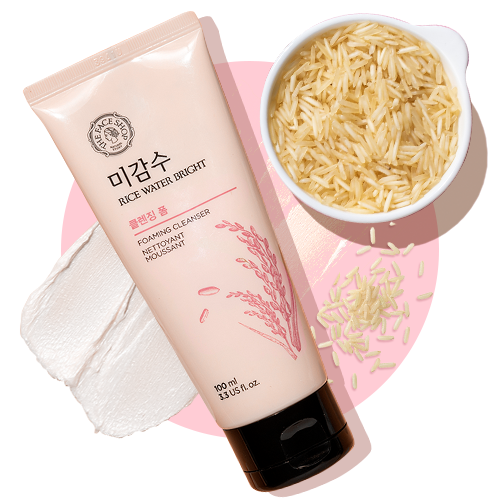
For example, a cleanser that worked in dry winter air may now leave your skin feeling tight or, paradoxically, even oilier. Consider switching to a gentle, pH-balanced cleanser. Rice Water Bright Cleansing Foam from The Face Shop is formulated to cleanse without over-drying, making it suitable for humid Indian weather.
5. The Serum Dilemma: Why Actives Can Irritate or Underperform
Serums with actives like Vitamin C or Niacinamide are popular for brightening and controlling oil. However, during the monsoon:
- High humidity can make heavy or oily serums feel suffocating.
- Some actives may increase sensitivity if your barrier is already compromised.
- Water-based serums may not absorb well, leading to pilling or stickiness.
Look for lightweight, non-comedogenic formulas. For instance, Vitamin C in stable forms (like ethyl ascorbic acid) works well for brightening without heaviness. Always patch-test new serums, especially in this season.
6. How to Adapt: Building a Monsoon-Proof Skincare Routine
Here is a step-by-step approach to keep your skin healthy and glowing during the monsoon:
- Cleanse: Use a gentle, non-stripping cleanser twice daily. Try Vitamin C Brightening Foaming Face Wash for effective yet mild cleansing.
- Treat: Opt for lightweight serums with Vitamin C or Niacinamide. Avoid layering too many actives.
- Moisturise: Choose gel-based or emulsion moisturisers. Ceramide & Rice Lightweight Emulsion is a good pick for barrier repair without heaviness.
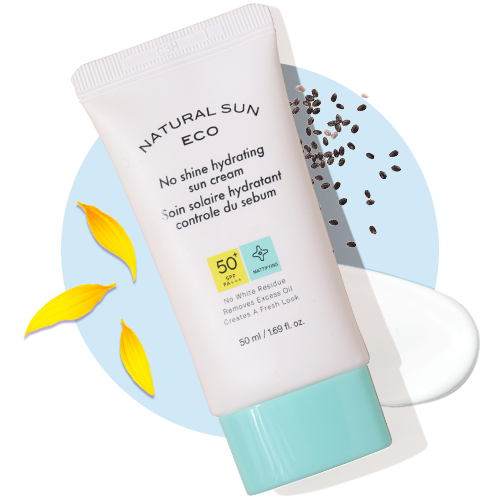
- Protect: Do not skip sunscreen, even on cloudy days.
Mini-checklist for product selection:
- Look for "oil-free" or "non-comedogenic" labels.
- Prefer pump packaging to avoid contamination.
- Check for expiry dates - humidity can degrade actives faster.
7. Ingredient Spotlight: What Works (and What to Avoid) in Monsoon
Some ingredients shine in humid weather, while others can cause trouble. Here is what to look for:
- Best for Monsoon: Vitamin C (brightening), Niacinamide (oil control), Ceramides (barrier repair), Hyaluronic Acid (light hydration).
- Use with Caution: Heavy oils, thick creams, high concentrations of exfoliating acids.
For concerns like dark spots or uneven skin tone, stick to gentle actives and avoid over-exfoliating, which can worsen sensitivity in the monsoon.
8. Real-World Examples: Adapting Skincare Across Indian Cities
Monsoon conditions vary across India. For example:
- Mumbai & Chennai: High humidity and pollution. Opt for lightweight, anti-pollution cleansers and serums.
- Delhi & Kolkata: Humidity plus dust. Double cleansing at night can help remove grime.
- Bangalore & Pune: Moderate humidity. Balance hydration and oil control.
In all regions, INR 500–1000 can get you a quality cleanser or serum suitable for monsoon needs. Investing in the right formula saves you money on treating breakouts or pigmentation later.
9. Trade-Offs: Should You Switch Products or Adjust Your Routine?
Switching products is not always necessary. Sometimes, adjusting how you use them is enough:
- Reduce frequency of strong actives if you notice irritation.
- Use less product - humidity helps absorption.
- Consider alternating between two cleansers (gentle AM, deeper PM).
However, if your skin is consistently unhappy, it is worth investing in monsoon-appropriate products. Always patch-test and introduce one change at a time.
10. When to See a Dermatologist: Knowing Your Limits
If you experience persistent breakouts, rashes, or sudden changes in pigmentation, consult a qualified dermatologist. Monsoon can trigger fungal infections or flare-ups of existing skin conditions. Professional advice is especially important if you have sensitive or allergy-prone skin.
Key Takeaways: Monsoon Skincare Success in India
- Humidity and pollution during the monsoon can disrupt your skin barrier and microbiome.
- Your usual cleanser or serum may stop working due to these changes.
- Switch to gentle, lightweight, and non-comedogenic formulas for best results.
- Adapt your routine based on your region and skin response.
- Consult a dermatologist for persistent or severe skin issues.
FAQ
Why does my skin feel oilier during the monsoon?
High humidity increases sweat and sebum production, making skin feel greasy. Pollution and moisture can also clog pores, leading to more oiliness.
Should I stop using serums in the monsoon?
Not necessarily. Switch to lightweight, non-comedogenic serums with stable actives like Vitamin C or Niacinamide. Avoid heavy or oily formulas.
How often should I cleanse my face during the monsoon?
Twice daily is ideal—morning and evening. Use a gentle, pH-balanced cleanser to avoid over-stripping your skin.
Can I use the same skincare products year-round?
Some products may work year-round, but your skin's needs change with the seasons. Adjust formulas and textures based on humidity and your skin's response.
When should I see a dermatologist for monsoon skin issues?
If you experience persistent breakouts, rashes, or sudden pigmentation changes, consult a dermatologist. Monsoon can trigger fungal infections or worsen existing conditions.