
Quick Summary
Think monsoon skincare is just about hydration? Discover why your routine might be making dark spots worse and how to actually fade them in India.
The Monsoon Myth: Hydration is Everything?
Monsoon season in India brings relief from the scorching heat, but it also brings humidity and often, a misconception about skincare. Many believe that monsoon skincare is solely about hydration and oil control. While these are important, focusing only on them can actually worsen dark spots. The culprit? Neglecting sun protection on cloudy days.
Why Cloudy Days Still Mean Sun Damage (Yes, Really!)
It's a common myth that you don't need sunscreen on cloudy days. However, up to 80% of the sun's harmful UV rays can penetrate clouds. These rays stimulate melanin production, leading to hyperpigmentation and making existing dark spots darker. Think of it this way: even if you can't see the sun, your skin can still feel its effects. A study published in the National Center for Biotechnology Information (NCBI) highlights the importance of year-round sun protection, regardless of weather conditions.
The Hyperpigmentation Culprits: Beyond the Sun
While sun exposure is a major trigger, other factors contribute to dark spots during the monsoon:
- Increased Humidity: Creates a breeding ground for bacteria and fungal infections, which can lead to post-inflammatory hyperpigmentation (PIH).
- Aggressive Exfoliation: Over-exfoliating to combat oiliness can damage the skin barrier, making it more susceptible to sun damage and irritation.
- Ignoring Underlying Conditions: Conditions like melasma can worsen during the monsoon due to hormonal fluctuations and increased sun sensitivity.
Is Your 'Hydrating' Routine Actually Hurting You?
Many monsoon skincare routines focus heavily on hydration, which is essential. However, using the wrong hydrating products can exacerbate the problem. For example, heavy, occlusive moisturizers can trap sweat and oil, leading to breakouts and subsequent PIH. Look for lightweight, non-comedogenic options. Consider gel-based moisturizers with hyaluronic acid, which draw moisture into the skin without clogging pores. You can find great options at stores like Winter Moisturizer.
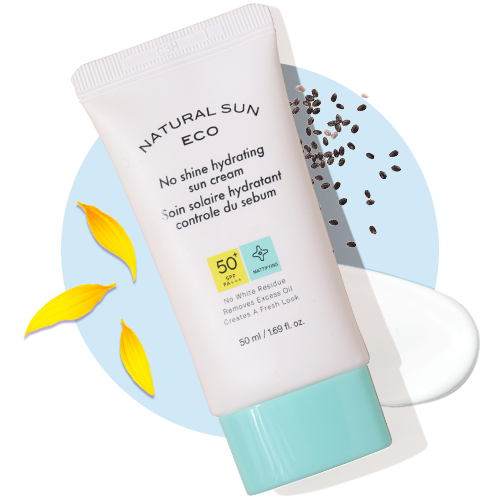
Sunscreen 101: Choosing the Right Formula for Humid Weather
Choosing the right sunscreen is crucial. Here's what to look for:
- Broad Spectrum Protection: Protects against both UVA and UVB rays.
- SPF 30 or Higher: Provides adequate protection for daily use.
- Lightweight and Non-Comedogenic: Won't clog pores or feel heavy on the skin.
- Water-Resistant: Essential for humid weather, especially if you sweat a lot.
Consider mineral sunscreens containing zinc oxide or titanium dioxide, as they are generally well-tolerated by sensitive skin. Reapply every two hours, especially after sweating or swimming. Many Indian brands offer affordable and effective sunscreen options starting from around INR 300.
Targeted Treatments: Actives That Fight Dark Spots
Incorporate targeted treatments into your routine to fade existing dark spots:
- Vitamin C: A potent antioxidant that brightens the skin and inhibits melanin production. Look for serums with 10-20% concentration. Try Vitamin C Brightening Foaming Face Wash 150ml.
- Niacinamide: Reduces inflammation, minimizes pores, and improves skin tone.
- Alpha Hydroxy Acids (AHAs): Exfoliate the skin and promote cell turnover. Use with caution, as they can increase sun sensitivity.
- Retinoids: Powerful ingredients that stimulate collagen production and reduce hyperpigmentation. Start with a low concentration and gradually increase as tolerated.
Always patch-test new products before applying them to your entire face.
The Indian Skin Advantage: Understanding Your Melanin
Indian skin is rich in melanin, which provides natural protection against sun damage. However, it also means that we are more prone to hyperpigmentation. Understanding your skin type and its specific needs is crucial. Consult a dermatologist to determine the best treatment plan for your individual concerns. Many dermatologists in India offer online consultations starting from INR 500.
Building Your Monsoon-Proof Dark Spot Fading Routine
Here's a sample routine:
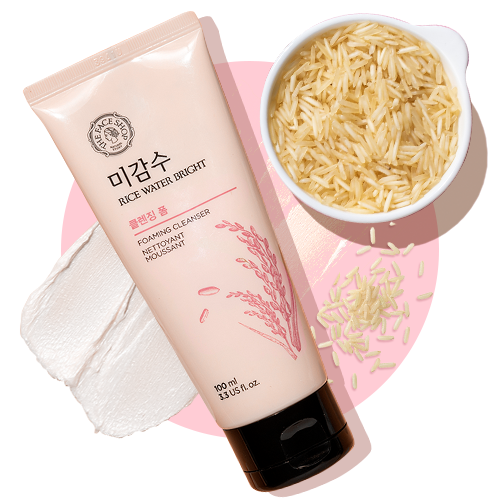
- Cleanse: Use a gentle, non-stripping cleanser like Rice Water Bright Cleansing Foam 100 ml.
- Serum: Apply a Vitamin C serum in the morning.
- Moisturize: Use a lightweight, gel-based moisturizer.
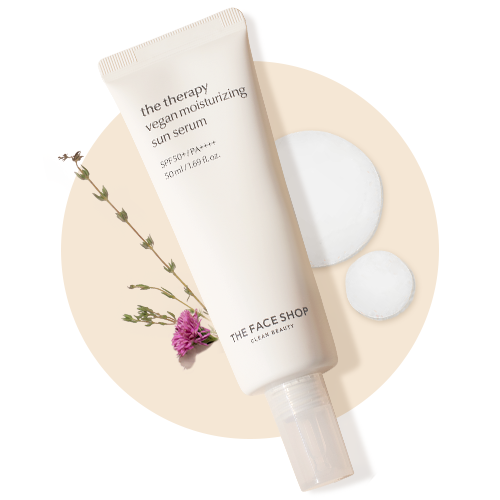
- Sunscreen: Apply a broad-spectrum, SPF 30+ sunscreen every morning and reapply throughout the day.
- Night Treatment: Use a niacinamide or retinoid serum at night.
Don't Forget the Basics: Lifestyle Factors Matter
Skincare is not just about products; lifestyle factors also play a significant role. Stay hydrated by drinking plenty of water, eat a balanced diet rich in antioxidants, and get enough sleep. These habits will contribute to overall skin health and help prevent dark spots.
When to See a Dermatologist: A Final Word
If your dark spots are severe or persistent, consult a dermatologist. They can recommend prescription-strength treatments like hydroquinone or chemical peels. Remember, consistency and patience are key to achieving visible results. Fading dark spots takes time, but with the right routine and sun protection, you can achieve a brighter, more even complexion, even during the monsoon.
FAQ
Can I use Vitamin C serum during the day?
Yes, Vitamin C serum is most effective when used in the morning, as it provides antioxidant protection against sun damage. However, always follow it with sunscreen.
How often should I exfoliate during the monsoon?
Limit exfoliation to once or twice a week to avoid over-drying and irritating the skin.
Are home remedies effective for fading dark spots?
While some home remedies like lemon juice and turmeric are often touted for their brightening properties, they can be irritating and may not be as effective as targeted treatments. It's best to stick to scientifically proven ingredients.
What SPF should I use on cloudy days?
You should use an SPF of 30 or higher, even on cloudy days, to protect your skin from harmful UV rays.
Can stress cause dark spots?
While stress doesn't directly cause dark spots, it can trigger hormonal imbalances that worsen existing hyperpigmentation.