
Quick Summary
Confused between niacinamide and alpha arbutin for dark spots? Discover which active suits Indian skin, climate, and budget best in this evidence-led showdown.
Niacinamide vs. Alpha Arbutin: The Dark Spot Showdown Indian Dermatologists Aren't Talking About Enough
Dark spots and hyperpigmentation are among the most common skincare concerns in India, thanks to our sun exposure, pollution, and diverse skin tones. If you’re searching for the best active ingredient to fade those stubborn marks, you’ve likely come across two heavyweights: niacinamide and alpha arbutin. But which one truly works better for Indian skin - and is there a clear winner? Let’s break down the science, the real-world results, and the practical trade-offs so you can make the best decision for your routine and budget.
1. Why Dark Spots Are So Persistent for Indian Skin
Indian skin is genetically more prone to hyperpigmentation due to higher melanin content. Combine this with intense UV exposure and urban pollution, and you have a recipe for stubborn dark spots. According to a 2022 study published in the Indian Journal of Dermatology, over 60% of Indian adults report some form of pigmentation issue. This means actives that target melanin production are especially relevant here.
- Sun exposure: Even short periods outdoors can trigger melanin production.
- Pollution: Increases oxidative stress, worsening pigmentation.
- Post-acne marks: Common in humid Indian climates due to frequent breakouts.
Understanding these triggers helps you choose actives that work with - not against - your skin’s unique needs.
2. Niacinamide: The Multi-Tasker for Indian Skin
Niacinamide, a form of vitamin B3, is a dermatologist favorite for its versatility. It’s widely available in India, from budget brands like Minimalist to international favorites like The Ordinary. Here’s why it’s so popular:
- Reduces dark spots: Inhibits melanin transfer, gradually fading hyperpigmentation.
- Controls oil: Especially useful for oily, acne-prone skin common in Indian summers.
- Strengthens skin barrier: Helps combat pollution and environmental stressors.
- Low irritation risk: Suitable for sensitive skin, even at higher concentrations (up to 10%).
For example, Vitamin C Brightening Foaming Face Wash often pairs niacinamide with antioxidants for a double-brightening effect, making it a smart choice for those with multiple concerns.
3. Alpha Arbutin: The Precision Pigment Fighter
Alpha arbutin is a newer entrant in the Indian market but is gaining traction for its targeted action on dark spots. Derived from bearberry plant, it directly inhibits tyrosinase, the enzyme responsible for melanin production.
- Focused action: Especially effective for sun spots, melasma, and post-inflammatory hyperpigmentation.
- Gentle alternative: Safer than hydroquinone, which is banned or restricted in many countries due to side effects.
- Works for all skin tones: Minimal risk of lightening surrounding skin, making it ideal for medium to deep Indian complexions.
Alpha arbutin serums are now available from brands like Minimalist and The Ordinary, typically priced between INR 500 and INR 1200 for a 30ml bottle - offering good value for targeted results.
4. Head-to-Head: Which Fades Dark Spots Faster?
Clinical studies show both niacinamide and alpha arbutin reduce hyperpigmentation, but their speed and effectiveness can differ based on your skin’s needs:
- Niacinamide: Shows visible results in 8-12 weeks for most Indian users, with added benefits for oil control and redness.
- Alpha Arbutin: May show spot-fading in as little as 4-8 weeks, especially for sun-induced pigmentation.
However, alpha arbutin’s effects plateau if not combined with sunscreen and antioxidants. Niacinamide, on the other hand, continues to improve overall skin tone and texture over time. For best results, some dermatologists recommend layering both (with a patch test first).
5. Safety, Side Effects, and Suitability for Indian Skin Types
Both actives are generally safe, but there are nuances:
- Niacinamide: Rarely causes irritation, even for sensitive or acne-prone skin. Start with 5% if you’re new.
- Alpha Arbutin: Well-tolerated, but higher concentrations (over 2%) may cause dryness or mild irritation in some users.
For humid Indian weather, opt for lightweight, water-based serums. If you have very oily skin, niacinamide may help control shine. For stubborn, localized spots, alpha arbutin is often more effective.
6. Price, Availability, and Value for Money in India
Budget is a real concern, especially with imported actives. Here’s how the two compare in the Indian market:
- Niacinamide: Widely available from INR 250 (Minimalist) to INR 1200 (The Ordinary). Multi-tasking benefits make it cost-effective for those with several concerns.
- Alpha Arbutin: Slightly pricier, with most serums in the INR 500-1200 range. However, you use less product since it’s applied only to affected areas.
Look for combo deals or bundles, such as those on Acne & Blemish collections, to maximize value.
7. How to Layer Niacinamide and Alpha Arbutin in Your Routine
Many Indian skincare enthusiasts now layer both actives for a synergistic effect. Here’s a simple routine:
- Cleanse with a gentle, non-stripping face wash.
- Apply alpha arbutin serum to dark spots or pigmented areas.
- Follow with niacinamide serum all over the face.
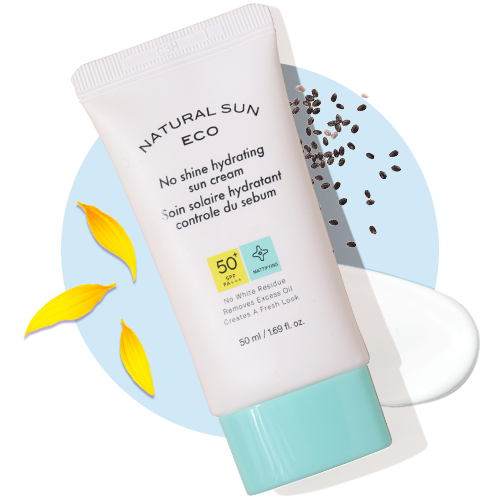
- Seal with a lightweight moisturizer and broad-spectrum sunscreen (SPF 50 is ideal for Indian sun).
Always patch test new actives and introduce one at a time to avoid irritation. For those with sensitive skin, start with alternate-day use.
8. Real-World Results: What Indian Consumers and Dermatologists Say
On platforms like Nykaa and Amazon India, both actives receive high ratings. Niacinamide is praised for its oil control and gradual brightening, while alpha arbutin earns loyalty for fading stubborn sun spots. Dermatologists in India often recommend starting with niacinamide for beginners, then adding alpha arbutin for targeted concerns.
- Consumer tip: Consistency is key - expect visible changes only after 6-12 weeks of daily use.
- Expert insight: Always pair with sunscreen to prevent new spots from forming.
For a gentle introduction, try products from Herbday 365 or explore The Face Shop’s targeted solutions for blemishes and pigmentation.
9. Common Myths and Mistakes to Avoid
- Myth: Higher concentration means faster results. In reality, 5-10% niacinamide and 2% alpha arbutin are optimal for most Indian skin types.
- Mistake: Skipping sunscreen. Even the best actives can’t outpace sun damage.
- Myth: You must choose one or the other. Many routines benefit from both, with proper layering.
Remember, patience and consistency matter more than chasing the highest percentage or the latest trend.
10. The Verdict: Which Should You Choose?
If you want a multi-tasker for oil control, redness, and gradual brightening, niacinamide is your best bet. For stubborn, localized dark spots - especially sun-induced - alpha arbutin may deliver faster results. Many Indian consumers find success by starting with niacinamide and adding alpha arbutin as a booster.
Ultimately, the best choice depends on your skin type, concerns, and budget. Both actives are safe, effective, and widely available in India - so you can confidently build a routine that works for you.
FAQ
Can I use niacinamide and alpha arbutin together on Indian skin?
Yes, you can safely layer niacinamide and alpha arbutin in your routine. Apply alpha arbutin to dark spots first, then niacinamide all over. Always patch test and introduce one new active at a time.
Which is better for oily, acne-prone Indian skin: niacinamide or alpha arbutin?
Niacinamide is often preferred for oily, acne-prone skin because it controls oil and soothes redness. Alpha arbutin is best for targeting specific dark spots. Many routines use both for maximum benefit.
How long does it take to see results from niacinamide or alpha arbutin?
Most Indian users see visible improvement in 6-12 weeks with consistent daily use. Alpha arbutin may show faster spot-fading, while niacinamide offers gradual overall brightening.
Are these actives safe for sensitive Indian skin?
Both niacinamide and alpha arbutin are generally well-tolerated. Start with lower concentrations (5% niacinamide, 2% alpha arbutin) and use alternate days if you have sensitive skin.
Do I still need sunscreen if I use niacinamide or alpha arbutin?
Absolutely. Sunscreen is essential to prevent new dark spots and protect your skin while using these actives. Choose a broad-spectrum SPF 50, especially in the Indian sun.