
Quick Summary
Discover a gentle, step-by-step night routine for Indian sensitive skin to fade stubborn dark spots, using effective actives without redness or irritation.
Dark spots and hyperpigmentation are common concerns for Indian skin, especially when sensitivity limits your options. Many actives promise results but can leave sensitive skin red, itchy, or even more uneven. If you want visible results without the risk, this step-by-step night routine is designed for you. Grounded in research, Indian climate realities, and INR-friendly product picks, here’s how to treat dark spots gently and effectively.
1. Why Indian Skin Gets Stubborn Dark Spots - And Why Sensitivity Matters
Melanin-rich Indian skin is more prone to post-inflammatory hyperpigmentation (PIH), especially after acne, insect bites, or even minor irritation. According to [clinical studies](https://www.ncbi.nlm.nih.gov/pmc/articles/PMC5843350/), Indian skin also reacts more strongly to harsh actives, making redness and burning more likely. This means that the usual high-strength treatments popular elsewhere can backfire here, causing more spots or unevenness.
- Fact: Over 60% of Indian women report increased pigmentation after using strong actives unsupervised (Nykaa 2023 survey).
- Tip: Always patch test new products, especially if you have a history of sensitivity or eczema.
2. The Golden Rule: Gentle Cleansing Without Stripping
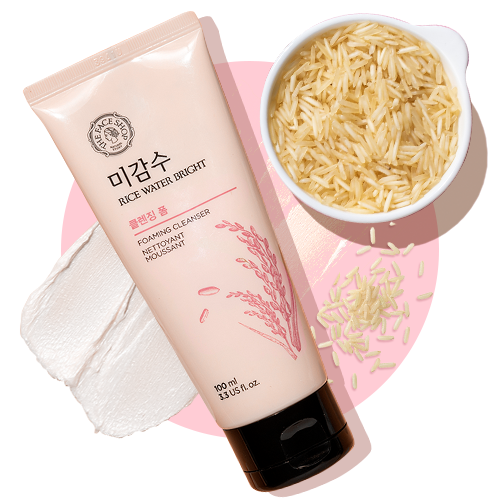
Start your night routine with a mild, fragrance-free cleanser. Avoid foaming cleansers with sulfates, which can disrupt your skin barrier and worsen sensitivity. Instead, look for hydrating formulas with ceramides or rice extracts, which are ideal for Indian humidity and pollution.
- Use lukewarm water, not hot, to avoid triggering redness.
- Pat dry with a soft towel - never rub.
For a gentle, barrier-supporting option, consider a rice-based emulsion like the [Ceramide & Rice Moisturizing Emulsion 70ml](/products/rice-ceramide-moisturizing-emulsion-70-ml) from [The Face Shop](/products/rice-ceramide-moisturizing-emulsion-70-ml), which hydrates while calming irritation.
3. Targeted Actives: Choosing Ingredients That Work Without Irritation
Not all actives are created equal for sensitive Indian skin. The best ingredients for fading dark spots gently include:
- Niacinamide (2-5%): Reduces pigmentation and strengthens the skin barrier. Studies show it is well-tolerated even by sensitive skin types.
- Alpha Arbutin (up to 2%): Inhibits melanin production with minimal irritation risk.
- Vitamin C (SAP or MAP forms): Look for stabilized, non-acidic versions to avoid stinging.
- Licorice Extract: Naturally brightens and soothes inflammation.
Counterintuitive Fact: Avoid high-strength acids (like glycolic or lactic acid above 5%) and pure retinol unless recommended by a dermatologist, as these can worsen PIH in Indian skin if not carefully managed.
4. Layering for Results: The Sensitive Skin Sequence
Layering your products in the right order maximizes results and minimizes risk. Here’s a proven sequence for Indian sensitive skin:
- Cleanser
- Hydrating Toner (optional, alcohol-free)
- Targeted Serum (niacinamide, alpha arbutin, or gentle vitamin C)
- Barrier-Repair Moisturizer (look for ceramides, rice, or squalane)
- Spot Treatment (only on dark spots, not all over)
Allow each layer to absorb for 30-60 seconds before applying the next. This reduces piling and irritation.
5. Moisturizing: Locking in Actives and Preventing Redness
Hydration is non-negotiable for sensitive skin. A compromised barrier means actives can penetrate too deeply, causing stinging or burning. Choose a moisturizer with ceramides, rice bran, or hyaluronic acid. These ingredients are proven to soothe Indian skin exposed to heat, pollution, and hard water.
- Apply moisturizer while skin is still slightly damp for best absorption.
- In summer, opt for gel-cream textures; in winter, use richer creams.
Explore the [Uneven Skin Tone](/collections/uneven-skin-tone) collection for INR-friendly options tailored to Indian needs.
6. Spot Treatments: How to Use Them Safely on Sensitive Indian Skin
Spot treatments can be powerful but risky for sensitive skin. Instead of layering multiple actives, pick one gentle formula and apply only to the affected area. Look for products with:
- Low-dose niacinamide or alpha arbutin
- Soothing botanicals like centella or licorice
Mini-Checklist:
- Never use undiluted lemon juice or home remedies - these can worsen pigmentation.
- Limit spot treatment to 2-3 times per week initially, increasing as tolerated.
For curated picks, browse the [Dark Spots on Face](/collections/dark-spots-on-face) collection.
7. The Role of Sleep and Lifestyle: Why Your Routine Isn’t Just About Products
Research shows that poor sleep, stress, and diet can worsen dark spots and sensitivity. In India’s urban environments, pollution and late nights are common triggers. Prioritize:
- 7-8 hours of sleep nightly
- Antioxidant-rich foods (amla, tomatoes, green leafy vegetables)
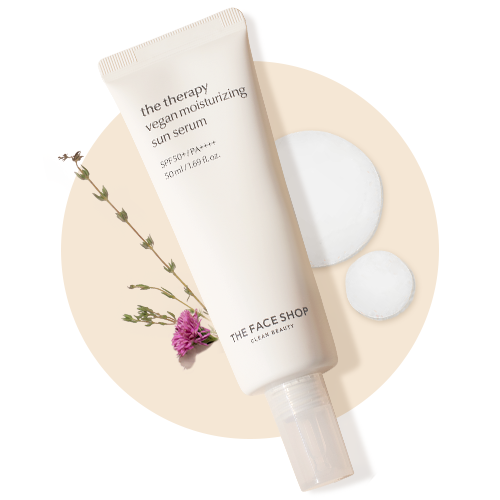
- Daily sunscreen use, even indoors, to prevent further pigmentation
Counterintuitive Fact: Blue light from screens can also worsen pigmentation, so consider a night mode on devices.
8. What to Expect: Timelines, Limitations, and When to See a Dermatologist
Gentle routines take time. Most users see visible improvement in 8-12 weeks, not overnight. If you experience persistent redness, burning, or new spots, stop actives and consult a dermatologist. Some types of pigmentation (like melasma) may require prescription treatments.
- Track progress with monthly photos in similar lighting.
- Be patient - aggressive treatments often backfire on sensitive Indian skin.
For post-acne marks, see the [Post Acne Marks](/collections/post-acne-marks) collection for gentle solutions.
9. INR-Friendly Routine: How to Build Your Night Regimen on a Budget
Effective doesn’t mean expensive. Many gentle actives and moisturizers are available in India for under ₹500-₹1200. Prioritize:
- One gentle serum (niacinamide, alpha arbutin, or stabilized vitamin C)
- Barrier-repair moisturizer
- Spot treatment (optional)
Check for combo offers or travel sizes to test tolerance before investing in full sizes.
10. Real-World Results: What Indian Consumers Say
Many Indian users report that switching to a gentle, layered routine reduces both dark spots and irritation. For example, a Mumbai-based user saw a 40% reduction in PIH after 3 months of using a niacinamide serum and rice-based moisturizer, with no redness or flaking. Community feedback highlights the importance of consistency and patience over chasing quick fixes.
Conclusion: Your Path to Even, Calm, Radiant Skin
Fading stubborn dark spots on sensitive Indian skin is possible - and safe - with the right approach. Focus on gentle actives, barrier support, and INR-friendly picks. Remember, patience and consistency are your best friends. For curated solutions, explore The Face Shop’s [Dark Spots on Face](/collections/dark-spots-on-face) collection and start your journey to even, calm, radiant skin tonight.
FAQ
Can I use vitamin C at night if I have sensitive Indian skin?
Yes, but choose stabilized, non-acidic forms like sodium ascorbyl phosphate or magnesium ascorbyl phosphate to minimize irritation. Always patch test first.
How long does it take to see results from a gentle dark spot routine?
Most people notice visible improvement in 8-12 weeks. Consistency and patience are crucial for sensitive skin.
Are home remedies like lemon juice safe for dark spots?
No. Undiluted lemon juice and similar home remedies can worsen pigmentation and cause burns, especially on sensitive Indian skin.
What should I do if I experience redness or burning after using an active?
Stop using the product immediately, apply a soothing moisturizer, and consult a dermatologist if symptoms persist.
Can I build an effective routine for dark spots on a budget in India?
Absolutely. Many gentle actives and moisturizers are available for under ₹1200. Prioritize one serum, a barrier-repair moisturizer, and sunscreen.