

If you have been scrolling through skincare reels or browsing the aisles of your local beauty store in Mumbai or Delhi lately, you have likely been bombarded with two buzzwords: Retinol and Collagen. Both claim to be the holy grail of youth, but for Indian skin which is prone to pigmentation and reacts differently to our tropical climate choosing between them can feel like a gamble.
Should you focus on cell turnover or skin elasticity? As someone deeply embedded in the beauty industry, I’ve seen trends come and go, but these two ingredients are here to stay. Let's break down the science, the specific needs of Indian skin, and how to find the best anti wrinkle cream for your routine.
The Science: What Do They Actually Do?
To make an informed decision, you first need to understand the mechanism of action for both ingredients.
1. Retinol (Vitamin A Derivative)
Retinol is often touted as the gold standard in dermatology. It works by communicating with your cells to encourage faster turnover.
- Action: It sheds dead skin cells and stimulates the production of new ones.
- Best For: Treating fine lines, acne marks, and uneven texture.
- The Catch: It can be drying and sensitizing, especially under the harsh Indian sun.
2. Collagen (The Building Block)
Collagen is a protein that acts as the scaffolding for your skin. As we age, our natural production dips.
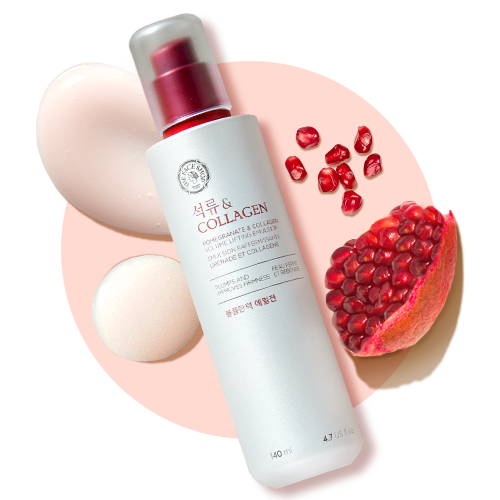
- Action: Topical collagen cream works primarily by hydrating and plumping the skin surface, reducing the appearance of lines instantly.
- Best For: Dryness, sagging, and loss of volume.
- The Catch: The molecule is large, so delivery systems matter.
Indian Skin Concerns: Sensitivity, Melanin, and Climate
Indian skin is unique. We have more melanin, which offers some sun protection but makes us prone to hyperpigmentation. Additionally, our climate oscillates between extreme humidity and dry winters.
Why Retinol needs caution: Retinol makes skin photosensitive. If you live in a sunny city like Chennai or Bangalore, using retinol cream India formulations requires strict sun protection. Skipping SPF while on retinol can actually lead to more pigmentation.
Why Collagen is safer: Collagen is generally gentler. If you have sensitive skin that turns red easily, a collagen cream face product provides a safer, hydrating route to anti-aging without the "purge" phase often associated with retinol.
The Verdict: Which One Should You Choose?
You don't necessarily have to pick a side. The modern approach to skincare involves synergy. However, your primary concern dictates your starting point.
Choose Retinol If:
- You are battling deep wrinkles or acne scars.
- You have oily or combination skin (common in India).
- You are committed to using sunscreen religiously.
Choose Collagen If:
- Your skin feels loose, crepey, or dehydrated.
- You have sensitive or dry skin.
- You want an immediate plumping effect for an event.
How to Build Your Anti-Aging Routine
Here is a simple, effective routine tailored for Indian skin types looking to integrate these powerhouses.
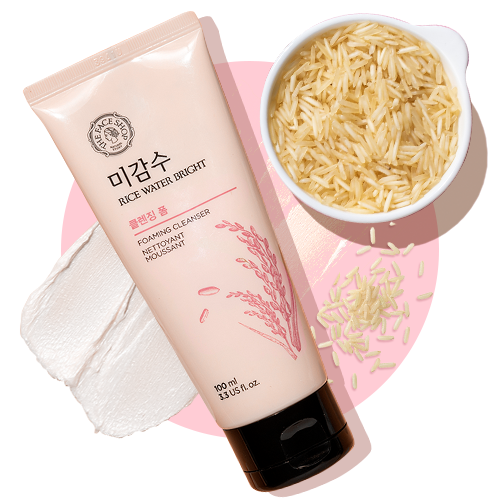
1. Cleanse Gently: Start with a double cleanse to remove pollution and makeup. A good cleansing oil ensures your pores are clean without stripping natural oils, prepping the skin for active ingredients.
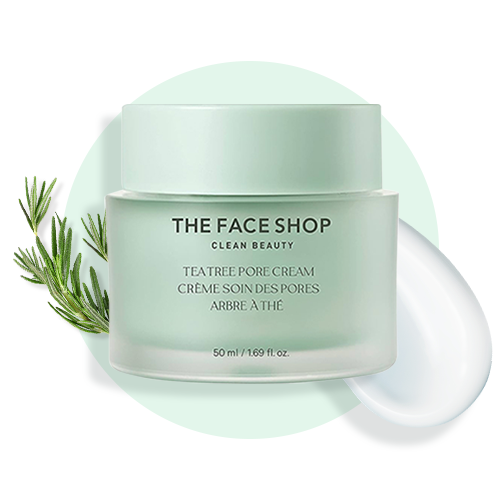
2. Treat (The Power Step): Apply your chosen anti aging cream. If you are looking for a potent formula, The Face Shop offers a highly rated anti wrinkle cream that balances potency with hydration, making it suitable for Indian skin resilience.
3. Hydrate: If you are using retinol, follow up with a heavy moisturizer for dry skin to lock in the barrier and prevent flaking.
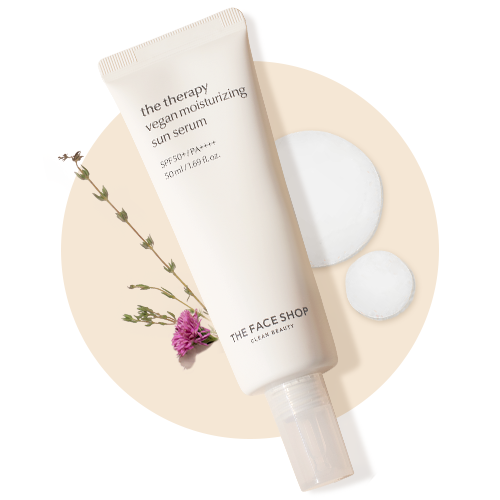
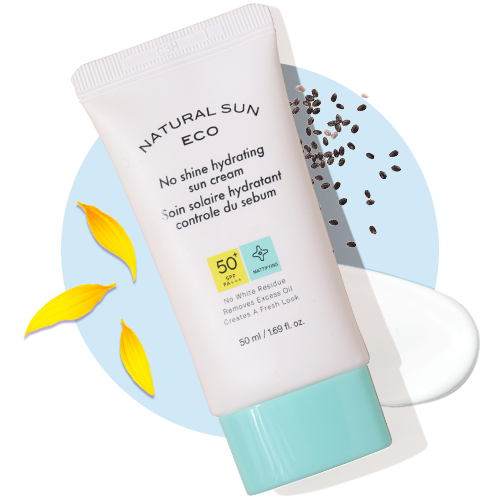
4. Protect (Non-Negotiable): If you are using retinol in your PM routine, your AM routine must include SPF. A tinted sunscreen is excellent as it protects against UV rays and blue light while offering light coverage for Indian skin tones.
Frequently Asked Questions (FAQ)
Q: Can I use retinol and collagen together?
A: Yes! A great strategy is to use a retinol cream India product at night to repair the skin and a collagen-rich cream in the morning to plump and hydrate.
Q: At what age should I start using anti wrinkle cream?
A: Prevention is key. Dermatologists recommend starting a mild face wrinkle cream in your mid-20s, as collagen production begins to decline around age 25.
Q: Is retinol safe for Indian skin given the heat?
A: Yes, but start slowly (once or twice a week) and never skip sunscreen. Look for an anti wrinkle cream that contains soothing ingredients to buffer the retinol.
Conclusion
Whether you choose the resurfacing power of retinol or the plumping comfort of collagen, consistency is the real secret. For the Indian market, where pollution and UV index are high, selecting a high-quality wrinkle cream India users trust is vital. Start with a balanced anti wrinkle cream, listen to your skin, and enjoy the journey to a healthier glow.