

Long before skincare ingredients became social media trends, rice already had a place in beauty rituals across East Asia.
Today rice appears in cleansers, toners, serums and moisturizers across Korean skincare. But its popularity did not begin with product labels or beauty trends.
Its story began much earlier.
For generations, rice-based rituals became associated with softer-feeling skin and gentle daily care. While formulations have evolved over time, rice still appears in modern skincare because it fits naturally into one idea that Korean skincare continues to follow today:
Support skin gently and consistently.
Not aggressively.
Why Rice Became Part of Traditional Beauty Rituals
Rice was never introduced as a "miracle ingredient."
It simply became part of daily life.
Historical beauty traditions across East Asia often included rice-based routines in different ways.
In Japan, rice bran called nuka became part of cleansing rituals.
In Korea, rice water was commonly used in beauty routines and daily skin care practices.
These habits existed long before modern skincare routines.
Today's formulations use advanced extraction methods and newer technologies, but the idea behind rice-focused skincare remains familiar:
-
hydration support
-
comfort-focused care
-
softer-feeling skin
-
gentle daily routines
That approach closely matches Korean skincare philosophy today.
Rice Skincare Is Not One Ingredient
Many people hear "rice skincare" and assume every product works exactly the same way.
That is usually where confusion begins.
Rice ingredients can appear in several forms:
Rice Water
Rice water is the liquid created after soaking or rinsing rice.
Historically it became associated with softer-feeling skin and lightweight hydration routines.
Rice Extract
Rice extract appears in many skincare products and is often included in moisturizers and serums.
Rice Bran
Rice bran comes from the outer layer of the rice grain and often appears in richer formulations.
Fermented Rice
Fermented rice works differently from regular rice ingredients.
During fermentation, ingredients change structure and create smaller components that are easier to work with inside formulations.
This is one reason fermented rice often becomes a separate category in Korean skincare.
Why Korean Skincare Continues Using Rice
Korean skincare routines usually focus on maintenance instead of quick correction.
That makes rice a natural fit.
Rice ingredients often appear in routines focused on:
-
hydration support
-
daily comfort
-
lightweight layering
-
softer-feeling skin
-
long-term consistency
Instead of becoming the entire routine, rice often supports other ingredients.
Rice and Ceramides Often Work Together
Rice and ceramides are frequently paired, but they do different jobs.
Ceramides help support the skin barrier.
Rice ingredients often appear in routines focused on hydration and comfort.
That difference explains why both ingredients often appear together.
Hydration and barrier-focused routines frequently explore Ceramide Rice Moisturizers.
Why Rice Fits Korean Layering Routines
One reason Korean skincare became widely discussed is layering.
Instead of relying on one thick cream, routines often use lighter steps.
Rice ingredients fit naturally into this structure because they commonly appear across several steps:
Cleanser
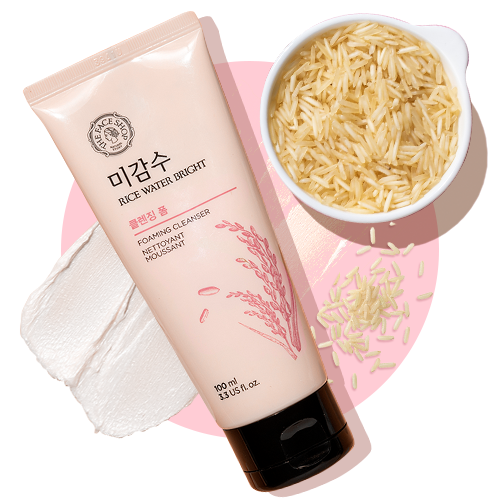
Rice-based cleansers help begin routines gently.
Toner
Rice toners are often used after cleansing.
Serum
Rice-focused serums help support hydration layers.
Moisturizer
Moisturizers help seal previous steps.
People looking for hydration support often begin with Moisturiser for Dry Skin.
People wanting lighter textures during humid weather sometimes prefer Emulsion Lotion Moisturizers.
A Small Routine Change Made More Difference Than New Products
"I kept buying richer products expecting faster hydration. Later I realized my skin felt better once I focused on lighter layers and consistency instead of stronger products."
Sometimes skincare becomes easier when routines become simpler.
Common Rice Skincare Mistakes
-
assuming all rice ingredients are identical
-
expecting overnight changes
-
following trends without considering skin needs
-
changing routines too quickly
-
replacing products before giving routines enough time
Consistency usually matters more than constant product changes.
Frequently Asked Questions
Is rice skincare only for dry skin?
No. Rice ingredients appear in many textures and formulations designed for different skin needs.
Is rice water the same as fermented rice?
No. Fermented rice goes through a different process and behaves differently in skincare formulations.
Why does Korean skincare use rice so often?
Rice has a long history in East Asian beauty traditions and fits naturally into hydration-focused skincare routines.
Can rice and ceramides work together?
Yes. They support different skincare goals and often appear together.
Is rice skincare a recent trend?
No. Rice-based beauty practices have existed for generations.
Can rice skincare fit layered routines?
Yes. Rice ingredients commonly appear across cleansers, toners, serums and moisturizers.
Explore More
Rice Water Moisturizers | Brightening Moisturizer | Moisturiser for Sensitive Skin | Moisturizer for Combination Skin | Lightweight Moisturizers | White Seed Moisturizers