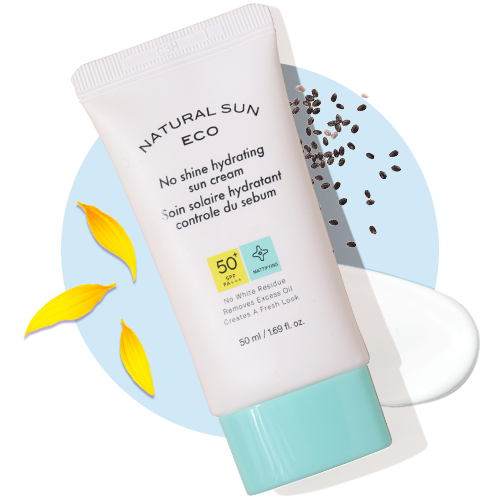


If you live in India, you know the struggle is real. One minute you are battling the humidity of Mumbai or the dry heat of Delhi, and the next, you are staring at a mirror wondering why your forehead is shiny enough to reflect light while your cheeks feel like the Thar Desert. Welcome to the world of combination skin.
Finding the right sun protection for this skin type is often considered the holy grail of skincare. It requires a balancing act: controlling oil production in the T-zone without stripping moisture from the drier areas of the face. In this guide, we break down exactly how to buy sunscreen combination online, ensuring your skin stays protected, matte, and hydrated.
Understanding the Combination Skin Dilemma
Combination skin is characterized by an oily T-zone (forehead, nose, and chin) and dry or normal cheeks. In the Indian climate, heavy creams can lead to clogged pores and acne, while harsh matte formulas can cause flaking on the cheeks.
The solution lies in lightweight sunscreen India market has to offer formulas that are smart enough to hydrate where needed and mattify where necessary.
What to Look For: The Checklist
When browsing online, ignore the flashy packaging and zoom in on the ingredient list and texture descriptions. Here is what makes for the best spf for combination skin:
1. Texture is Everything
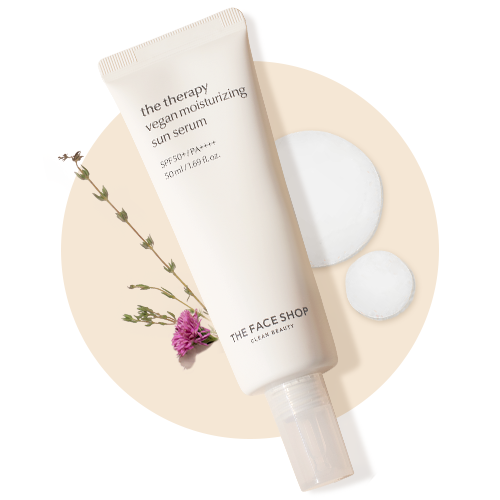
Look for terms like "watery," "fluid," or "gel." A gel sunscreen combination skin loves will absorb instantly without leaving a sticky residue. Heavy creams are the enemy here. Innovative textures like Sunquid + Sunserum formulas are gaining popularity because they offer the cooling relief of a liquid with the potency of a serum.
2. The Finish: Matte vs. Dewy
The ideal finish for combination skin is "natural" or "soft matte." You want an oil-free sunscreen combination formula that prevents the midday grease slide but doesn't leave you looking chalky.
3. Hydration Without Heaviness
Just because your T-zone is oily doesn't mean you skip hydration. Look for a hydrating sunscreen combination formula containing ingredients like Hyaluronic Acid or Bamboo Water. These ingredients provide water-based moisture that doesn't clog pores.
Top Recommendations for Online Shoppers
Navigating the digital aisle can be overwhelming. Based on current formulation standards and user reviews in India, here is how to categorize your choices:
- For Everyday Wear: If you need a reliable daily driver that sits well under makeup, look for the best spf for combination skin that offers broad-spectrum protection. A well-formulated SPF 50 is standard for the Indian UV index.
- For Sensitive-Combo Skin: If you lean towards cleaner beauty, a gel based sunscreen for combination skin often utilizes plant-based ingredients to soothe inflammation while protecting against UV rays.
- For High Exposure: Ensure you are choosing spf 50 combination skin products with a PA+++ or PA++++ rating to protect against both UVA (aging) and UVB (burning) rays.
How to Shop Smart Online
- Check the Expiry: When you buy online, always check the product description or ask the seller for expiry dates, especially during a Sunscreen Offer or sale.
- Read Verified Reviews: Look for reviews that specifically mention "combination skin" or "humid weather."
- Patch Test: Even with the best matte sunscreen combination products, always patch test on your jawline first.
Frequently Asked Questions (FAQ)
Q1: Is SPF 30 enough, or do I need SPF 50 for combination skin in India?
A: Given the high UV index in India, SPF 50 combination skin products are highly recommended. They provide roughly 98% protection against UVB rays, compared to 97% from SPF 30. That small difference matters in the long run.
Q2: Can I skip moisturizer if I use a hydrating sunscreen?
A: Yes! If you use a high-quality hydrating sunscreen combination formula or a sun-serum, it can double as your morning moisturizer, preventing product piling on the skin.
Q3: What is the best texture for combination skin?
A: A water-based or gel sunscreen combination skin formula is best. It absorbs quickly into the oily T-zone without feeling heavy, yet provides enough hydration for dry cheeks.
Q4: How much sunscreen should I apply?
A: Use the "two-finger rule" (two strips of sunscreen on your index and middle finger) to cover your face and neck adequately.
Conclusion
Buying skincare online doesn't have to be a gamble. By focusing on lightweight textures, high SPF ratings, and hybrid formulas that hydrate and protect, you can find the perfect match for your skin type. Remember, the best spf for combination skin is the one you enjoy wearing every single day.