
Quick Summary
Struggling with an oily T-zone and dry cheeks? Discover a science-backed, India-specific skincare routine using balanced actives to keep combination skin healthy, hydrated, and shine-free.
The 'Split Personality' Routine: Balancing Oily T-Zone and Dry Cheeks with Actives for Indian Skin
Combination skin is one of the most common skin types in India, especially with our diverse climates. If your forehead, nose, and chin (the T-zone) get shiny by noon, but your cheeks feel tight or flaky, you’re not alone. This 'split personality' can make skincare confusing, but with the right actives and a routine designed for Indian weather, you can achieve balanced, healthy skin - without irritation or breakouts.
Understanding Combination Skin in India: Why It’s So Common
Combination skin is marked by an oily T-zone and dry or normal cheeks. In India, this is often intensified by:
- Humidity: Cities like Mumbai or Chennai can make the T-zone oilier, while air conditioning dries out cheeks.
- Hard Water: Common in many regions, it can strip moisture from cheeks but not control oil on the T-zone.
- Pollution: Urban pollution can clog pores in oily areas and irritate dry patches.
According to a 2022 survey by Nykaa, nearly 40% of Indian respondents identified as having combination skin. This means routines must be flexible and regionally aware.
Step 1: Gentle Cleansing - The Foundation for Balance
Start with a mild, sulfate-free cleanser. Over-cleansing can worsen dryness on cheeks and trigger more oil on the T-zone. Look for formulas with:
- Low pH (5.5-6): Maintains the skin barrier.
- Hydrating ingredients: Glycerin, panthenol, or rice water.
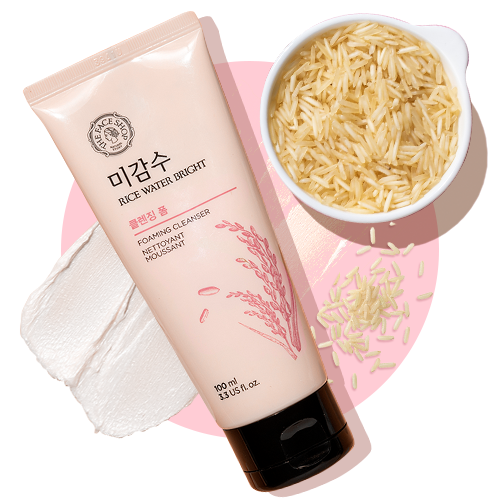
For example, The Face Shop’s Rice Water Bright Foaming Cleanser is popular for combination skin, offering gentle cleansing without stripping. At around ₹700, it’s an accessible investment for daily use.
Step 2: Targeted Toning - Hydrate and Refine
In Indian summers, toners can help control oil and prep skin for actives. Choose alcohol-free toners with:
- Niacinamide (2-5%): Regulates oil and soothes redness.
- Green tea or centella: Calms and hydrates.
Apply with a cotton pad on the T-zone and pat onto cheeks. This dual method prevents over-drying sensitive areas.
Step 3: Balanced Actives - The Heart of the Routine
Actives can transform combination skin, but the trick is to use the right ones in the right places. Here’s how:
- For the T-zone: Use a BHA (salicylic acid, 1-2%) serum 2-3 times a week to unclog pores and reduce shine. Apply only to oily areas.
- For the cheeks: Use a hydrating serum with hyaluronic acid or panthenol. Layer under moisturizer for plumpness.
- All-over: Niacinamide (5%) is safe for most and helps balance oil and strengthen the barrier.
Tip: In winter, reduce exfoliation frequency and focus on hydration. In humid months, lighter serums work best.
Step 4: Moisturizing Without the Grease - Smart Layering
Many Indians skip moisturizer fearing breakouts, but even oily T-zones need hydration. The key is to choose:
- Gel-based moisturizers: Lightweight, non-comedogenic, and perfect for humid cities.
- Creamier textures: For dry cheeks, especially in North Indian winters.
Try the Chia Seed Hydro Cream from The Face Shop for a balanced option. At about ₹1,800, it lasts months and suits both oily and dry zones.
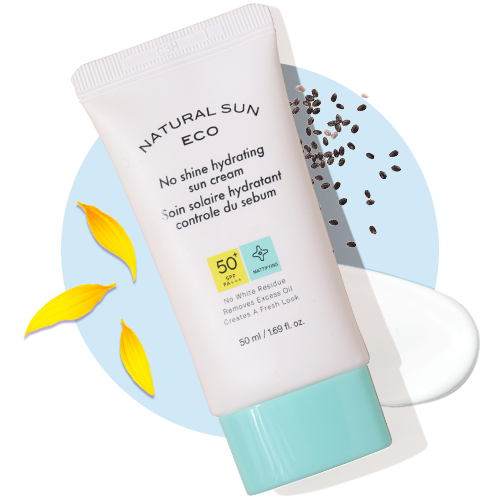
Step 5: Sun Protection - India’s Non-Negotiable
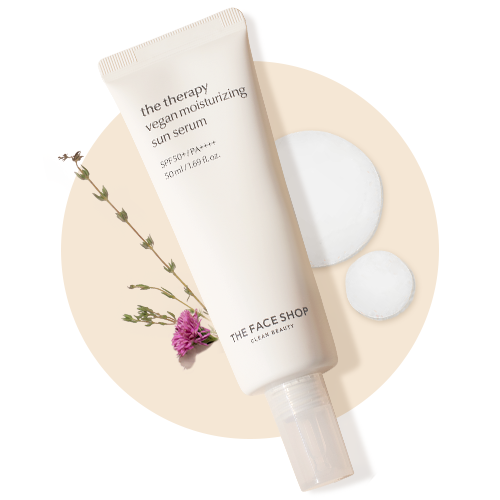
UV rays in India are intense year-round. A broad-spectrum sunscreen (SPF 30 or higher) is essential, even indoors. For combination skin:
- Gel or fluid sunscreens: Avoid heavy creams that can clog pores.
- Matte finish: Controls shine on the T-zone.
Reapply every 2-3 hours if outdoors. Many Indian brands now offer non-greasy formulas under ₹600, making sun safety affordable.
Step 6: Weekly Extras - Masks and Spot Treatments
Once or twice a week, treat your skin to:
- Clay masks: Apply only to the T-zone to absorb excess oil.
- Sheet masks: Use hydrating masks on cheeks for a moisture boost.
Pro tip: Multi-masking (using different masks on different areas) is perfect for Indian combination skin, especially before special occasions.
Step 7: Seasonal Tweaks - Adapting to Indian Weather
India’s climate varies from humid coasts to dry northern plains. Adjust your routine by:
- Monsoon: Use lighter layers, as humidity increases oiliness.
- Winter: Switch to richer creams for cheeks and reduce exfoliation.
- Summer: Prioritize mattifying products and blotting papers for the T-zone.
Always listen to your skin - if cheeks feel tight, add hydration; if the T-zone is shiny, try a mattifying primer.
Budgeting for Results - Smart Buys in INR
Effective routines don’t have to break the bank. Many Indian and Korean brands offer quality actives and moisturizers under ₹2,000. Look for multi-use products, and check for deals like TFS B2G1 to maximize value. Remember, consistency matters more than price.
Common Mistakes to Avoid - And How to Fix Them
- Over-exfoliating: Can worsen both oiliness and dryness. Limit acids to 2-3 times a week.
- Skipping moisturizer: Leads to more oil production and flaky cheeks.
- Using harsh soaps: Damages the skin barrier, especially with hard water.
Patch test new actives and introduce one product at a time to avoid irritation.
When to See a Dermatologist
If you experience persistent breakouts, redness, or sensitivity despite following a balanced routine, consult a dermatologist. Indian skin can be prone to pigmentation and post-inflammatory marks, so professional guidance ensures safe and effective care.
Conclusion: Your Personalized Path to Balanced Skin
Combination skin in India requires a thoughtful, flexible approach. By understanding your skin’s unique needs and using balanced actives, you can keep both oily and dry areas happy - no matter the season. Remember, the best routine is one you can stick to, so start simple and adjust as needed.
FAQ
How do I know if I have combination skin?
If your T-zone (forehead, nose, chin) gets oily while your cheeks feel dry or normal, you likely have combination skin. This is especially common in India’s varied climates.
Can I use the same moisturizer on my whole face?
Yes, but choose a lightweight gel for the T-zone and layer a richer cream on dry cheeks if needed. Multi-layering helps balance both areas.
Are actives like BHA and niacinamide safe for Indian skin?
Yes, when used at recommended concentrations (BHA 1-2%, niacinamide up to 5%) and introduced gradually. Always patch test and avoid overuse.
How often should I exfoliate combination skin in India?
Limit chemical exfoliation (like BHA) to 2-3 times a week, especially in dry or cold weather. Over-exfoliation can worsen both oiliness and dryness.
What’s the best sunscreen type for combination skin in India?
Opt for gel or fluid sunscreens with a matte finish and SPF 30 or higher. These protect without clogging pores or adding shine.