
Quick Summary
Struggling to find sunscreen that doesn't cause breakouts? This guide helps you choose the best sunscreen for sensitive, acne-prone skin in India.
Finding the right sunscreen when you have sensitive, acne-prone skin can feel like navigating a minefield. Many sunscreens can clog pores and trigger breakouts. This guide is tailored for Indian skin, helping you choose sunscreens that protect without causing irritation.
## Why Sunscreen is a Must, Even for Sensitive Skin
Sunscreen isn't just for beach days. Daily sun exposure, even on cloudy days, contributes to premature aging, hyperpigmentation, and increases the risk of skin cancer. For those with sensitive skin, sun damage can exacerbate existing conditions like rosacea and eczema. Think of sunscreen as an investment in your skin's long-term health.
## Decoding the Label: What to Look for in a Sunscreen
Understanding sunscreen labels is crucial. Here's what to prioritize:
* **Broad Spectrum:** Protects against both UVA and UVB rays.
* **SPF 30 or Higher:** SPF 30 blocks 97% of UVB rays, while SPF 50 blocks 98%.
* **Non-Comedogenic:** Formulated to not clog pores.
* **Oil-Free:** Reduces the likelihood of breakouts.
**India-Specific Tip:** Look for sunscreens that are sweat-resistant, especially during the hot and humid months. Consider water-resistant formulations if you are active outdoors.
## Ingredients to Avoid if You Have Sensitive, Acne-Prone Skin
Certain ingredients are known irritants for sensitive skin. Be wary of:
* **Oxybenzone and Octinoxate:** Chemical filters that can cause allergic reactions.
* **Fragrance:** A common trigger for irritation.
* **Alcohol:** Can dry out the skin and lead to increased oil production.
* **Parabens:** Preservatives that some people find irritating.
**Counterintuitive Fact:** Some natural ingredients, like essential oils, can also irritate sensitive skin. Patch-test any new sunscreen before applying it to your entire face.
## Mineral vs. Chemical Sunscreen: Which is Better for Sensitive Skin?
This is a key decision point. Mineral sunscreens (also called physical sunscreens) use zinc oxide and titanium dioxide to create a physical barrier against the sun. Chemical sunscreens absorb UV rays. Mineral sunscreens are generally considered gentler for sensitive skin.
**Experience Cue:** Many users with sensitive skin in India report better tolerance with mineral sunscreens, experiencing fewer breakouts and less irritation.
## Top Non-Comedogenic Sunscreen Recommendations for Indian Skin
While I cannot provide specific brand recommendations without knowing your individual skin type and allergies, here are some general guidelines for finding suitable sunscreens in India:
* **Look for sunscreens specifically labeled for sensitive skin.** Many brands available on Nykaa and Amazon.in cater to this need.
* **Consider formulations with calming ingredients** like aloe vera, chamomile, or green tea extract.
* **Read reviews from other Indian users** with similar skin types.
**Value Framing:** Expect to pay between INR 500 to INR 1500 for a good quality, non-comedogenic sunscreen in India. Investing in a reliable product is worth it for your skin's health.
## Application Tips for Maximum Protection and Minimal Breakouts
How you apply sunscreen is just as important as the sunscreen itself:
* **Apply generously:** Use about a teaspoon for your face and neck.
* **Apply 15-20 minutes before sun exposure:** This allows the sunscreen to bind to your skin.
* **Reapply every two hours,** or more often if swimming or sweating.
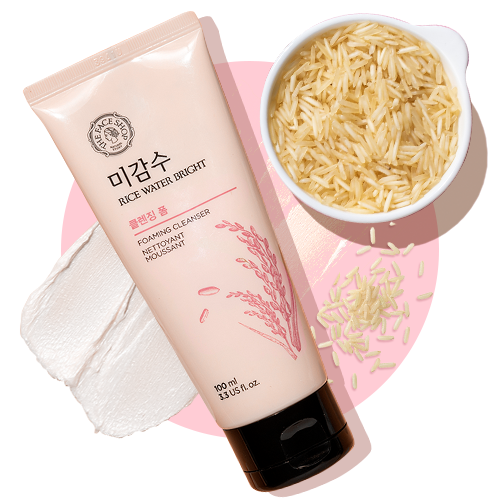
* **Cleanse thoroughly at the end of the day:** Remove all traces of sunscreen to prevent clogged pores. Consider a double cleanse, starting with an oil-based cleanser followed by a gentle foaming cleanser like [Rice Water Bright Cleansing Foam 100 ml](/products/rice-water-bright-cleansing-foam-100-ml) from [The Face Shop](/collections/tfs-b2g1).
## Beyond Sunscreen: A Holistic Approach to Sun Protection
Sunscreen is essential, but it's not the only tool in your arsenal. Consider these additional measures:
* **Seek shade,** especially during peak sun hours (10 AM to 4 PM).
* **Wear protective clothing,** such as long sleeves, hats, and sunglasses.
* **Be mindful of reflective surfaces** like water and sand, which can intensify sun exposure.
## When to See a Dermatologist
If you're struggling to find a sunscreen that works for you, or if you experience persistent breakouts or irritation, consult a dermatologist. They can assess your skin type and recommend personalized solutions. A dermatologist can also help rule out underlying skin conditions that may be contributing to your sensitivity.
## FAQ: Sunscreen for Sensitive, Acne-Prone Skin in India
**Q: Can I use baby sunscreen on my face?**
A: Baby sunscreens are often mineral-based and fragrance-free, making them a good option for sensitive skin. However, always check the ingredient list for potential irritants.
**Q: Does higher SPF mean better protection?**
A: Higher SPF offers slightly more protection, but the difference is minimal. SPF 30 blocks 97% of UVB rays, while SPF 50 blocks 98%. Consistent and proper application is more important than a super-high SPF.
**Q: Can sunscreen expire?**
A: Yes, sunscreen has an expiration date. Using expired sunscreen may not provide adequate protection.
**Q: How do I know if a sunscreen is non-comedogenic?**
A: Look for the term "non-comedogenic" on the label. However, keep in mind that everyone's skin reacts differently. Patch-testing is always recommended.
**Q: Can I use sunscreen under makeup?**
A: Yes, apply sunscreen as the last step in your skincare routine and before applying makeup. Choose a lightweight, non-greasy formula that won't interfere with your makeup.
FAQ
Can I use baby sunscreen on my face?
Baby sunscreens are often mineral-based and fragrance-free, making them a good option for sensitive skin. However, always check the ingredient list for potential irritants.
Does higher SPF mean better protection?
Higher SPF offers slightly more protection, but the difference is minimal. SPF 30 blocks 97% of UVB rays, while SPF 50 blocks 98%. Consistent and proper application is more important than a super-high SPF.
Can sunscreen expire?
Yes, sunscreen has an expiration date. Using expired sunscreen may not provide adequate protection.
How do I know if a sunscreen is non-comedogenic?
Look for the term "non-comedogenic" on the label. However, keep in mind that everyone's skin reacts differently. Patch-testing is always recommended.
Can I use sunscreen under makeup?
Yes, apply sunscreen as the last step in your skincare routine and before applying makeup. Choose a lightweight, non-greasy formula that won't interfere with your makeup.