
Quick Summary
Struggling to find the right sunscreen for oily or sensitive skin in India? This guide reveals the ingredients to avoid for a clear, protected complexion.
Sunscreen SOS: Decoding Labels for Oily & Sensitive Skin in India
Finding the perfect sunscreen in India can feel like a never-ending quest, especially if you have oily, acne-prone, or sensitive skin. The humid climate only adds to the challenge. Many sunscreens can clog pores, trigger breakouts, or cause irritation. But fear not! This guide will help you navigate the ingredient list and choose a sunscreen that protects your skin without causing unwanted side effects.
Why Some Sunscreens Wreak Havoc on Oily & Sensitive Skin
The Indian climate, with its high humidity and intense sun, demands effective sun protection. However, many sunscreens contain ingredients that can exacerbate oily skin and trigger sensitivity. Heavy oils, fragrances, and certain chemical filters are common culprits. For example, some older chemical sunscreen filters can convert UV rays into heat, which can be problematic for sensitive skin, leading to redness and irritation. A 2022 study published in the Indian Journal of Dermatology highlighted that fragrance is a leading cause of contact dermatitis in India.
The No-No List: Sunscreen Ingredients to Avoid
Here's a breakdown of ingredients you might want to avoid, especially if you have oily or sensitive skin:
- Oils and Butters: Coconut oil, shea butter, and cocoa butter can be comedogenic (pore-clogging) for some.
- Fragrances: Both synthetic and natural fragrances can irritate sensitive skin. Look for "fragrance-free" options.
- Alcohol: While some alcohols are beneficial, denatured alcohol and isopropyl alcohol can be drying and irritating.
- Oxybenzone and Octinoxate: These chemical filters are known irritants and have been linked to coral reef damage. Mineral sunscreens are a gentler alternative.
- PABA (Para-aminobenzoic acid): A common allergen, PABA is best avoided.
Decoding the Label: How to Spot Problematic Ingredients
Ingredient lists can be daunting, but a little knowledge goes a long way. Here's how to decipher them:
- Look for "non-comedogenic" or "oil-free" labels: These indicate that the product is less likely to clog pores.
- Scan the first few ingredients: These are present in the highest concentration.
- Use a skincare ingredient checker: Websites like INCIDecoder can provide detailed information about specific ingredients.
Pro Tip: Patch-test any new sunscreen on a small area of your skin before applying it to your entire face. Wait 24-48 hours to see if any irritation develops.
Embrace Mineral Sunscreens: Your Skin's Best Friend
Mineral sunscreens, containing zinc oxide and titanium dioxide, are generally considered safer and gentler for oily and sensitive skin. They work by creating a physical barrier that reflects UV rays, rather than absorbing them like chemical sunscreens. They are less likely to cause irritation and are often non-comedogenic. Many dermatologists in India recommend mineral sunscreens, especially for individuals with acne or rosacea.
Beyond the Ingredients: Other Factors to Consider
Choosing the right sunscreen involves more than just reading the ingredient list. Consider these factors:
- SPF Level: Aim for SPF 30 or higher for adequate protection.
- Broad Spectrum: Ensures protection against both UVA and UVB rays.
- Texture: Opt for lightweight, gel-based, or fluid sunscreens that won't feel heavy or greasy on your skin.
- Water Resistance: Important if you'll be sweating or swimming.
Sunscreen Application: The Key to Effective Protection
Even the best sunscreen won't work if applied incorrectly. Here's how to maximize its effectiveness:
- Apply generously: Use about a teaspoon for your face and neck.
- Apply 15-30 minutes before sun exposure: This allows the sunscreen to bind to your skin.
- Reapply every two hours: Or more frequently if you're sweating or swimming.
- Don't forget often-missed areas: Ears, neck, and the back of your hands.
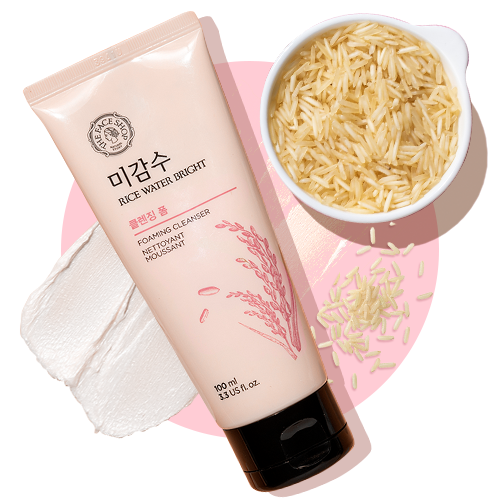
Consider incorporating a rice-based cleanser like Rice Water Bright Cleansing Foam 150 ml from The Face Shop into your routine to gently remove sunscreen residue at the end of the day.
Expert Tips for Sunscreen Success in the Indian Climate
Here are some additional tips tailored for the Indian climate:
- Choose a water-based or gel-based sunscreen: These are less likely to feel heavy and greasy in the humidity.
- Consider a tinted sunscreen: This can help even out skin tone and reduce the appearance of blemishes.
- Don't rely solely on sunscreen: Wear protective clothing, seek shade during peak hours, and use a wide-brimmed hat.
Remember, finding the right sunscreen is a personal journey. What works for one person may not work for another. Be patient, experiment, and consult with a dermatologist if needed. With the right knowledge and a little trial and error, you can find a sunscreen that protects your skin and keeps it healthy and radiant, even in the challenging Indian climate.
FAQ
What does 'non-comedogenic' mean?
Non-comedogenic means the product is formulated to not clog pores, reducing the risk of breakouts. This is especially important if you have oily or acne-prone skin.
Are mineral sunscreens better than chemical sunscreens for sensitive skin?
Generally, yes. Mineral sunscreens create a physical barrier and are less likely to cause irritation compared to chemical sunscreens, which absorb UV rays.
How often should I reapply sunscreen?
Reapply sunscreen every two hours, or more frequently if you're sweating or swimming. Even water-resistant sunscreens need to be reapplied.
What SPF should I use?
Aim for SPF 30 or higher. SPF 30 blocks about 97% of UVB rays, while SPF 50 blocks about 98%. Higher SPFs offer slightly more protection, but the difference is minimal.
Can I use sunscreen that's expired?
No. Expired sunscreen may not be as effective and could potentially irritate your skin. Check the expiration date and discard any expired products.