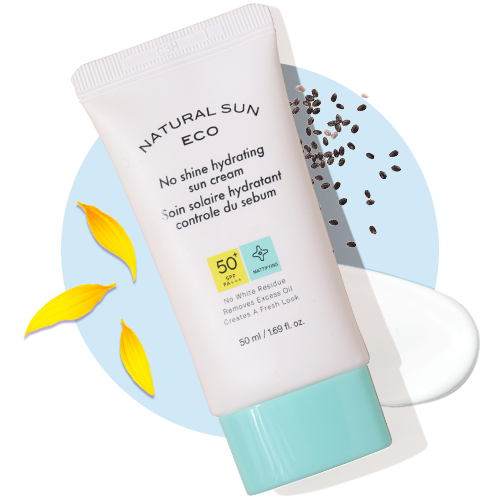


Indian weather with its intense heat, sudden monsoons, and relentless humidity is notorious for throwing our skin off balance. If you are battling the dual dilemma of a greasy T-zone and skin that turns red at the slightest provocation, you know the struggle of finding the right products.
When it comes to treating acne-prone, oily, yet highly sensitive skin, two superstar ingredients dominate the conversation: Tea Tree and Salicylic Acid. But which one should you actively look for in your daily face cream?
Let’s break down the science, the real-world application, and why one might be significantly better for your sensitive skin barrier than the other.
Understanding the Oily, Sensitive Skin Dilemma
Having a "moisturizer oily sensitive" skin type feels like walking a tightrope.
- Oily Skin demands lightweight hydration and pore-clearing ingredients to prevent acne.
- Sensitive Skin demands soothing, barrier-repairing ingredients without harsh exfoliants.
When you apply aggressive acne treatments, you risk compromising your skin barrier, leading to more redness, stinging, and paradoxically, more oil production as your skin tries to defend itself.
Salicylic Acid: The Pore-Clearing Powerhouse
Salicylic acid is a Beta Hydroxy Acid (BHA) known for its ability to penetrate deep into the pores and dissolve sebum.
The Pros:
- Effectively dissolves blackheads and whiteheads.
- Reduces oil production over time.
- Excellent for non-sensitive, thick, oily skin.
The Cons for Sensitive Skin:
- Can be overly drying when used in leave-on products like face creams.
- Often causes peeling, redness, and stinging if the skin barrier is already compromised.
- Makes the skin more susceptible to sun damage, a major concern in the Indian climate.
Tea Tree Oil: Nature’s Antiseptic
Derived from the leaves of the Melaleuca alternifolia plant, tea tree has been used for centuries for its antimicrobial and anti-inflammatory properties.
The Pros:
- Natural Antibacterial: Using tea tree for acne directly targets the acne-causing bacteria (C. acnes) without stripping the skin.
- Anti-inflammatory: It actively reduces the redness and swelling associated with angry, cystic breakouts.
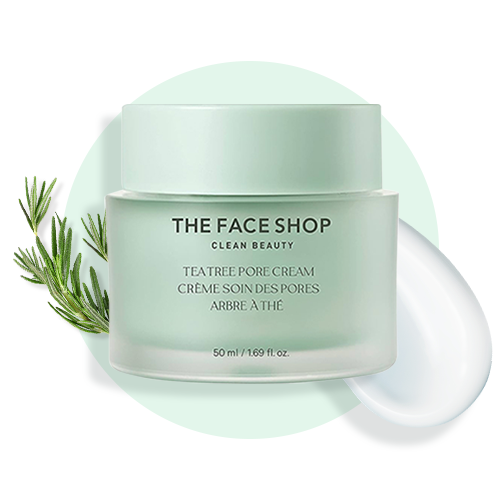
- Gentler Alternative: When correctly formulated in a moisturizer, it treats pimples while keeping the skin barrier intact.
The Cons:
- Pure essential tea tree oil is too harsh; it must be diluted and professionally formulated in a carrier cream or serum.
Why a Tea Tree Moisturizer Wins for Sensitive Skin
For daily use, especially in an am pm skincare routine, leave-on products need to be gentle. Salicylic acid is fantastic as a wash-off cleanser, but leaving it on sensitive skin all day via a face cream can lead to irritation.
This is where a tea tree face cream shines. It provides the perfect middle ground: actively fighting breakouts while delivering essential, soothing hydration.
How to Build the Perfect Routine:
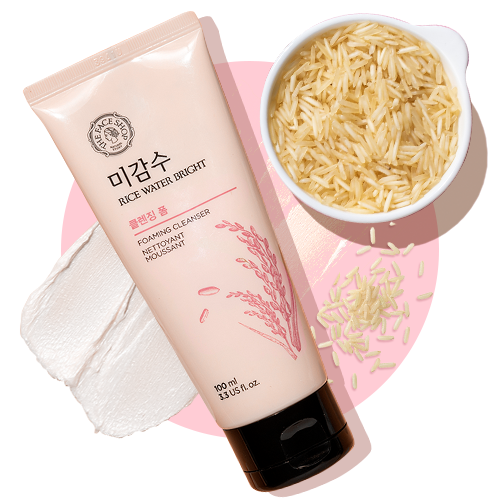
- Cleanse Thoroughly: Start your evening routine with a gentle double cleanse to melt away sunscreen, pollution, and excess sebum.
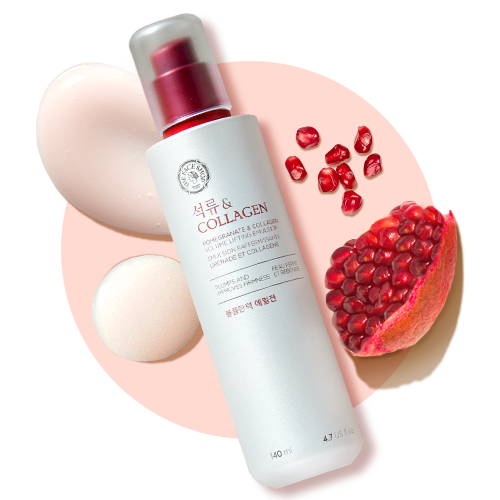
- Target Dullness: If acne has left you with dark spots, incorporate a brightening serum.
- Moisturize & Treat: Lock it all in with a specialized sensitive skin moisturizer. If you want to buy tea tree moisturizer that perfectly balances hydration and acne-fighting, look for expertly formulated Korean Skincare Moisturiser blends.
For those ready to make the switch, finding the best tea tree moisturizer tailored specifically for sensitive Indian skin is your best defense against humidity-induced breakouts.
Frequently Asked Questions (FAQs)
1. Can I use a tea tree moisturizer every day?
Yes! A well-formulated tea tree moisturizer is designed for daily use. Unlike pure tea tree oil, which can be irritating, a formulated cream provides balanced, gentle hydration suitable for morning and night.
2. Is a tea tree face cream better than a salicylic acid cream?
For sensitive skin, yes. Tea tree offers anti-inflammatory and antibacterial benefits without the intense drying and peeling often associated with leave-on salicylic acid creams.
3. Will a sensitive skin moisturizer make me look greasy?
Not if you choose the right texture. Look for gel-based or lightweight formulations specifically labeled as a moisturizer oily sensitive type, which will hydrate without clogging pores.
4. Where can I buy tea tree moisturizer that is safe for sensitive skin?
Always purchase from reputable skincare brands that specialize in dermatologically tested or K-beauty formulas. You can find high-quality options through trusted e-commerce platforms specializing in targeted skincare.
Conclusion
While salicylic acid remains a gold standard for severe acne, it often proves too harsh for daily leave-on use when your skin is easily irritated. Embracing a tea tree moisturizer offers a holistic, soothing, and effective way to manage breakouts while respecting your skin barrier.