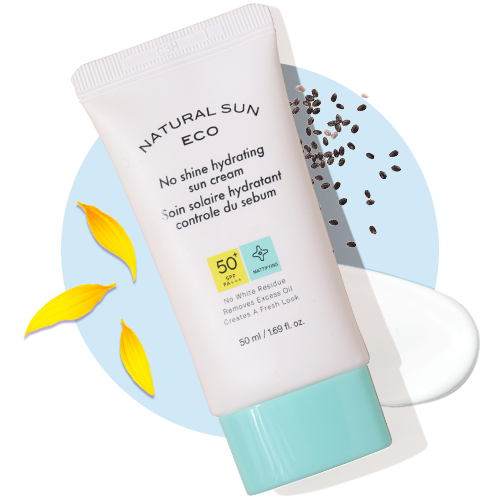


If you live in a coastal city like Mumbai, Chennai, or Kolkata, you know the struggle is real. You have dry skin that feels tight and parched, but the moment you step outside, the 80% humidity makes heavy creams feel like a melting mask. It is the classic Indian skincare paradox: How do you hydrate dry skin without turning into a greaseball in humid weather?
This is where the "Gel vs. Cream" debate heats up. Finding the best moisturizer in India requires understanding not just your skin type, but your environment.
The Science: Humidity vs. Your Skin Barrier
Humidity means there is moisture in the air, but that doesn't necessarily mean it is entering your skin. In fact, if your skin barrier is compromised (common with dry skin), you lose water faster than you absorb it.
However, heavy occlusives (ingredients that seal moisture in) can trap heat and sweat in humid climates, leading to clogged pores and prickly heat. This is why the texture of your hydrating face cream matters just as much as the ingredients.
The Contenders: Gel vs. Cream
1. The Case for Gel Moisturizers
Best for: Dehydrated skin, oily-dry combination skin, and daytime use in peak summer.
Gel moisturizers are water-based and often packed with humectants like hyaluronic acid. They attract water to the skin without adding oil.
- Pros: fast absorption, non-sticky finish, cooling effect.
- Cons: often lack the emollients needed to seal the moisture into very dry skin for long periods.
2. The Case for Cream Moisturizers
Best for: Flaky skin, damaged barriers, and night routines.
Creams are richer, containing a mix of oil and water. They usually rely on ceramides, shea butter, or plant oils.
- Pros: provides long-lasting barrier repair, softens rough patches.
- Cons: can feel heavy or "sweaty" in high humidity if the formulation isn't sophisticated.
The Verdict: What Should You Use?
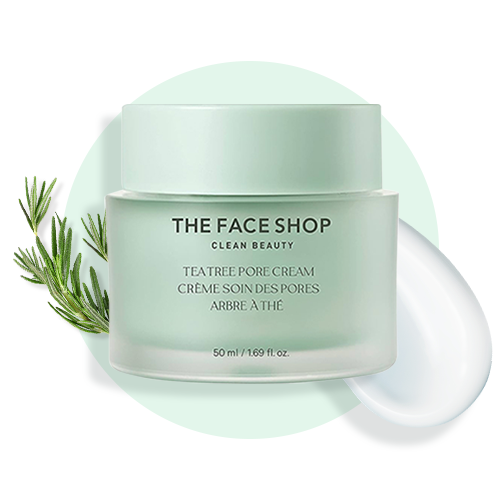
For dry skin in humid Indian weather, the answer isn't strictly one or the other it is about finding a lightweight cream or a hybrid emulsion.
The Hybrid Approach
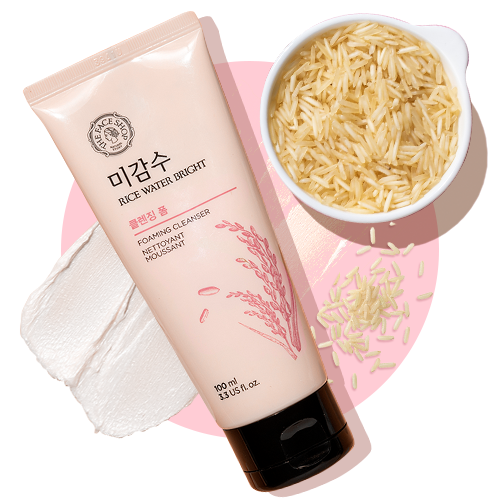
You need a moisturiser for dry skin that contains the hydration power of a gel but the locking mechanism of a cream. Look for ingredients like Rice Water, Chia Seed, or Ceramides delivered in a whipped or emulsion texture. These sink in fast but don't evaporate instantly like a pure gel might.
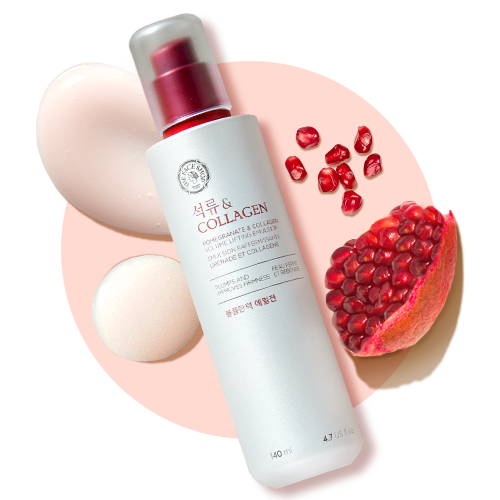
Expert Tip: If you are worried about premature aging dry skin wrinkles faster! incorporate an anti wrinkle cream specifically during your night routine when you sleep in air conditioning, which dries out the air significantly.
How to Layer for Maximum Hydration
To make a dry skin face cream work in humidity without the heaviness, follow this routine:
- Cleanse: Use a gentle cleanser. If you wear makeup, start with a balm or oil to prevent stripping natural oils.
- Serum: Apply a skin brightening serum or a Hyaluronic Acid serum on damp skin. This acts as a water magnet.
- Moisturize: Apply a dime-sized amount of your moisturizer. Warm it between your fingers before application to help it melt into the skin rather than sitting on top.
If you struggle with consistency, creating a strict morning skincare routine ensures you don't skip steps just because it feels humid outside.
Frequently Asked Questions (FAQs)
1. Can I use a ceramide moisturizer for dry skin in summer?
Yes, absolutely. Ceramides repair the skin barrier. In summer, look for a 'light' or 'lotion' version of a ceramide moisturizer dry skin formula rather than a thick butter.
2. Is hyaluronic acid cream good for Indian humidity?
Hyaluronic acid is excellent for humidity because it draws moisture from the air into your skin. However, you must seal it with a light occlusive so the moisture doesn't evaporate back out in AC environments.
3. What is the best winter moisturizer in India for dry skin?
In winter, humidity drops. You should switch from lotions to richer creams containing Mango Seed or Shea Butter to prevent flakiness.
4. Should I skip moisturizer if I am sweating?
Never skip moisturizer. Sweat is water loss, not hydration. Skipping moisturizer will dehydrate your skin further, causing it to overproduce oil. Switch to a lighter texture instead.