

Imagine standing on a pristine beach in Goa or Kerala. You apply your sunscreen, dive into the ocean, and unknowingly wash chemicals off your skin that bleach the coral reefs. In 2024, this realization hit the Indian beauty market hard. As we look toward 2025, the narrative has shifted entirely. It is no longer just about SPF protection; it is about planetary protection.
The demand for natural sunscreen India is skyrocketing, driven by educated consumers who refuse to compromise between skin health and environmental ethics. Let’s dive into why eco-conscious sun protection is the defining trend for the upcoming year.
Why the Shift to Non-Toxic Sunscreen?
For decades, the Indian market was flooded with chemical sunscreens containing oxybenzone and octinoxate. While effective at blocking UV rays, these ingredients have been scrutinized for potential hormonal disruption and their devastating impact on marine life.
1. The "Reef-Safe" Revolution
As travel increases, so does the awareness of our ecological footprint. A reef safe sunscreen India creates a barrier against UV rays using physical blockers like Zinc Oxide or Titanium Dioxide, which do not harm marine ecosystems. This isn't just a buzzword; it's a necessity for the conscious traveler.
2. Sensitivity and Pollution
Living in metro cities like Delhi or Mumbai exposes skin to high pollution levels. Chemical filters can sometimes exacerbate sensitivity in acne-prone skin. This is why many users are switching to chemical free sunscreen options that sit on top of the skin rather than being absorbed.
Top Trends Driving the "Eco Sunscreen Buy" Decisions in 2025
When looking to eco sunscreen buy, Indian consumers are prioritizing three specific factors:
- Zero White Cast Technology: The biggest myth about mineral sunscreens is the "ghost face." New formulations use micronized minerals that blend seamlessly into Indian skin tones.
- Hybrid Skincare: Sunscreens now double as moisturizers. For instance, pairing sun protection with brightening agents is popular. (If you struggle with dullness, consider integrating the White Seed range into your PM routine).
- Vegan & Cruelty-Free: The search for vegan sunscreen online has doubled. Users want assurance that no animals were harmed in the making of their SPF.
Choosing the Right Formula for Indian Weather
India's climate ranges from dry heat to extreme humidity. A heavy, greasy mineral sunscreen won't survive a Mumbai local train ride. You need a formula that is lightweight, mattifying, and sweat-resistant.
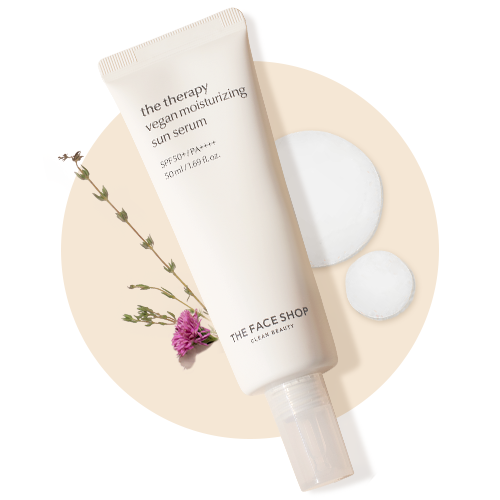
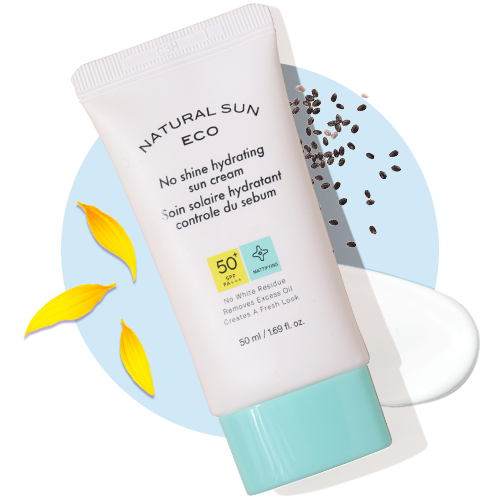
For daily protection that respects both your skin and the environment, we recommend the Natural Eco Sunscreen range. It provides robust broad-spectrum protection without the toxic load.
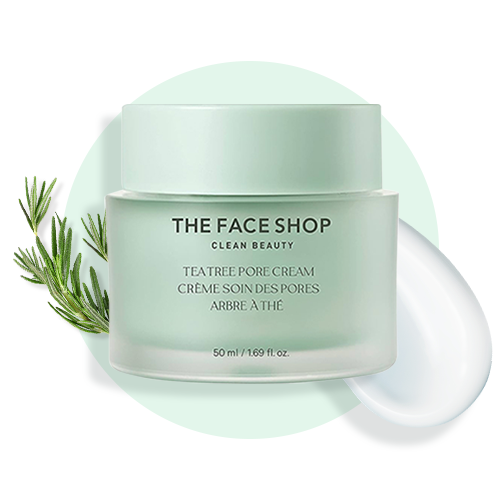
Pro-Tip: If you have extremely oily skin, you might want to balance your routine. Use a lightweight Tea Tree toner before applying your mineral SPF to keep pores clear.
Comparison: Mineral vs. Chemical vs. Hybrid
| Feature | Mineral (Physical) | Chemical | Hybrid |
|---|---|---|---|
| Active Ingredients | Zinc Oxide, Titanium Dioxide | Oxybenzone, Avobenzone | Mix of both |
| Action | Reflects UV rays | Absorbs UV rays | Both |
| Safety | Generally Non-Toxic | Can be irritating | Balanced |
| Best For | Sensitive Skin, Children, Eco-conscious | Water resistance | High cosmetic elegance |
If you prefer water-based textures over cream-based mineral options, you might explore an aqua sunscreen for that burst of hydration, though sticking to mineral options is best for maximum eco-safety.
FAQ: Your Guide to Organic Sunscreen India
Q1: Does natural sunscreen leave a white cast on Indian skin? A: Older formulations did, but modern organic sunscreen India products use micronized technology to ensure the product blends into tan and deeper skin tones without leaving a chalky residue.
Q2: Is mineral sunscreen better for acne-prone skin? A: Yes. Since mineral sunscreen buy options (containing Zinc Oxide) sit on the surface and are often anti-inflammatory, they are less likely to clog pores compared to chemical filters.
Q3: What makes a sunscreen "Reef Safe"? A: To be truly reef-safe, the sunscreen must be free from Oxybenzone and Octinoxate. Always check the label for non toxic sunscreen certification or ingredient lists.
Q4: Can I use eco-sunscreen under makeup? A: Absolutely. In fact, mineral sunscreens often act as a great primer. If your skin feels dry, ensure you use a good base. For intense dryness, checking out a hydrating cream before SPF application can ensure a smooth finish.
Conclusion
The shift towards natural sunscreen India is permanent. By choosing eco-friendly options, you aren't just preventing premature aging and pigmentation; you are voting for a cleaner planet. In 2025, make the switch to a chemical free sunscreen that works as hard as you do.