

If you have constantly tight, flaky, or dull skin, you already know the struggle of finding a cream that actually works. In the diverse Indian climate from harsh, dry winters in the north to blasting ACs in humid coastal cities, a basic lotion rarely cuts it. You need targeted ingredients. But with so many options, how do you choose? Welcome to your ultimate cheat sheet for decoding a ceramide moisturizer India loves versus a hydrating hyaluronic acid cream.
Understanding Your Skin Barrier: The Core of Dry Skin
Dry skin is fundamentally a compromised skin barrier. When your skin lacks its natural lipids, water easily escapes (a process called Transepidermal Water Loss or TEWL). This is why layering heavy oils often feels greasy but leaves your skin dehydrated underneath. To fix this, you need ingredients that both attract water and lock it in.
Ceramides vs. Hyaluronic Acid: What Is the Difference?
While both are gold standards for treating dry skin, they perform completely different jobs:
- Hyaluronic Acid (The Hydrator): Think of this as a sponge. It is a humectant that pulls water from the environment (or deep within your skin) into the epidermis. A high-quality hyaluronic acid cream plumps the skin instantly.
- Ceramides (The Sealant): Think of ceramides as the mortar between your skin cell bricks. They seal the cracks in your skin barrier, locking in the hydration that hyaluronic acid provided. Without them, hydration simply evaporates.
The Ultimate Dry Skin Ingredient Cheat Sheet
When shopping for the best moisturizer dry skin needs, flip the bottle and look for these powerhouse components:
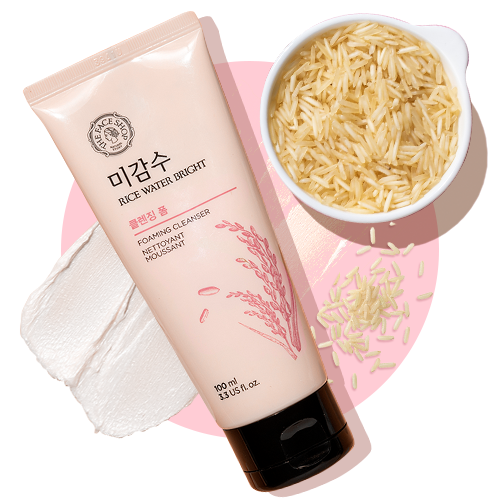
- Ceramides (NP, AP, EOP): Essential for rebuilding the barrier. If you want a top-tier ceramide moisturizer, look for formulations combined with soothing ingredients like rice extract.
- Hyaluronic Acid & Sodium Hyaluronate: Provides multi-depth hydration.
- Glycerin: An unsung hero that acts as a gentle, effective humectant.
- Squalane: A lightweight emollient that mimics your skin's natural oils.
How to Choose the Right Product for Your Routine
Building an effective skincare routine means picking the right base. For instance, many dermatologists recommend products like Cetaphil dry skin formulas for extreme cases, but modern K-beauty formulations often offer more cosmetically elegant textures that do not feel heavy. If you are looking for a daily staple, browse a dedicated moisturizer for dry skin to find a formula that perfectly balances humectants and emollients. Also, remember that dry skin is easily irritated; if redness occurs, switch to a Moisturiser for Sensitive Skin. And never forget: always take off your makeup gently with a hydrating makeup remover to avoid stripping your skin before applying your face moisturizer dry skin loves!
Frequently Asked Questions (FAQs)
-
Q: Can I use Vitamin C with a ceramide moisturizer?
A: Yes! Ceramides are incredibly stable and pair wonderfully with actives like Vitamin C, helping to buffer any potential irritation. -
Q: Is hyaluronic acid good for a winter moisturizer India?
A: Yes, but with a catch. In dry Indian winters, hyaluronic acid needs an occlusive layer (like a ceramide cream) on top, otherwise, it might draw moisture out of your skin instead of the air. -
Q: Should I apply my dry skin cream India on damp or dry skin?
A: Always apply hydrating creams (especially those with hyaluronic acid) on slightly damp skin to maximize moisture absorption.
Conclusion
Banishing dry, tight skin is all about strategic layering. Draw moisture in with a hyaluronic acid cream, and seal it tight with a robust ceramide formula. Read your labels, invest in barrier repair, and watch your skin transform from parched to plump.