

It is a scenario familiar to many of us in India: You have just stepped out of the shower, slathered on a generous amount of cream, and yet, by the time you reach your office or sit down for lunch, your cheeks feel tight, and there is visible flakiness around the nose.
If you are constantly asking yourself, "Why is my skin so dry even when I moisturize?", the problem likely isn't your skin it is how you are using your products. From the humid monsoons of Mumbai to the dry winters of Delhi, managing dry skin requires more than just buying the thickest tub of cream available.
Here are the most common moisturizer mistakes and the expert-backed fixes to get that glowing, plump look back.
Mistake 1: Applying Moisturizer on Bone-Dry Skin
This is perhaps the most common error. Moisturizers are designed to trap moisture in the skin, not just add it on top. If you wait until your skin is completely dry after washing your face, the product sits on the surface, often leading to a greasy feel without actual hydration.
The Fix: Follow the 3-Second Rule. Apply your moisturizer for dry skin while your face is still slightly damp from cleansing. This helps the humectants (like Hyaluronic Acid) bind water molecules to your skin, locking in hydration for hours.
Mistake 2: Ignoring Ingredients (and the Indian Climate)
Not all creams are created equal. Using a lightweight gel meant for oily skin won't survive a dry winter day, and using pure coconut oil might clog pores without hydrating deep layers.
The Fix: Look for the best dry skin moisturizer containing a mix of:
- Humectants: Glycerin and Hyaluronic Acid to draw water in.
- Emollients: Ceramides and Squalane to smooth the surface.
- Occlusives: Shea butter or heavy oils to seal the barrier.
If you are searching for a ceramide moisturizer India specifically, ensure it is formulated to repair the skin barrier, not just mask the dryness.
Mistake 3: Skipping Proper Cleansing
If your pores are clogged with pollution or makeup residue, your expensive hydrating face moisturizer cannot penetrate. However, using a harsh face wash strips natural oils, making dryness worse.
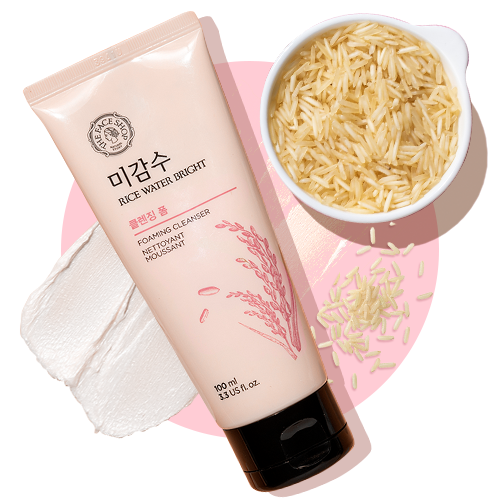
The Fix: Consider double cleansing, especially in the evenings. Start with a nourishing cleansing oil to break down SPF and grime without stripping moisture, then follow with a gentle water-based cleanser. This prepares a clean canvas for your deep moisturizing cream.
Mistake 4: Treating All "Dry" Skin the Same
Sometimes, dryness is actually a sign of aging or a specific skin type mix. As we age, collagen production dips, leading to thinner, drier skin that needs specialized care.
The Fix:
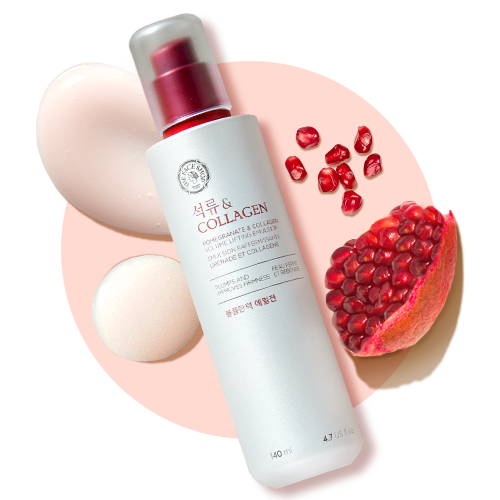
- For Mature Skin: Don't just rely on basic hydration. Opt for a Moisturiser for Ageing Skin that targets elasticity.
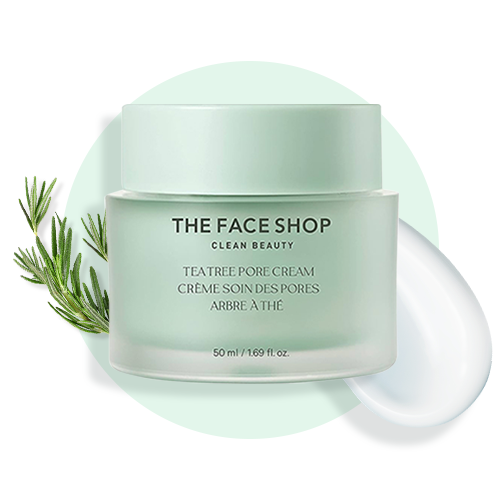
- For Combination Skin: If your T-zone is oily but your cheeks are flaky, you have combination-skin-type. You may need to zone-treat your face or find a balanced formula.
FAQ: Solving Your Dry Skin Queries
Q1: How often should I apply moisturizer for dry skin?
A: Twice a day is mandatory once in your AM routine and once in the PM. However, if you work in an air-conditioned environment, you may need a midday touch-up with a mist or a light layer of dry skin moisturizer online.
Q2: Can I use a deep moisturizing cream under sunscreen?
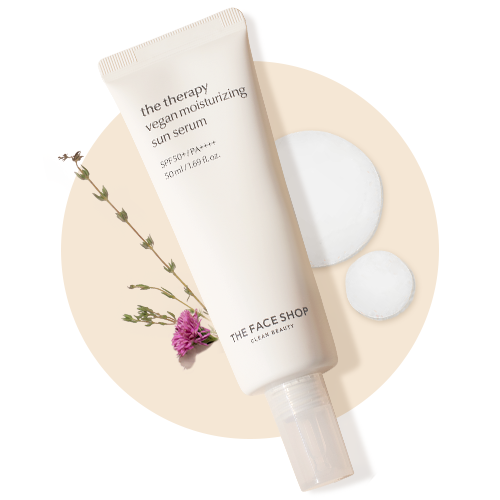
A: Yes, but let it absorb for 5 minutes before applying SPF. If you find this too heavy, look for a hydrating sunscreen. Note that finding the right sunscreen combination skin types can use without looking greasy is key; for dry skin, layering cream under SPF is usually necessary.
Q3: Why does my skin burn when I put moisturizer on?
A: If your face cream for women or moisturizer stings, your skin barrier is likely compromised (micro-tears). Stop using active ingredients (like Retinol or AHAs) and switch to a bland, fragrance-free barrier repair cream until it heals.
Conclusion
Fixing flaky skin isn't about applying more product; it is about applying the right product correctly. By switching to a dedicated hydrating face moisturizer, applying it on damp skin, and respecting your skin barrier, you can achieve that soft, supple texture regardless of the season.