

If you live in India, you know the struggle: pollution, humidity, and harsh UV rays are a daily recipe for dullness and pigmentation. Enter Vitamin C—the holy grail ingredient for brightening. But walking down the skincare aisle (or scrolling online) can be overwhelming. Should you use a vitamin c toner? A heavy cream? Or is a vitamin c serum the real MVP?
Understanding the vehicle (the texture and formulation) is just as important as the ingredient itself. In this guide, we break down the science of delivery systems to help you choose the best vitamin c for face care based on your specific skin needs.
The Battle of Formulations: What’s the Difference?
While the active ingredient remains the same, how it penetrates your skin changes drastically depending on whether it is a liquid, a viscous fluid, or a cream.
1. Vitamin C Toner: The Prep Step
Best for: Oily skin, large pores, and gentle daily maintenance.
Toners are water-based and designed to balance your skin's pH after cleansing. A vitamin c toner provides a light wash of antioxidants. It won't drastically fade old scars, but it is excellent for refreshing the skin and prepping it to absorb subsequent products.
- Pros: Lightweight, non-sticky, great for Indian summers.
- Cons: Low concentration of active ingredients; less effective for deep correction.
2. Vitamin C Serum: The Powerhouse
Best for: Deep pigmentation, anti-aging, and rapid vitamin c glowing skin results.
If you are looking to truly transform your skin, this is the format dermatologists recommend most. Serums consist of small molecules that penetrate deep into the epidermis. This is where the magic happens—neutralizing free radicals and inhibiting melanin production.
When you buy vitamin c serum, you are investing in potency. It is the most effective method for targeting specific concerns like vitamin c dark spots and sun damage.
- Pros: High concentration, deep penetration, faster results.
- Cons: Can be drying if not followed by a moisturizer.
3. Vitamin C Cream: The Multi-Tasker
Best for: Dry or sensitive skin that needs a barrier.
Creams combine the active ingredient with emollients and occlusives. A vitamin c cream works on the surface level to hydrate while brightening. It seals in moisture but may dilute the potency of the Vitamin C compared to a serum.
- Pros: Hydrating, gentle, 2-in-1 product.
- Cons: Slower results for pigmentation; can feel heavy on oily skin.
The Verdict: Which One Should You Choose?
To make it simple, think of your skin goal:
- Goal: Maintenance & Refreshing? Go for the Toner.
- Goal: Correction (Dark Spots & Glow)? You need a Serum.
- Goal: Hydration & Mild Brightening? Choose the Cream.
For the vast majority of Indian skin types dealing with hyperpigmentation, the vitamin c serum reigns supreme as the most effective format.
How to Layer Vitamin C for Maximum Glow
Even the best product fails if applied incorrectly. Here is a dermatologist-approved morning routine:
- Cleanse: Start with a gentle face wash. If your skin is dry, a hydrating vitamin E cleanser pairs beautifully with Vitamin C later on.
- Tone: Apply your toner to damp skin.
- Treat: Apply 3-4 drops of your vitamin c for skin (serum format). Pat it in; don't rub.
- Moisturize: Lock it in. If you have oily skin, an aqua moisturizer works best as it won't clog pores.
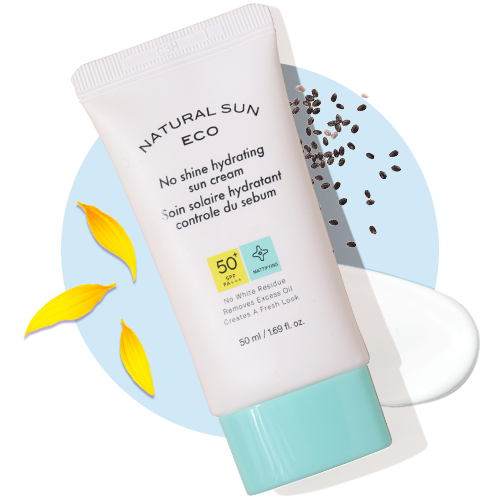
- Protect: Vitamin C creates a "shield" against pollution, but it degrades in sunlight. You MUST top it off with a robust sunscreen like the Natural Sun Eco range to prevent oxidation.
Frequently Asked Questions (FAQ)
Can I use Vitamin C serum and Vitamin C cream together?
Yes, you can layer them for an extra boost, but for most people, it is unnecessary. A potent serum followed by a regular moisturizer is usually sufficient and cost-effective.
Does Vitamin C darken the skin?
Vitamin C itself brightens the skin. However, if it oxidizes (turns brown in the bottle) or if you skip sunscreen, it can stain the skin or lead to sun sensitivity, making skin appear darker. Always store your serum in a cool, dark place.
Is Vitamin C safe for sensitive skin?
Yes, but concentration matters. Beginners should start with a lower concentration (5-10%) or use a Vitamin C cream which is generally gentler than a serum.
How long does it take to see results from Vitamin C?
For a "glow," you might see results in 1-2 weeks. For fading vitamin c dark spots, consistent use of a serum for 6-8 weeks is typically required.