
Quick Summary
Struggling with stubborn dark spots? Discover why Indian skin often resists pigmentation treatments and how repairing your skin barrier can unlock real fading results.
Many Indians invest in serums, creams, and home remedies to tackle dark spots, only to see minimal results. If you’re frustrated by stubborn pigmentation, you’re not alone. The missing piece? Your skin barrier. This guide explains why Indian skin is uniquely prone to persistent dark spots and how barrier repair is the real game-changer for visible fading.
1. The Indian Skin Dilemma: Why Dark Spots Are So Stubborn
Indian skin, rich in melanin, is genetically more prone to post-inflammatory hyperpigmentation (PIH). This means even minor pimples, insect bites, or friction can leave behind long-lasting marks. According to dermatology research, PIH can linger for months or even years if not addressed holistically. Add India’s intense sun, humidity, and pollution, and you have a recipe for persistent uneven skin tone.
- Fact: Studies show PIH is the top pigmentation concern for Indian adults, especially after acne or injury.
- Example: A small pimple on the cheek can leave a brown spot that outlasts the breakout by 6-12 months.
- Counterpoint: Many assume actives like Vitamin C or Alpha Arbutin alone will erase spots, but results plateau if the skin barrier is compromised.
2. What Is the Skin Barrier - and Why Does It Matter for Pigmentation?
Your skin barrier is the outermost layer that locks in moisture and shields against irritants. When healthy, it keeps skin resilient and supports even healing. When damaged (from harsh products, over-exfoliation, or pollution), it triggers inflammation, making pigmentation worse and slowing recovery.
- Mini-checklist: Signs of a weak barrier include dryness, sensitivity, stinging, and slow fading of marks.
- India-specific tip: Frequent use of strong soaps or scrubs, common in Indian routines, can quietly erode the barrier.
3. Hyperpigmentation Causes: Beyond Just Sun and Acne
While sun exposure and acne are well-known triggers, Indian skin faces additional challenges:
- Pollution: Urban air pollution increases free radicals, worsening pigmentation.
- Friction: Tight clothing, helmets, or frequent rubbing (like removing bangles) can cause dark patches, especially on the neck and arms.
- Traditional remedies: Lemon juice or raw turmeric, often used at home, can irritate and further damage the barrier.
Data point: In a 2022 survey, 68% of Indian women reported using home remedies for dark spots, but only 18% saw significant improvement.
4. Why Actives Alone Aren’t Enough for Fading Dark Spots
Popular actives like Vitamin C, Niacinamide, and Alpha Arbutin are proven to help fade pigmentation. However, if your skin barrier is weak, these ingredients can cause irritation or simply won’t absorb well, limiting their effectiveness. In fact, overuse of actives without barrier support can worsen sensitivity and prolong dark spots.
- Trade-off: Fast results from strong actives may come at the cost of increased dryness or redness, especially in Indian climates.
- Practical tip: Always pair actives with barrier-repairing moisturizers for best results.
5. The Science of Skin Barrier Repair: What Actually Works?
Repairing your barrier means using ingredients that restore hydration and reinforce the skin’s natural defenses. Look for:
- Ceramides: Essential for rebuilding the barrier. Products like the Ceramide & Rice Moisturizing Skincare kit deliver these in a gentle, non-greasy formula.
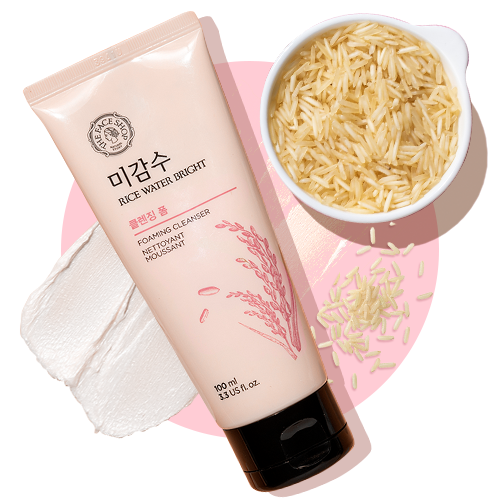
- Rice Extract: Traditional in Asian skincare, rice extract soothes and hydrates without clogging pores. The Rice Water Bright Cleansing Foam is a gentle, effective option for daily cleansing.
- Glycerin and Hyaluronic Acid: Draw moisture into the skin, reducing dryness and flaking.
India-specific value: Many barrier-repair products are available for under INR 1,000, making them accessible for most budgets.
6. Building a Barrier-Friendly Routine for Indian Skin
Here’s a simple, effective routine to support fading dark spots while strengthening your barrier:
- Gentle Cleanser: Use a mild, non-stripping cleanser like Rice Water Bright Cleansing Foam morning and night.
- Hydrating Toner/Essence: Look for formulas with rice extract or hyaluronic acid.
- Targeted Serum: Apply a Vitamin C or Niacinamide serum, but only if your skin feels comfortable - not tight or stinging.
- Barrier Moisturizer: Seal in hydration with a ceramide-rich cream, such as the Ceramide & Rice Moisturizing Skincare kit.
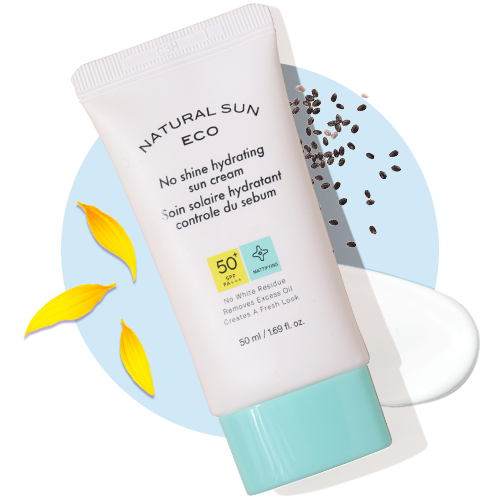
- Sun Protection: Never skip sunscreen, even indoors. Indian UV levels are high year-round.
Pro tip: If your skin feels irritated, pause actives and focus on barrier repair for 1-2 weeks before reintroducing them.
7. Common Mistakes That Sabotage Pigmentation Fading in India
- Over-exfoliating: Using scrubs or peels more than twice a week can worsen dark spots.
- Skipping moisturizer: Even oily skin needs hydration to heal pigmentation.
- Ignoring sun protection: UV exposure, even through windows, can reactivate pigmentation.
- Switching products too quickly: Give each new routine at least 8-12 weeks to show results.
Counterintuitive fact: Many believe oily skin doesn’t need moisturizer, but skipping it can slow down dark spot fading.
8. How to Choose Barrier-Repair Products: What to Look for (and Avoid)
When shopping for barrier-repair skincare in India, consider:
- Ingredients to seek: Ceramides, rice extract, panthenol, glycerin.
- Ingredients to avoid: Harsh alcohols, strong fragrances, and abrasive scrubs.
- Value tip: Kits like the Ceramide & Rice Moisturizing Skincare kit offer bundled savings (often under INR 1,500) and simplify your routine.
Check for products tested on Indian skin or formulated for humid climates for best compatibility.
9. When to See a Dermatologist: Knowing Your Limits
While over-the-counter routines help most, some pigmentation needs professional care. See a dermatologist if:
- Dark spots are spreading or changing shape
- You experience itching, pain, or bleeding
- No improvement after 3-4 months of consistent barrier-focused care
Transparency: Not all pigmentation can be fully removed with skincare alone, especially melasma or genetic conditions. Professional treatments may be needed.
10. Realistic Expectations: How Long Does Fading Take?
With a barrier-supportive routine, most Indian skin sees visible fading of dark spots in 8-16 weeks. Deeper marks may take longer. Consistency, patience, and sun protection are key.
-
Checklist for success:
- Gentle cleansing
- Daily moisturizer
- Targeted actives (when tolerated)
- Religious sun protection
Remember, progress may be gradual but is achievable with the right approach.
Conclusion: Unlocking Brighter, Healthier Skin in India
Fading dark spots on Indian skin isn’t just about using the latest actives. By prioritizing your skin barrier, you create the foundation for real, lasting results. Choose gentle, barrier-repairing products, be patient, and celebrate every small improvement. For curated options, explore The Face Shop’s gentle cleansers and barrier-repair kits designed for Indian skin needs.
FAQ
Why do dark spots last longer on Indian skin?
Indian skin has higher melanin, making it more prone to post-inflammatory hyperpigmentation (PIH). Environmental factors like sun and pollution further slow fading.
Can I use strong actives if my skin barrier is damaged?
It's best to pause actives and focus on barrier repair first. Using actives on a compromised barrier can cause irritation and worsen pigmentation.
How do I know if my skin barrier is weak?
Signs include dryness, sensitivity, stinging, and slow healing of marks. If your skin feels tight or burns after applying products, your barrier may be compromised.
Are barrier-repair products expensive in India?
No. Many effective options, like ceramide creams and rice-based cleansers, are available for under INR 1,000. Kits offer even better value.
How long before I see results from a barrier-focused routine?
Most people notice improvement in 8-16 weeks. Deeper marks may take longer. Consistency and sun protection are crucial for best results.