
Quick Summary
Ditch the heavy winter creams! Learn how to choose the perfect lightweight moisturizer for humid Indian weather and keep your skin healthy and glowing.
Is Your Winter Moisturizer Suffocating Your Skin?
As the seasons change in India, so should your skincare routine. That rich, heavy moisturizer that saved your skin during the dry winter months might now be doing more harm than good in the humid weather. Let's explore why and how to choose the right moisturizer for humid weather.
Why Your Winter Cream Isn't Working in the Indian Humidity
Think of your skin like a sponge. In winter, it's dry and readily absorbs moisture. But during the monsoon or a hot, humid summer day in Chennai, the air is already saturated with moisture. Applying a thick, occlusive cream can trap sweat and oil, leading to:
- Clogged pores: Increased sebum production mixed with heavy creams can cause breakouts.
- Greasy skin: Your skin feels slick and shiny all day.
- Milia: Tiny white bumps that appear when keratin gets trapped under the skin's surface.
- Increased risk of fungal infections: Humid environments are breeding grounds for fungi, and occlusive creams can exacerbate this.
In India, where humidity levels can soar to 80-90% in coastal cities like Mumbai and Kolkata, using the wrong moisturizer can be a recipe for disaster. A study published in the National Center for Biotechnology Information (NCBI) highlights the importance of adapting skincare routines to environmental factors, including humidity.
Decoding Lightweight Moisturizers: What to Look For
The key to finding the perfect lightweight moisturizer is understanding the ingredients and formulations that work best in humid conditions. Here's what to look for:
- Humectants: These ingredients draw moisture from the air into your skin. Look for hyaluronic acid, glycerin, and aloe vera.
- Emollients: These help to soften and smooth the skin. Choose lighter emollients like squalane or jojoba oil.
- Non-comedogenic formulas: These won't clog your pores.
- Gel or lotion textures: These are generally lighter and absorb more quickly than creams.
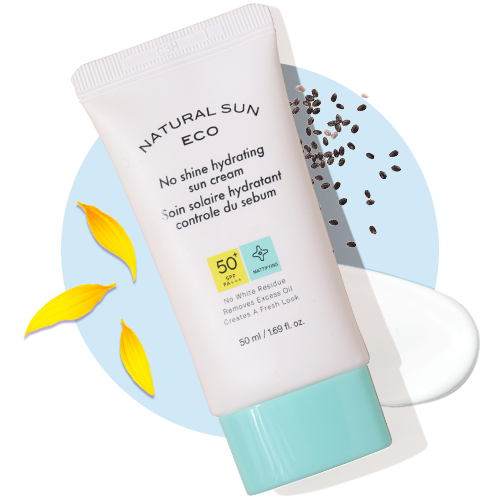
Pro-Tip: Consider a moisturizer with added SPF. Sun protection is crucial year-round, even on cloudy days. Many lightweight moisturizers now come with SPF 30 or higher.
Ingredients That Thrive in Humid Indian Climates
Certain ingredients are particularly well-suited for the Indian climate. These ingredients not only hydrate but also address common concerns like oil control and inflammation:
- Aloe Vera: Soothes and hydrates without feeling heavy. Many Indians grow aloe vera at home for its medicinal properties.
- Green Tea Extract: Rich in antioxidants and helps control sebum production.
- Niacinamide: Minimizes pores and reduces inflammation.
- Hyaluronic Acid: A powerful humectant that attracts and retains moisture.
The Face Shop offers a range of products formulated with these ingredients, including the Ceramide & Rice Moisturizing Emulsion 70ml, which provides lightweight hydration and helps to strengthen the skin barrier.
Matching Moisturizers to Your Skin Type in Humid Weather
Your skin type plays a crucial role in choosing the right moisturizer:
- Oily Skin: Opt for gel-based or water-based moisturizers with oil-controlling ingredients like salicylic acid or tea tree oil.
- Dry Skin: Look for a lightweight lotion with hyaluronic acid and ceramides to replenish moisture without feeling heavy.
- Combination Skin: Choose a balanced formula that hydrates dry areas without making oily areas greasy.
- Sensitive Skin: Select fragrance-free and hypoallergenic moisturizers with soothing ingredients like aloe vera and chamomile.
Example: If you have oily skin, a lightweight gel moisturizer with green tea extract, costing around INR 500-800, can be a great option. For dry skin, a lotion with hyaluronic acid and ceramides, priced between INR 700-1200, can provide adequate hydration.
Application Tips for Maximum Hydration in Humidity
How you apply your moisturizer is just as important as the product itself:
- Apply on damp skin: This helps to lock in moisture.
- Use a small amount: A pea-sized amount is often enough.
- Pat, don't rub: Patting helps the moisturizer absorb better.
- Don't forget your neck and décolletage: These areas are often neglected but need hydration too.
India-Specific Tip: After cleansing, use a hydrating toner or essence before applying your moisturizer. This adds an extra layer of hydration and helps to balance your skin's pH.
Beyond Moisturizer: A Complete Humid Weather Skincare Routine
Moisturizer is just one piece of the puzzle. A complete skincare routine for humid weather should include:
- Gentle Cleanser: Remove excess oil and dirt without stripping your skin. Consider exploring the Best Korean Cleansers for gentle yet effective options.
- Exfoliant: Use a gentle exfoliant 1-2 times a week to remove dead skin cells and prevent clogged pores.
- Serum: Target specific concerns like hyperpigmentation or acne with a lightweight serum.
- Sunscreen: Protect your skin from harmful UV rays with a broad-spectrum sunscreen.
Debunking Myths About Moisturizing in Humid Weather
There are many misconceptions about moisturizing in humid weather. Let's debunk a few:
- Myth: Oily skin doesn't need moisturizer. Fact: Even oily skin needs hydration. Skipping moisturizer can lead to dehydration, causing your skin to produce even more oil.
- Myth: All moisturizers are the same. Fact: Different moisturizers have different formulations and ingredients. Choose one that's specifically designed for your skin type and the climate.
- Myth: You only need moisturizer at night. Fact: Moisturizing both morning and night is ideal for maintaining healthy, hydrated skin.
Making the Switch: A Step-by-Step Guide
Ready to transition to a lighter moisturizer? Here's a step-by-step guide:
- Assess your skin: Is it feeling greasy, congested, or irritated?
- Research ingredients: Look for humectants, lightweight emollients, and non-comedogenic formulas.
- Read reviews: See what other people with similar skin types are saying.
- Start with a sample: If possible, try a sample before committing to a full-size product.
- Introduce gradually: Start by using the new moisturizer once a day and gradually increase frequency as needed.
By following these tips, you can find the perfect moisturizer for humid weather and keep your skin healthy and glowing all year round, even during the hottest Indian summers.
FAQ
Can I skip moisturizer if I have oily skin in humid weather?
No, even oily skin needs hydration. Skipping moisturizer can lead to dehydration, causing your skin to produce even more oil. Choose a lightweight, gel-based moisturizer.
What ingredients should I look for in a moisturizer for humid weather?
Look for humectants like hyaluronic acid and glycerin, as well as lightweight emollients like squalane or jojoba oil. Non-comedogenic formulas are also essential.
How often should I exfoliate my skin in humid weather?
Exfoliate 1-2 times a week to remove dead skin cells and prevent clogged pores. Use a gentle exfoliant to avoid irritation.
Is SPF necessary even on cloudy days in India?
Yes, SPF is crucial year-round, even on cloudy days. UV rays can penetrate clouds and damage your skin. Choose a broad-spectrum sunscreen with SPF 30 or higher.
What's the best way to apply moisturizer in humid weather?
Apply moisturizer on damp skin after cleansing. Use a small amount and pat it into your skin instead of rubbing. Don't forget your neck and décolletage.